

In the late 1980s, a Hong Kong actor in his late twenties refused to re-sign a binding five-year exclusive contract with TVB — the dominant television network that had made him famous. TVB put him in what Hong Kong insiders called "the freezer": barred from new work at the station that still owned so much of the local entertainment pipeline. For an actor still building his film career, it was a professional cliff edge.
He walked off the cliff anyway. That stubborn young man is now a Hong Kong entertainer who has headlined over 150 films, sold tens of millions of records across Asia, and still packs stadiums for solo concerts into his sixties. Andy Lau — 劉德華, Lau4 Dak1 waa4 — is the Cantonese superstar nobody can replace.
The Tai Po farm kid who studied English at a village school
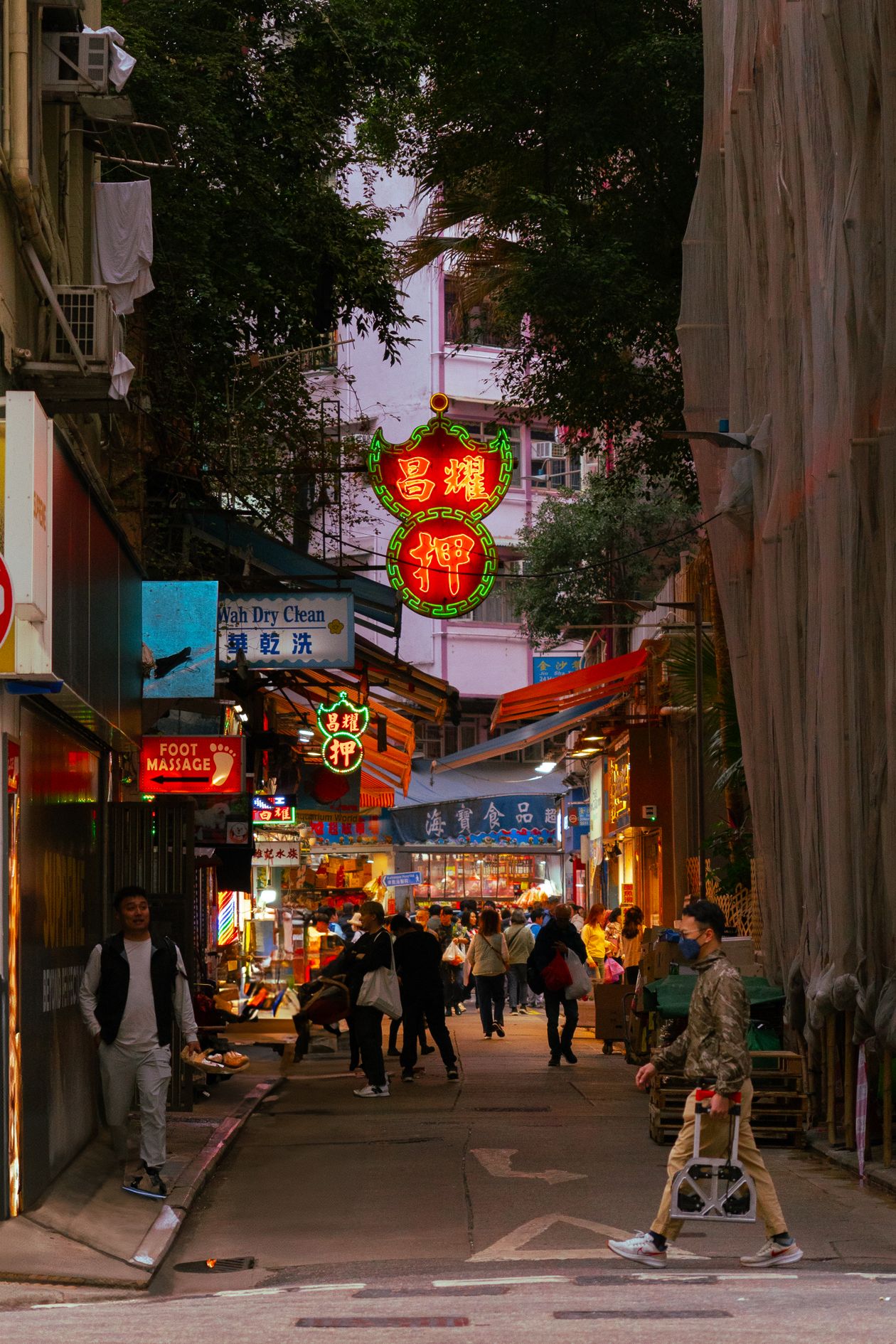
Andy Lau was born on 27 September 1961 in Tai Po, in what was then still rural British Hong Kong. His family raised pigs and chickens on a smallholding and ran a tiny shop in the village — the kind of childhood that is almost unimaginable in the Hong Kong of today's skyscrapers. He walked to a village school, spoke Cantonese at home, and learned English the slow way kids of his generation did: by watching Hollywood films and copying the sounds back.
In 1980 he enrolled in TVB's 10th actor training class — the same production-line program that would produce most of the Hong Kong faces of the 1980s. He graduated in 1981, signed with the station, and in 1983 he was cast as Yang Guo in TVB's adaptation of The Return of the Condor Heroes. That role made him a household name across every Cantonese-speaking city on earth. He was 22. He was also lumped in with the "Five Tiger Generals" of TVB — the five breakout young actors the station pushed as its new generation of leading men. If you have Cantonese parents, they can probably still name all five.
Four surprising things about Andy Lau that even his fans forget
🎬 He walked away from TVB and the "freezer" didn't finish him
After refusing TVB's five-year exclusive contract in the late 1980s, Lau was put in what Hong Kong insiders still call "the freezer" — a quiet freeze-out from the station that had made him famous. Rather than fold, he leaned into film. Within two years he had leading roles in Wong Kar-wai's debut As Tears Go By (1988) and the cult romance A Moment of Romance (1990), and his music career was climbing in parallel. The freeze turned out to be, in the words of one critic, "a blessing in disguise."
💔 He kept his marriage secret for over 20 years
Lau quietly married his longtime partner Carol Chu Lai-sin in Las Vegas in 2008 and did not confirm the marriage to the public until 2009. His daughter Hanna was born in 2012 — Lau was 50 and his fans had been following his career for three decades without knowing the woman next to him. Hong Kong tabloids spent years tailing Carol; she never gave an interview, and he refused to say her name on air until he had to.
🏆 He won his first Hong Kong Best Actor at age 38 — and had to wait
By the late 1990s Lau had been in over 100 films and had never won a Best Actor award at the Hong Kong Film Awards. Critics said he was too handsome and too commercial; auteurs cast him as window dressing. Then in 2000 Johnnie To cast him in Running Out of Time — a quiet, haunted role as a dying thief playing cat-and-mouse with Lau Ching-wan's cop. Lau finally won. He went on to win Best Actor at the Golden Horse Awards for Infernal Affairs III (2004), the film that proved to the world Hong Kong cinema could out-Hollywood Hollywood.
💰 He produced films out of his own pocket when Hong Kong cinema was dying
In the early 2000s, after the Asian financial crisis gutted Hong Kong's film industry, Lau launched the Focus: First Cuts initiative to fund six debut features by young Chinese-language directors. He reportedly put his own money in when investors wouldn't. One of those films, Crazy Stone (2006), launched Ning Hao into one of mainland China's most bankable directors. Hong Kong critics still argue about the state of the industry — but Lau funded people when few others did.
For anyone who grew up watching the Four Heavenly Kings on TVB after dinner, Lau's work ethic is a kind of cultural inheritance. If you ever worked past your contract hours and shrugged — that stubborn Cantonese grind is the 硬頸 Hard Neck sweatshirt energy we wear on our chests.
The Four Heavenly Kings and the invention of the Cantopop idol
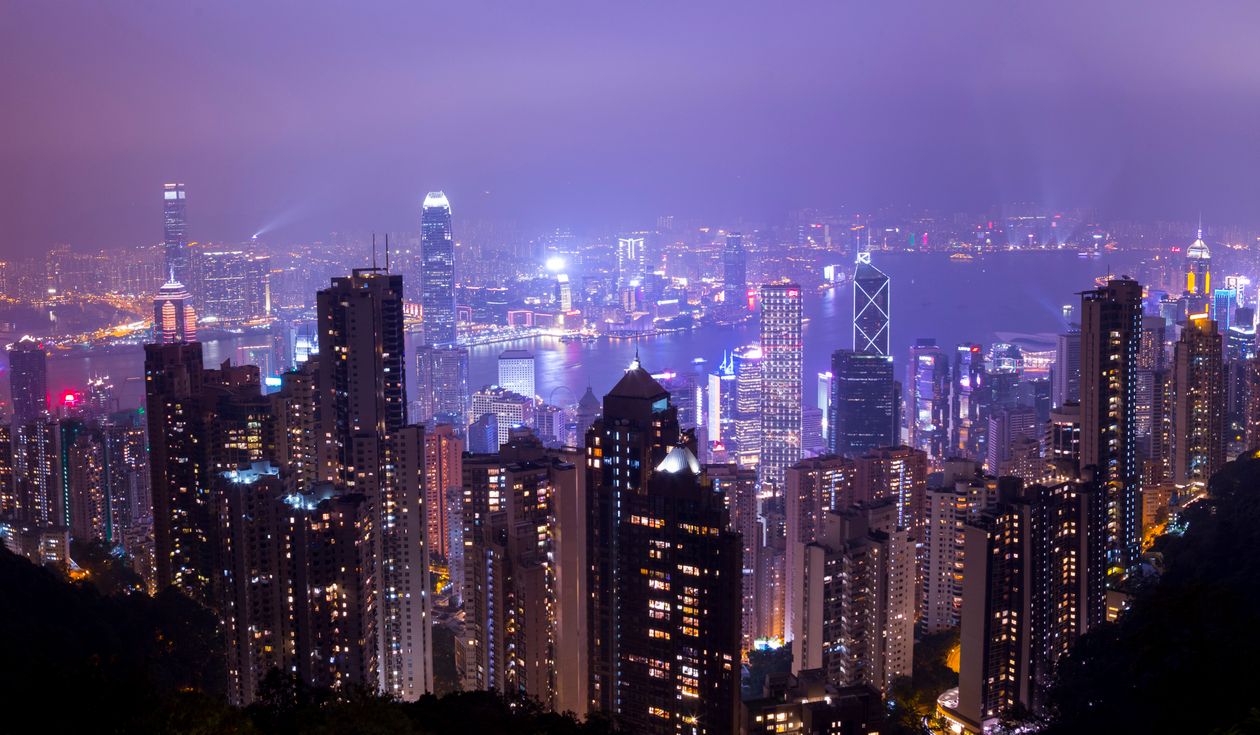
In 1992 a Hong Kong magazine journalist bundled four male Cantopop singers under a single marketing banner — 四大天王, the Four Heavenly Kings. Lau, Jacky Cheung, Aaron Kwok, and Leon Lai. The term stuck. For the next decade they dominated every Cantopop chart, every advertising board, every Lunar New Year TV special. Lau was arguably the most prolific of the four — songs like "The Days We Spent Together" (1991), "Ice Rain" (1993) and "Forget Love Potion" (1994) were everywhere on the radio, in cassette walkmans across the diaspora, and on karaoke screens from Vancouver to Sydney.
The Heavenly Kings weren't just singers — they were a template. Every Cantopop idol who came after them, from Nicholas Tse to the Mirror boys of today, is working inside the mould they built. For a parallel story, read our piece on Jacky Cheung, the Cathay Pacific reservation officer who became the God of Song.
A Cantonese phrase Andy Lau made unforgettable
鬼馬
gwai2 maa5 — Jyutping romanisation
Meaning: Mischievous, clever, playful in a quick-witted way. Literally "ghost horse".
Explanation: One of the Cantonese words most used to describe Lau's on-screen energy — the smirk, the quick comeback, the character who always has a plan. Any Hong Kong aunty describing a lively kid is likely to say 咁鬼馬. It is a word of warm affection.
If you've ever been called 鬼馬 by a grandparent, you've been complimented — wear it on your sleeve with our 鬼馬 Ghost Horse tee or 鬼馬 Ghost Horse hoodie.
Why he still matters to the Cantonese diaspora
Andy Lau has been in the industry for 45 years. He has acted alongside everyone from Chow Yun-fat to Zhang Ziyi to Takeshi Kaneshiro. He has released over 120 albums. He has donated to earthquake relief, Paralympic athletes, youth charities, and film industry pensions. He has reportedly never missed a scheduled concert, even when he was reported injured.
But the real reason he still matters, in Vancouver and in London and in Flushing Queens, is that for an entire generation of Cantonese-speaking kids he was the proof that Hong Kong could make its own stars — that the local language, the local accent, the local attitude could be world-class. We did not need to copy anyone. We had Andy Lau.
For more on the giants who built that era, read our profile of Leslie Cheung or Anita Mui, the Mong Kok kid who became Hong Kong's Daughter.
📖 Related Articles
👉 Shop the Best Seller collection
Modern streetwear for the global Cantonese community.