

Cantonese Dictionary Vol. 1: Street Slang & Everyday Expressions
Hong Kong streets pulse with energy, and the language reflects that rawness. This first edition of our Cantonese Dictionary series focuses on authentic street slang and colloquial expressions you'll hear in dai pai dong stalls, minibus conversations, and neighborhood markets across Hong Kong and the diaspora. These words carry the soul of Cantonese culture—quick, witty, and deeply connected to daily life.
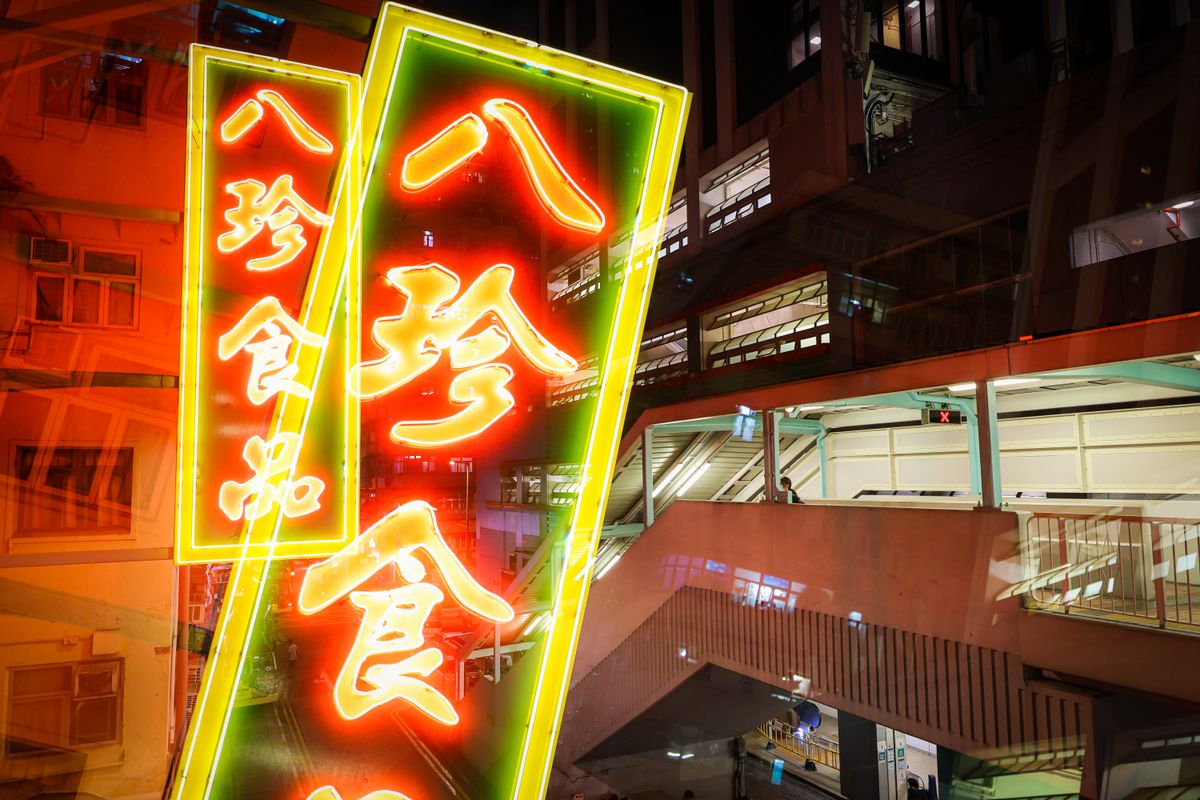
Essential Street Slang for Cantonese Learners
These words appear in casual conversation, social media, and everyday interactions across the Cantonese-speaking diaspora. Learning them helps you connect authentically with Cantonese culture, whether you're in Hong Kong, Vancouver, San Francisco, or Sydney.
1. 冇
mou5 — Jyutping romanisation
Meaning: To not have; to not exist; without
Explanation: The colloquial negation verb in Cantonese, far more common in spoken language than the formal 無 (mou4). You'll hear it constantly in everyday speech. It expresses the absence or lack of something, and is essential for natural conversational Cantonese.
2. 靠杯
kao3 pui3 — Jyutping romanisation
Meaning: To complain; to grumble; to moan about something
Explanation: A quintessential Hong Kong expression that captures the humor and exasperation of daily life. Cantonese speakers use this word constantly and affectionately—it's as much about venting frustration as it is about bonding with others over shared struggles. The term is distinctly colloquial and would rarely appear in formal writing.
3. 靠邊
kao3 bin1 — Jyutping romanisation
Meaning: Get lost; go away; scram; move to the side
Explanation: A cheeky, dismissive phrase with attitude. It literally means "go to the side" but carries undertones of annoyance or humor depending on tone and context. In Hong Kong minibuses or crowded dai pai dong stalls, you'll hear vendors say this when they need space or when locals are joking around with each other.
4. 叉電
caa1 din6 — Jyutping romanisation
Meaning: To charge (a battery or device)
Explanation: A Hong Kong-specific slang term born from the digital age. 叉 (caa1) refers to the fork-like shape of a charging plug, and 電 (din6) means electricity. This word is widely used across all Cantonese communities and shows how the language adapts to modern life. You won't find this in textbooks—it's pure street vernacular.
5. 餐廳
caan1 ting1 — Jyutping romanisation
Meaning: Restaurant; dining establishment
Explanation: While this seems straightforward, 餐廳 is the formal Cantonese term for restaurant. In street conversations, you might hear people say 食樔, 大排樔, or 茶樓—different words reflecting the type and atmosphere of dining. Understanding these distinctions helps you grasp how Cantonese culture values different eating spaces.
Mastering these five core words gives you a foundation in authentic street Cantonese. Each word reflects the pace, humor, and personality of Cantonese culture. As you continue learning, pay attention to when and how native speakers use these words—tone, context, and intention matter as much as the words themselves.
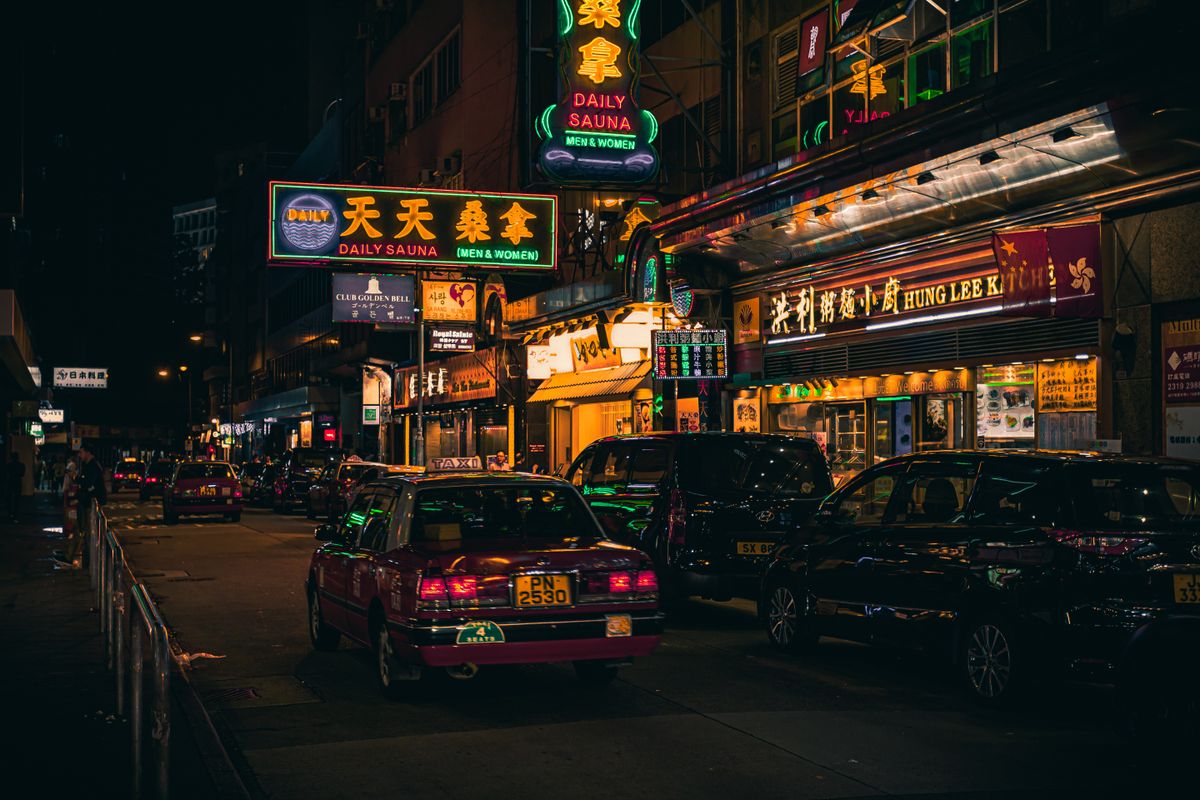
Why Street Slang Matters to Your Learning Journey
If you only learn textbook Cantonese, you'll understand formal conversations but miss the soul of the language. Street slang is where Cantonese culture truly breathes. It's where you'll find humor, cultural pride, and genuine connection with the diaspora community. Whether you're visiting Hong Kong, connecting with family members, or building bridges with the global Cantonese community, these words matter.
📖 Related Articles
👉 Shop Cantonese Guy — Modern Streetwear for the Global Cantonese Community