

Whether you're walking through the bustling streets of Hong Kong or connecting with Cantonese speakers in diaspora communities, mastering street slang is the key to sounding like a true local. These everyday words capture the irreverent humor, warmth, and attitude that make Cantonese culture unmistakable. Today, we're diving into 15 essential street slang words that Cantonese speakers use constantly—words you won't find in your textbook.
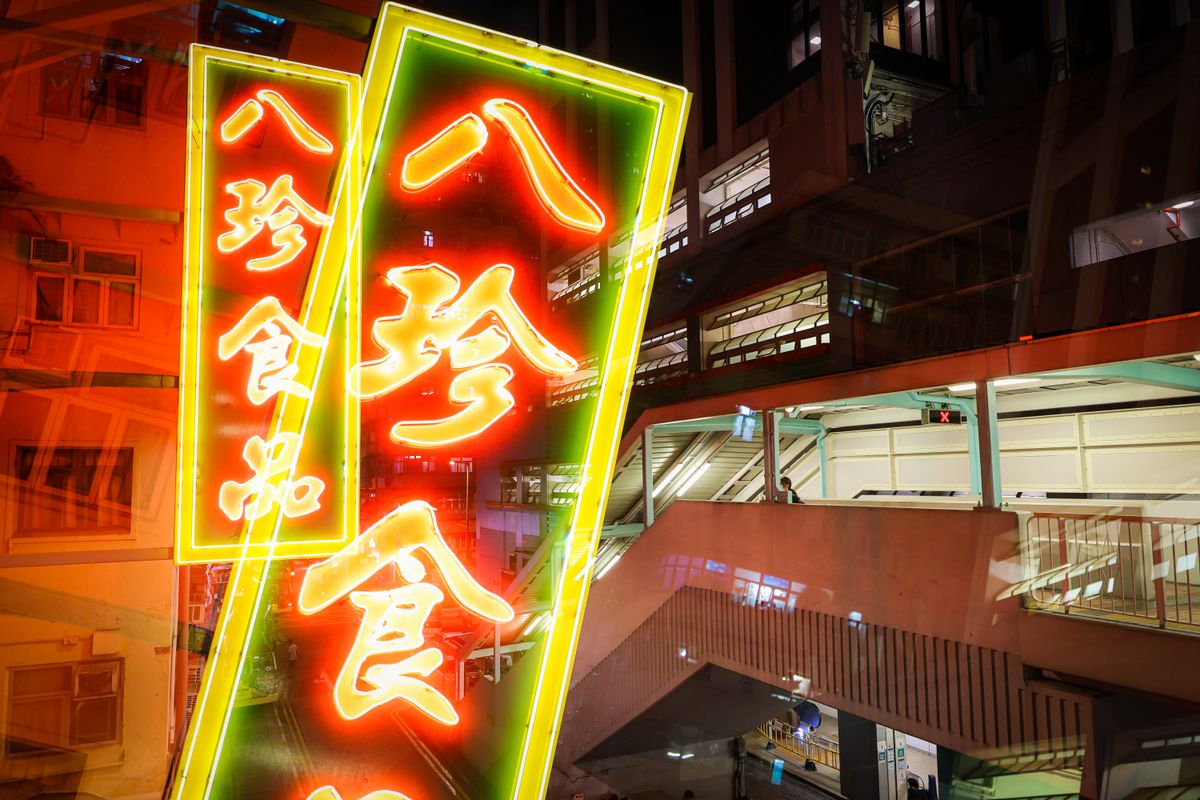
The Street Language of Hong Kong
Cantonese street slang evolves constantly, shaped by Hong Kong's fast-paced culture and the city's blend of traditional and modern influences. These words are the heartbeat of everyday conversation—used in markets, on MTR trains, in dim sum restaurants, and on street corners. Learning them isn't just about vocabulary; it's about understanding the Cantonese spirit of directness, humor, and authenticity.
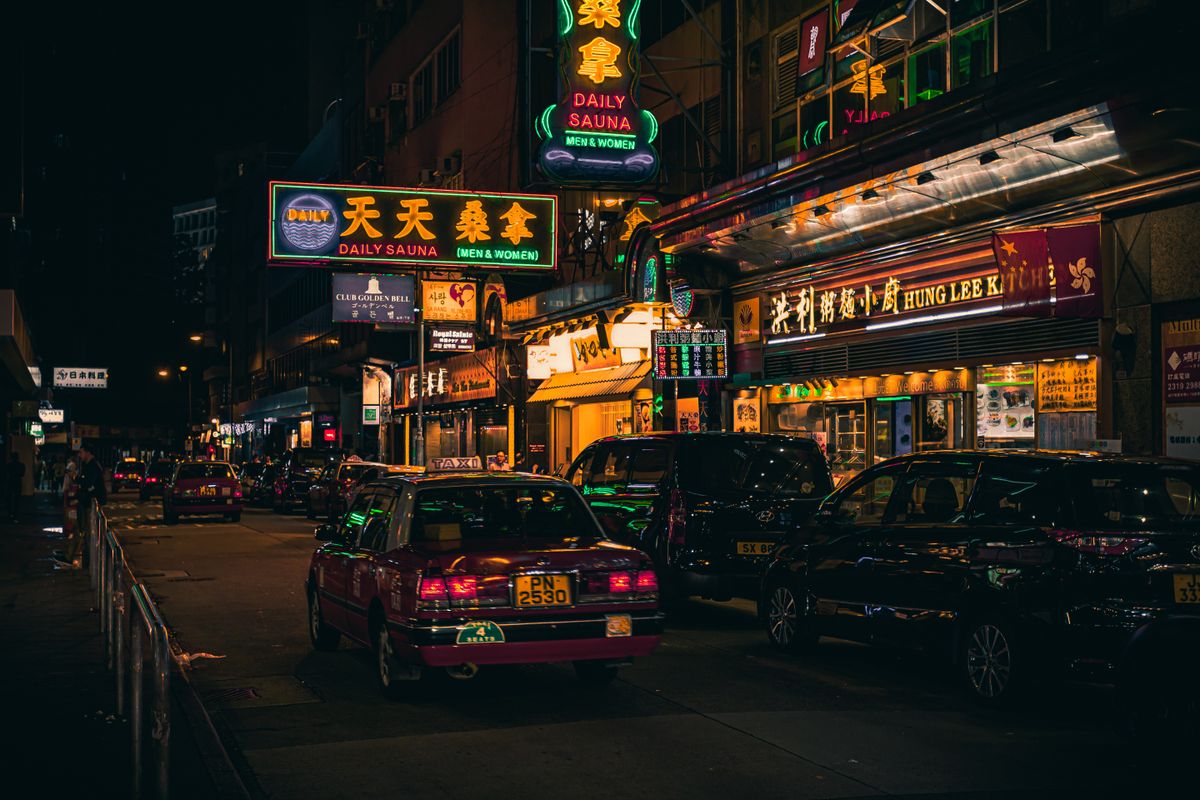
15 Must-Know Cantonese Street Slang Words
1. 靚
ling2 — Jyutping romanisation
Meaning: Beautiful, attractive, good-looking, or excellent.
Explanation: This is one of the most versatile Cantonese adjectives. You can use it to describe anything beautiful—a person, outfit, meal, or even a plan. It carries positive energy and is used casually in everyday speech throughout Hong Kong and Cantonese communities.
2. 嗲
daa3 — Jyutping romanisation
Meaning: Posh, precious, affectedly cute, or prissy.
Explanation: This word often carries a teasing undertone. It describes someone or something overly refined, pampered, or acting precious. Cantonese speakers use it with humor—sometimes affectionate, sometimes mocking. It's a cultural flavor unique to Cantonese that doesn't translate cleanly into English.
3. 鬼佬
gwai2 lou2 — Jyutping romanisation
Meaning: Foreigner, typically referring to a Caucasian person (literally "ghost man").
Explanation: This term originates from historical perspectives where foreigners seemed "ghostly" or unfamiliar. It's commonly used descriptively in Hong Kong without inherent disrespect, though context matters. Understanding its cultural history helps you recognize it in native speech without offense.
4. 掂
dim2 — Jyutping romanisation
Meaning: Great, satisfactory, settled, or balanced (in a situation).
Explanation: This word expresses satisfaction or approval. It can mean something is done well, a deal is sealed, or a situation is perfect. It's positive and practical—very Cantonese in its focus on efficiency and contentment.
5. 冇
mou5 — Jyutping romanisation
Meaning: Don't have, not, or lack (negation).
Explanation: This is the colloquial Cantonese negation, replacing the formal "沒有" (mou5 jau5). It's used constantly in everyday speech and marks native fluency. Understanding when to use "冇" instead of "唔" (m4) is crucial for natural speech.
6. 搞掂
gaau2 dim2 — Jyutping romanisation
Meaning: To fix, solve, or settle something.
Explanation: Combine "搞" (to do/to arrange) with "掂" (settled) and you get this practical verb. It's solution-focused language, reflecting the Cantonese emphasis on getting things done efficiently.
More Essential Street Slang (Quick Reference)
Beyond the six above, keep an ear out for these other constantly-used words: 砌麻將 (cai3 ma4 zoeng2)—play mahjong; 歎茶 (tan2 ca4)—to have dim sum; 靴佬 (hoe3 lou2)—cheap/shabby person; 白痴 (baak6 ci3)—stupid person; 大件事 (daai6 gin6 si5)—big problem; 筍嘢 (sun2 je5)—cheap/bargain; and 衰人 (seoi1 jan4)—loser/pathetic person.
Why Street Slang Matters for Your Cantonese Journey
Learning street slang isn't frivolous—it's essential cultural immersion. These words reflect how Cantonese people actually speak, think, and connect. When you use them naturally, you're not just learning a language; you're honoring a culture and joining a community conversation that spans continents from Hong Kong to Vancouver, San Francisco, London, and Sydney.
📖 Related Articles
👉 Shop Cantonese Guy — Modern Streetwear for the Global Cantonese Community