

Master Everyday Cantonese: Must-Know Street Slang & Cool Expressions
Want to sound like a true Hong Konger? Master these iconic Cantonese words that locals use every single day. From dismissing bad vibes to complimenting style, these slang terms capture the spirit of Cantonese street culture—the attitude, the humor, the realness.
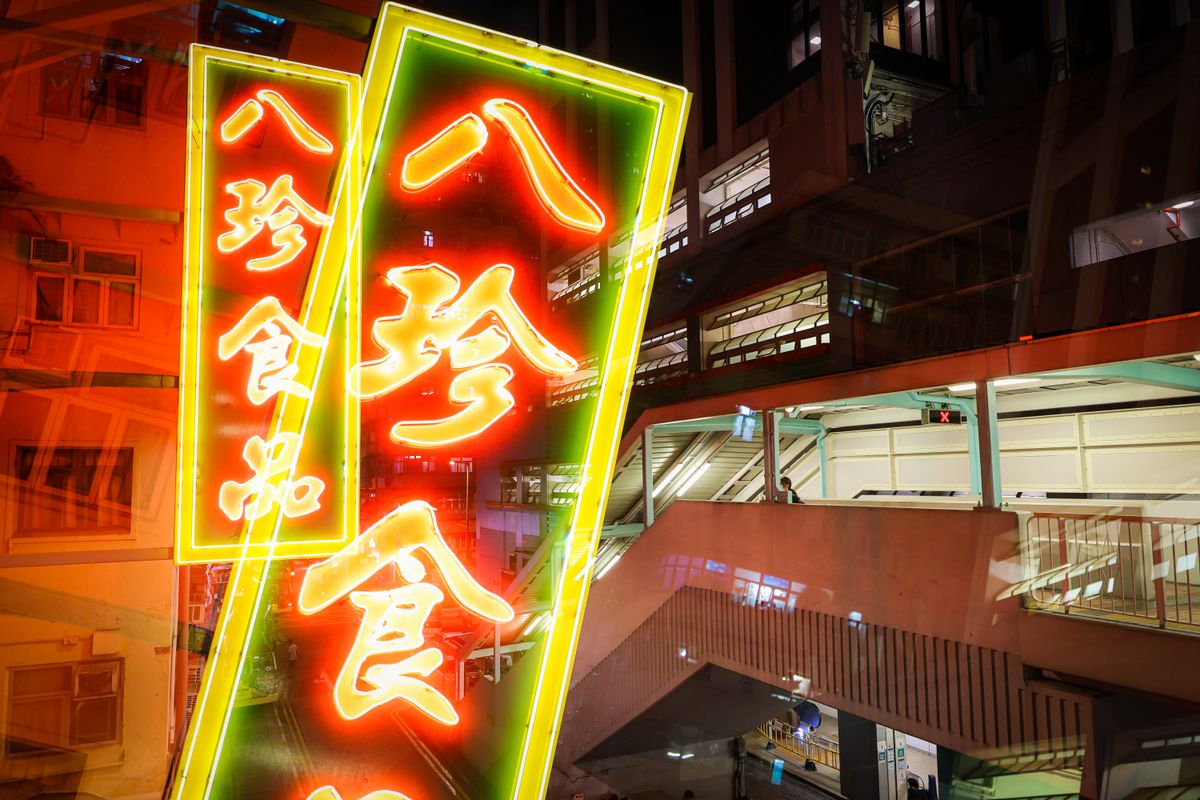
Word 1: 冇 (Mou5) — Don't Have / Lack
1. 冇
mou5 — Jyutping romanisation
Meaning: To not have; to lack; to be without
Explanation: This is the core Cantonese way to express "not having" something. Unlike Mandarin's 没有 (méiyǒu), Cantonese specifically uses 冇 (mou5) with 有 (jau5) as its natural opposite. You'll hear this word constantly in daily conversation.
Word 2: 靚 (Leng3) — Beautiful / Pretty
2. 靚
leng3 — Jyutping romanisation
Meaning: Beautiful, pretty, nice, attractive
Explanation: The ultimate Cantonese compliment word. You can use 靚 to describe anything aesthetically pleasing—a person's looks, an outfit, a meal, even a design. It's versatile, it's real, and it's everywhere in Hong Kong street talk.
Word 3: 唔 (M4) — Not / Negative Particle
3. 唔
m4 — Jyutping romanisation
Meaning: Not; do not (general negation particle)
Explanation: The most common way to say "no" or "not" in Cantonese. You place 唔 before the verb to negate it. It's distinct from 冇 (which negates "having") and from 未 (which means "not yet"). Once you master 唔, you can form negative sentences like a native speaker.
Word 4: 撳 (Ap3) — To Press / Push Down
4. 撳
ap3 — Jyutping romanisation
Meaning: To press, push down, or click
Explanation: A onomatopoetic verb that captures the action of pressing something forcefully. In modern Hong Kong, young people use 撳 for clicking buttons, pressing doorbells, or pushing elevator buttons. It's more specific and vivid than generic verbs.
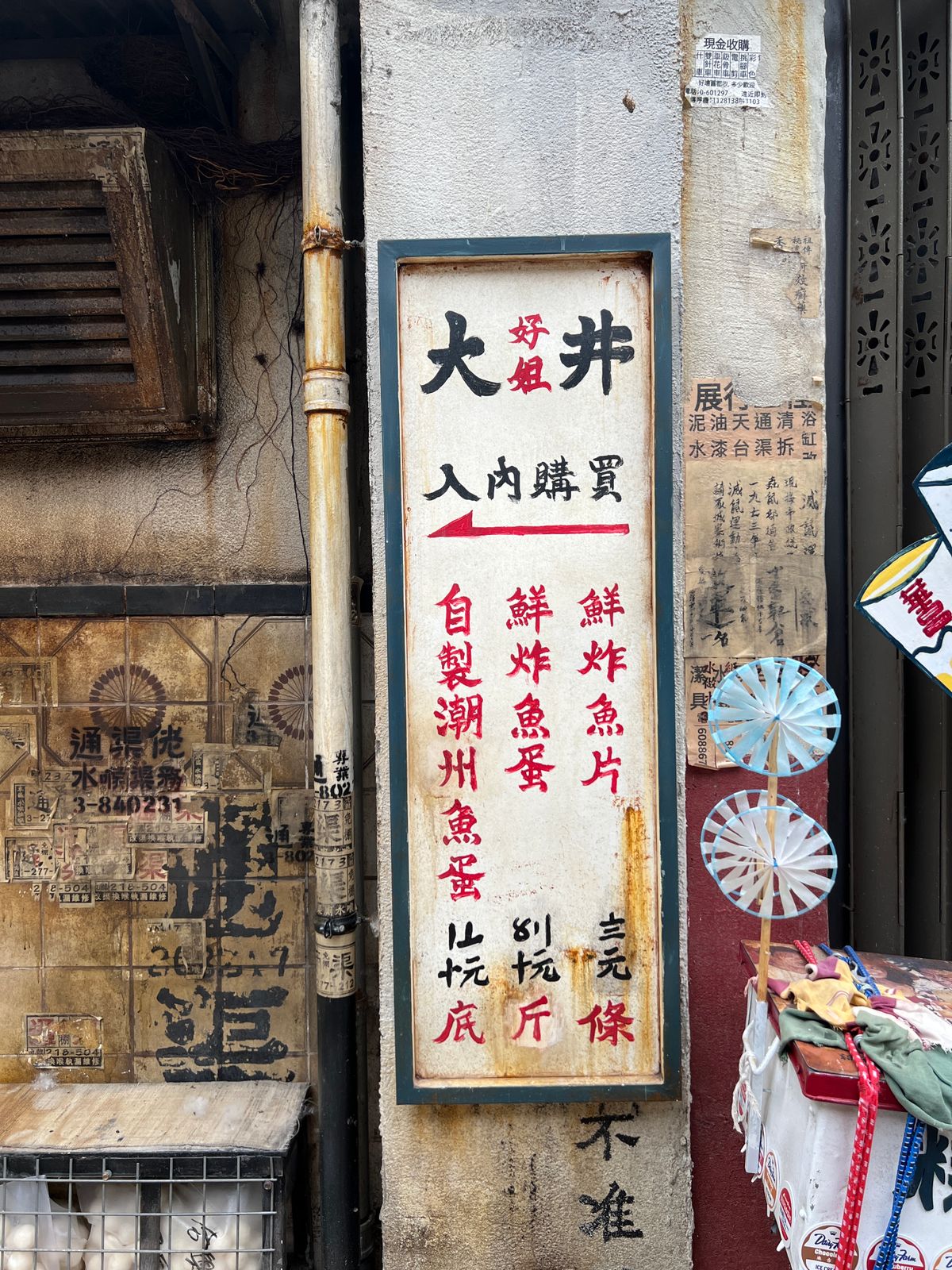
Why These Words Matter
These four words are the backbone of casual Cantonese. You'll hear them in markets, on the MTR, in restaurants, and everywhere young Cantonese speakers gather. Mastering them isn't just about communication—it's about understanding the pulse of Hong Kong street culture.
Cantonese is raw, direct, and unapologetically expressive. These words embody that spirit. Start using them, and you'll instantly sound more authentic to anyone from Hong Kong, Macau, or the Cantonese diaspora.
📖 Keep Learning Cantonese
Next up: family terms, food words, and expressions that have no English equivalent. Follow along for more deep dives into authentic Cantonese street slang.
👉 Shop Cantonese Guy — Modern Streetwear for the Global Cantonese Community