

In Cantonese, family isn't just a category — it's a whole vocabulary. Whether you call your dad lou5 dau6 or your best friend a hing1 dai6, the words you choose tell people exactly where they sit in your world. Volume 6 of the Cantonese Dictionary walks you through 12 words for family, romance and chosen family — the language of the people you love.
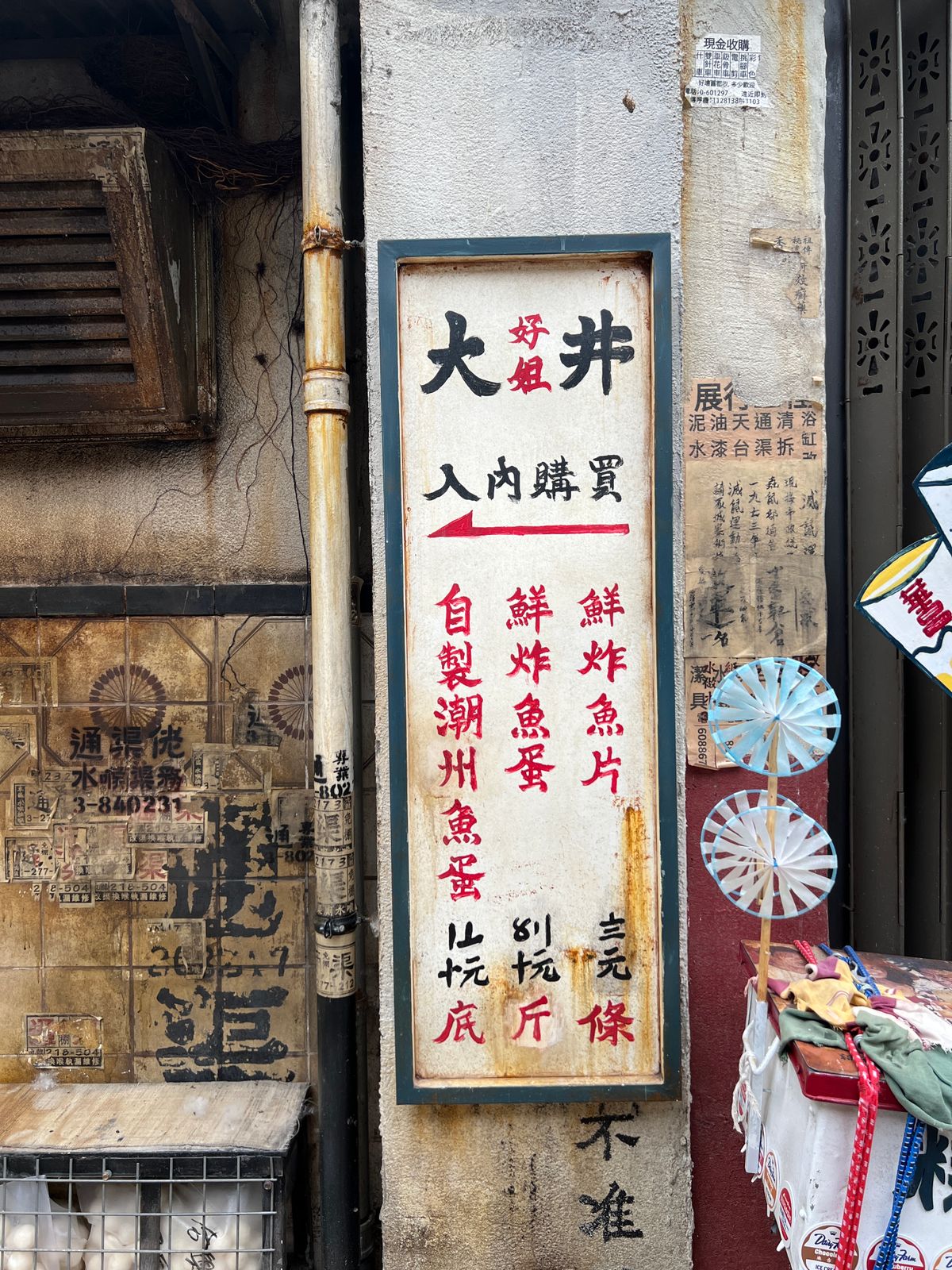
Family words that don't survive translation
English lumps every sibling under "brother" and "sister," but Cantonese is precise: older sister, younger brother, paternal grandmother, maternal grandmother — each one has its own word, and using the wrong one instantly outs you as a beginner. If you've been reading our first volume of the Cantonese Dictionary, this one goes deeper into the people closest to you.
1. 老豆
lou5 dau6 — Jyutping romanisation
Meaning: Dad (colloquial, affectionate)
Explanation: The everyday Cantonese word for your father — warmer than the formal 爸爸 (baa4 baa1) and used constantly at home. Often written 老竇 in older texts; both share the same pronunciation. Saying it around your dad's friends signals you grew up Cantonese.
2. 老母
lou5 mou5 — Jyutping romanisation
Meaning: Mom (colloquial, casual)
Explanation: The matching pair to 老豆. Used at home and among friends, but note that in aggressive contexts it can appear in insults — so tone and setting matter. Around family, it's simply how you talk about your mother.
3. 家姐
gaa1 ze1 — Jyutping romanisation
Meaning: Older sister
Explanation: The everyday Cantonese word for elder sister — used both for your actual older sister and, sometimes, for a slightly older woman you feel close to. In Cantonese families, birth order shapes what you call someone for life.
4. 細佬
sai3 lou2 — Jyutping romanisation
Meaning: Younger brother (also used for a young guy)
Explanation: Literally "small guy." Refers to a real younger brother, but can also be used affectionately to address a boy you don't know well — like calling someone "kid" or "little bro." Hong Kong shopkeepers use it constantly with young customers.
5. 阿嫲
aa3 maa4 — Jyutping romanisation
Meaning: Paternal grandmother (father's mother)
Explanation: Cantonese keeps paternal and maternal grandparents separate — 阿嫲 is specifically your father's mother. Your mother's mother is 阿婆 (aa3 po4). Getting this right is a small badge of Cantonese fluency.

Romance, Cantonese style
6. 拍拖
paak3 to1 — Jyutping romanisation
Meaning: To be dating / in a relationship
Explanation: Originally a nautical term from the Pearl River delta — small steam tugboats used to tow passenger boats side by side, and the image of two vessels sailing tightly together became a metaphor for two people in a couple. By the early 20th century, it meant dating. Pure Cantonese poetry.
7. 老公
lou5 gung1 — Jyutping romanisation
Meaning: Husband
Explanation: The everyday word for husband, but Cantonese couples often use it long before marriage — as a possessive nickname for a serious boyfriend. It's warmer than the formal 丈夫 (zoeng6 fu1). You'll hear it whispered across the aisle at wet markets.
8. 老婆
lou5 po4 — Jyutping romanisation
Meaning: Wife
Explanation: The mirror to 老公. Used the same way — sometimes for actual wives, sometimes as an affectionate name for a long-term girlfriend. Iconic Canto-pop love songs are built around these two words.
Chosen family — the Cantonese way
Cantonese culture takes chosen family seriously. A close friend can be sworn in as a 契 (kai3) — a formal, quasi-familial bond. And a group of ride-or-die guys becomes your 兄弟, whether or not you share blood.
9. 兄弟
hing1 dai6 — Jyutping romanisation
Meaning: Brothers, comrades, ride-or-die friends
Explanation: Literally "older brother, younger brother." Beyond blood siblings, it's the word for a tight group of male friends — the kind of loyalty you see in every John Woo film. Calling someone your 兄弟 is a serious commitment.
10. 契仔
kai3 zai2 — Jyutping romanisation
Meaning: Godson / nominally adopted son
Explanation: A boy formally recognised as a son by someone other than his birth parents — often through a symbolic ceremony. Historically it built alliances between families; today it's often between very close friends who want to make the bond official. There's a female equivalent: 契女 (kai3 neoi5).
11. 老友記
lou5 jau5 gei3 — Jyutping romanisation
Meaning: Old friend, close buddy
Explanation: Literally "old-friend-record." A warmer, more casual version of 老友 (lou5 jau5) that suggests real history. Cantonese uncles will call each other 老友記 across a mahjong table for decades. It's also used as a friendly greeting to elderly strangers.
12. 家人
gaa1 jan4 — Jyutping romanisation
Meaning: Family, family members
Explanation: The umbrella word for your family unit. Cantonese people extend this concept freely — long-time colleagues, neighbours in the same building, and the auntie at the corner cha chaan teng can all become 家人 in feeling if not in blood. It's the ultimate compliment.
Why family vocabulary matters
Every Cantonese kinship term carries a mini-map: age, side of the family, degree of formality, level of affection. When diaspora kids lose these words, they lose the ability to place people precisely — everyone becomes a generic "aunt" or "cousin." Keeping the vocabulary alive is one of the most quietly powerful ways to protect the culture. Explore more in our guide to why Cantonese language preservation matters and pair it with essential Cantonese phrases to actually use.
📖 Related Articles
👉 Shop Cantonese Guy — Modern Streetwear for the Global Cantonese Community