

Cantonese Dictionary Vol. 6: Food & Market Slang
Meta description: Master 12 essential Cantonese food and market words. Learn jyutping, meanings, and real-life examples from Hong Kong street vendors and kitchens.
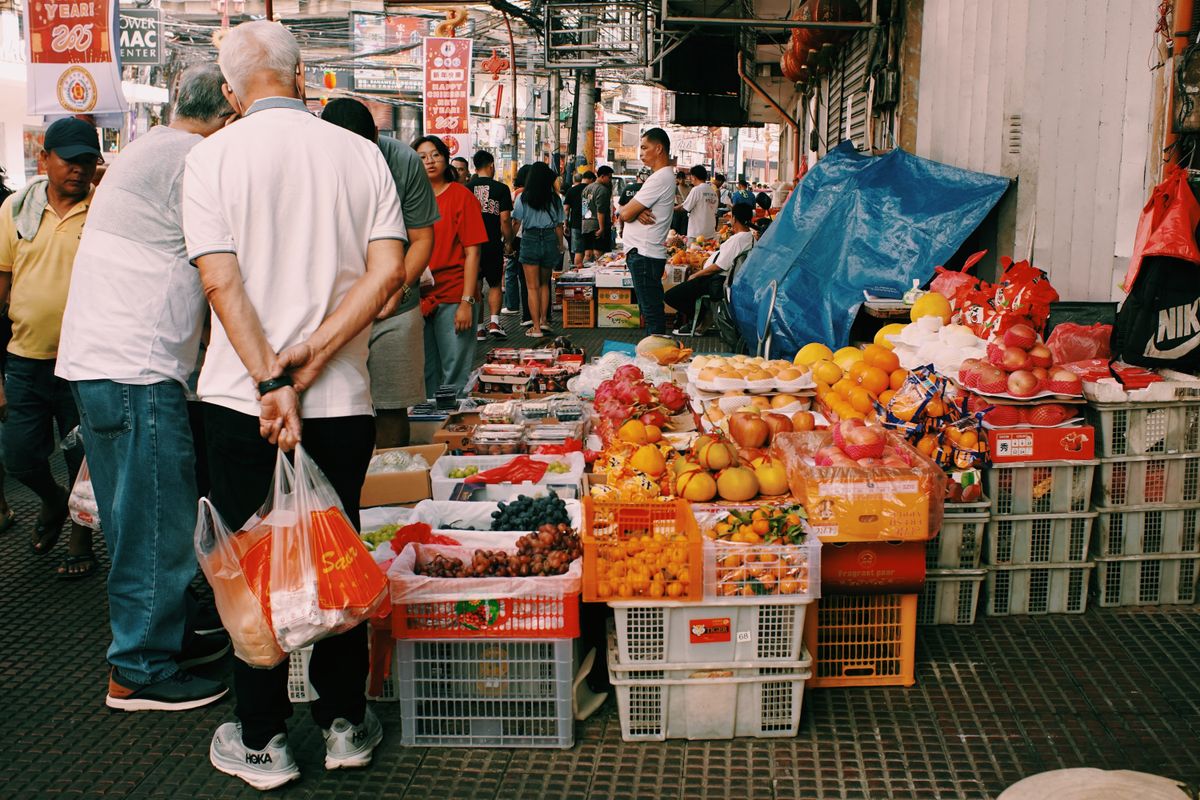
Hong Kong's bustling street markets and dim sum restaurants thrive on a rich vocabulary of food words and cooking slang. From haggling at the produce stall to ordering fresh catch, these Cantonese words capture the energy and flavor of Guangdong's culinary world. Today, we dive into 12 essential food & market terms that define the Cantonese foodie lifestyle.
The Essential 12 Words
1. 冇 (mou2)
mou2 — Jyutping
Meaning: To not have, to not exist, or to lack. Central to street vendor negotiations.
Explanation: This word is essential in Cantonese daily life and markets. When you ask "有冇?" (jau5 mou2?, "Do you have it?"), you're using the key phrase for shopping. Vendors use it constantly: "今日冇番茄" means "We don't have tomatoes today."
2. 醒晒 (sing2 sai3)
sing2 sai3 — Jyutping
Meaning: Completely sharp, clever, or savvy about quality. Describes food that's peak-fresh or a person who knows their produce.
Explanation: In Cantonese markets, "醒晒" refers to peak ripeness or the exact right moment for flavor. When applied to people, it means someone is sharp-eyed and won't be fooled by subpar goods—a compliment in the market world.
3. 豉油雞 (si6 jau4 gai1)
si6 jau4 gai1 — Jyutping
Meaning: Soy sauce chicken—a classic Cantonese braised dish where poached chicken absorbs savory soy-based sauce.
Explanation: Unlike roasted chicken, soy sauce chicken is gently braised in a rich broth that deepens with each batch. Cantonese cooks reuse the stock to build layers of flavor over months, making it a prized item in Siu Mei (roast meat) shops across Hong Kong and the diaspora.