

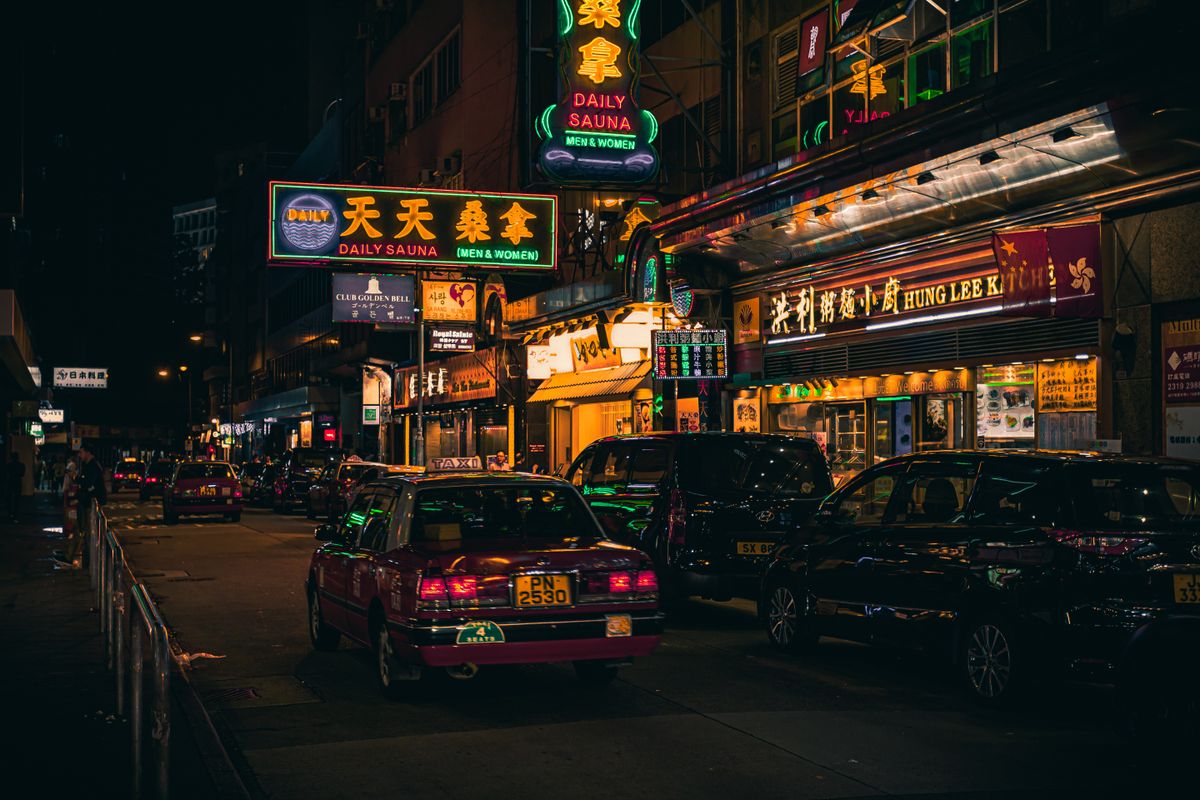
Walk through any Hong Kong street market, and you'll see them hanging in red-painted storefronts—whole roasted geese, their skin burnished to a deep mahogany brown, glistening with rendered fat. Roast goose (燛魛, siu eh) is more than a dish in Cantonese culture—it's an art form, a marker of quality, and a tradition that connects Hong Kong's past to its present.
Unlike roast duck, which is lighter and more delicate, roast goose is richer, more flavorful, and more demanding to cook. A perfect roast goose requires skill, patience, and an understanding of meat, heat, and the chemistry of Cantonese seasoning. It's the showpiece of Cantonese barbecue culture, and one bite explains why.
The Art of the Perfect Roast
Roasting a goose is a multi-step process that begins long before the bird enters the oven. First, the goose must be cleaned thoroughly, inside and out. Then it's marinated—usually overnight—in a blend of Cantonese spices including soy sauce, star anise, ginger, and Chinese five-spice powder (五香粉).
Next comes the critical step: the bird is hung in a special ventilated cabinet to dry. This step takes hours and is essential—it allows the skin to lose moisture, which is necessary for that coveted crispiness. Without proper drying, no amount of roasting will produce that shattered, crackly skin that defines a great roast goose.
Finally, the goose is roasted in a brick oven at high heat. The chef must monitor temperature carefully, turning the bird occasionally to ensure even browning. The goal is to render the fat beneath the skin while keeping the meat moist and tender. It's a balance that takes years of experience to master.
The Anatomy of Flavor
What makes roast goose special? Geese have significantly more fat than ducks or chickens. When cooked properly, that fat renders into the exterior, creating a layer of crispy, flavorful skin that shatters when you bite into it. Beneath the skin, the meat is rich, dark, and intensely savory. The fat also bastes the meat from within, keeping it moist throughout the cooking process.
The Cantonese seasoning also plays a crucial role. The combination of soy, star anise, and five-spice infuses the meat with umami, warmth, and subtle sweetness. Each bite carries layers of flavor—the savory spice of the marinade, the sweetness of rendered fat, and the gamey depth of the meat itself.

Roast Goose in Hong Kong Culture
In Hong Kong, roast goose isn't just food—it's a status symbol. A restaurant known for exceptional roast goose attracts customers from all over the city. People will queue for hours to buy takeout from a famous roast goose specialist. The best goose shops in Hong Kong have been operating for decades, with three or four generations of the same family perfecting the recipe.
During Chinese holidays and celebrations, roast goose appears on tables as an honored dish. It's expensive, it requires advance ordering, and it signals that a meal is special. In the Cantonese diaspora, roast goose is a taste of home—a reminder of Hong Kong's street markets, the smell of roasting meat, and the complexity of Cantonese flavor that no other cuisine quite matches.
How to Eat Roast Goose Like a Local
In a Hong Kong restaurant, roast goose is typically served chopped into bite-sized pieces, arranged on a plate with the skin sides up so you can see that mahogany glaze. It's served with steamed white rice, dark soy sauce for dipping, and often a simple vegetable like bok choy or gai lan.
The proper way to eat it: pick up a piece with chopsticks, dip it lightly in soy sauce (if at all—many argue the goose is flavorful enough on its own), and eat it with a mouthful of rice. Let the crispy skin crackle between your teeth. Feel the meat yield. Taste the layered seasoning. This is Cantonese food at its most refined.
📖 Related Articles
👉 Shop Cantonese Guy — Modern Streetwear for the Global Cantonese Community