

Every year, on the fifth day of the fifth lunar month, drums begin to beat across Hong Kong's harbour. Long, narrow boats decorated with dragon heads and tails slice through the water as crews of paddlers synchronise their strokes to the relentless rhythm. This is 端午節 — Tuen Ng Jit — the Dragon Boat Festival, one of the oldest, loudest, and most physically exhilarating festivals in the Cantonese calendar. And behind its spectacle is a story of loyalty, sacrifice, and the enduring power of collective grief.
The Origin Story: Qu Yuan and the Miluo River
The Dragon Boat Festival's origin is traditionally traced to the death of Qu Yuan (屈原), a poet and statesman of the Chu state who lived during China's Warring States period (475–221 BC). Qu Yuan was a loyal minister who advised his king with honesty and patriotism, but was slandered by corrupt rivals and exiled from court. When the Chu state fell to the Qin army in 278 BC, Qu Yuan, devastated by his country's ruin and his inability to save it, walked into the Miluo River in Hunan province with a heavy stone and drowned himself — an act of principled protest and grief rather than helpless despair.
The local people who loved him rushed to the river in their boats, beating drums to frighten away the fish and throwing rice wrapped in leaves into the water so the fish would eat the rice rather than his body. They searched for days but never recovered him. The annual reenactment of that desperate, loving search — the boats, the drums, the rice offerings — became the Dragon Boat Festival. It is a festival of mourning that became a festival of power, community, and extraordinary athletic spectacle.
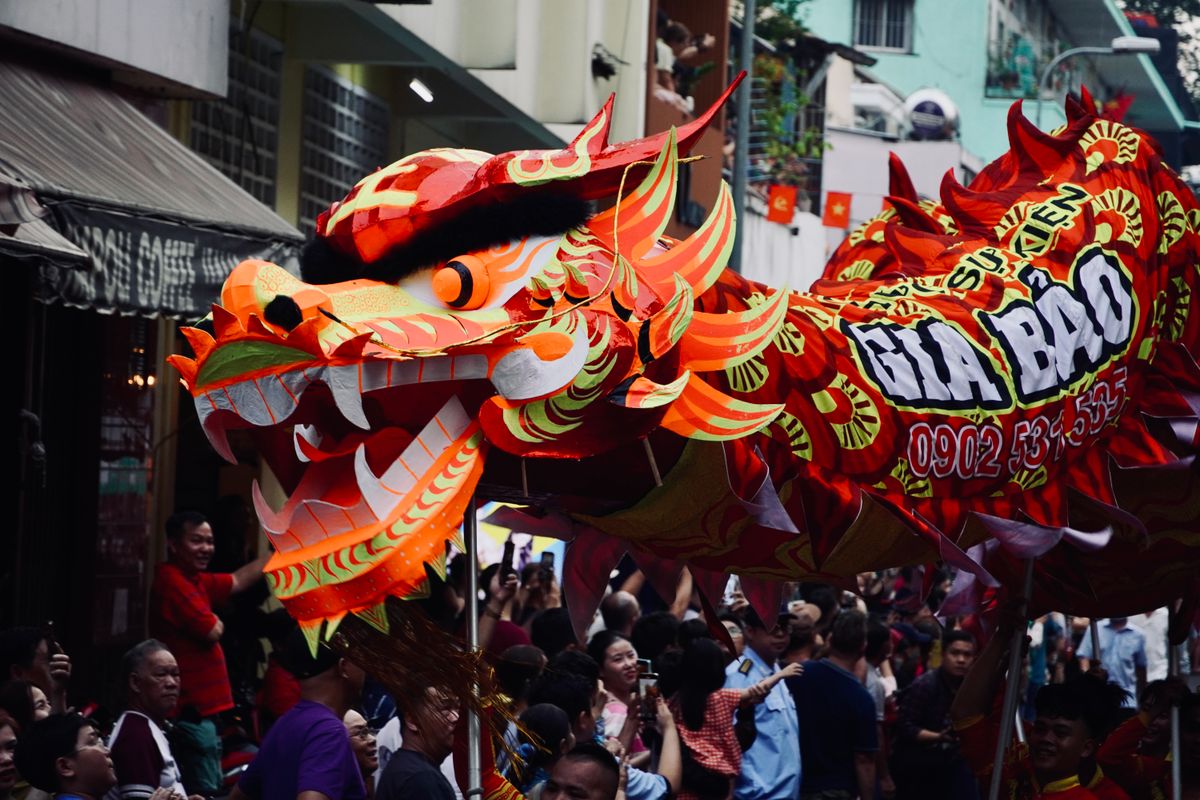
Dragon Boat Racing in Hong Kong: A World Stage
Hong Kong has become one of the world's premier dragon boat racing destinations, attracting international teams and transforming an ancient folk tradition into a globally competitive sport. The Stanley International Dragon Boat Championships, held annually in the waters off Stanley on Hong Kong Island, draw dozens of international teams competing at the highest level. The Aberdeen and Sai Kung races are equally beloved by local communities and draw passionate crowds from across the territory.
A traditional dragon boat is a long, narrow, flat-bottomed vessel, typically decorated with a painted dragon head at the bow and a tail at the stern. In Hong Kong's traditional races, boats can carry twenty paddlers plus a drummer and a steerer. The drummer sits at the front of the boat, setting the rhythm on a large drum — the paddlers match their strokes to every beat. The synchronisation required is extraordinary: twenty people moving as one body, generating power through perfect timing. The sport combines the community spirit of traditional Cantonese practice with the competitive intensity of world-class athletics.
Zong: The Sticky Rice Dumplings of Tuen Ng
The food of the Dragon Boat Festival is the 粽3 (zung3) — a pyramid-shaped parcel of glutinous rice packed with rich fillings and wrapped tightly in bamboo or reed leaves, then boiled or steamed for hours until the rice becomes dense and fragrant with the leaves' herbal scent. Cantonese zong typically contain pork belly, salted egg yolk, dried shrimp, mushrooms, mung beans, and Chinese sausage — a savoury combination of textures and flavours that is profoundly satisfying and completely unlike any other food in the Cantonese repertoire.
Making zong is a family event. In Cantonese homes, grandmothers and mothers traditionally prepare zong in the days before the festival — soaking the sticky rice, preparing the fillings, folding the leaves with practiced efficiency, tying the finished parcels with grass or string in tight, neat bundles that identify each family's style. The act of making zong together is as much the point as the eating of it. For diaspora families living far from Guangdong, zong-making is one of the most powerful rituals for transmitting culture across generations — a practice where hands teach what words cannot.
Tuen Ng in Guangdong: Regional Variations
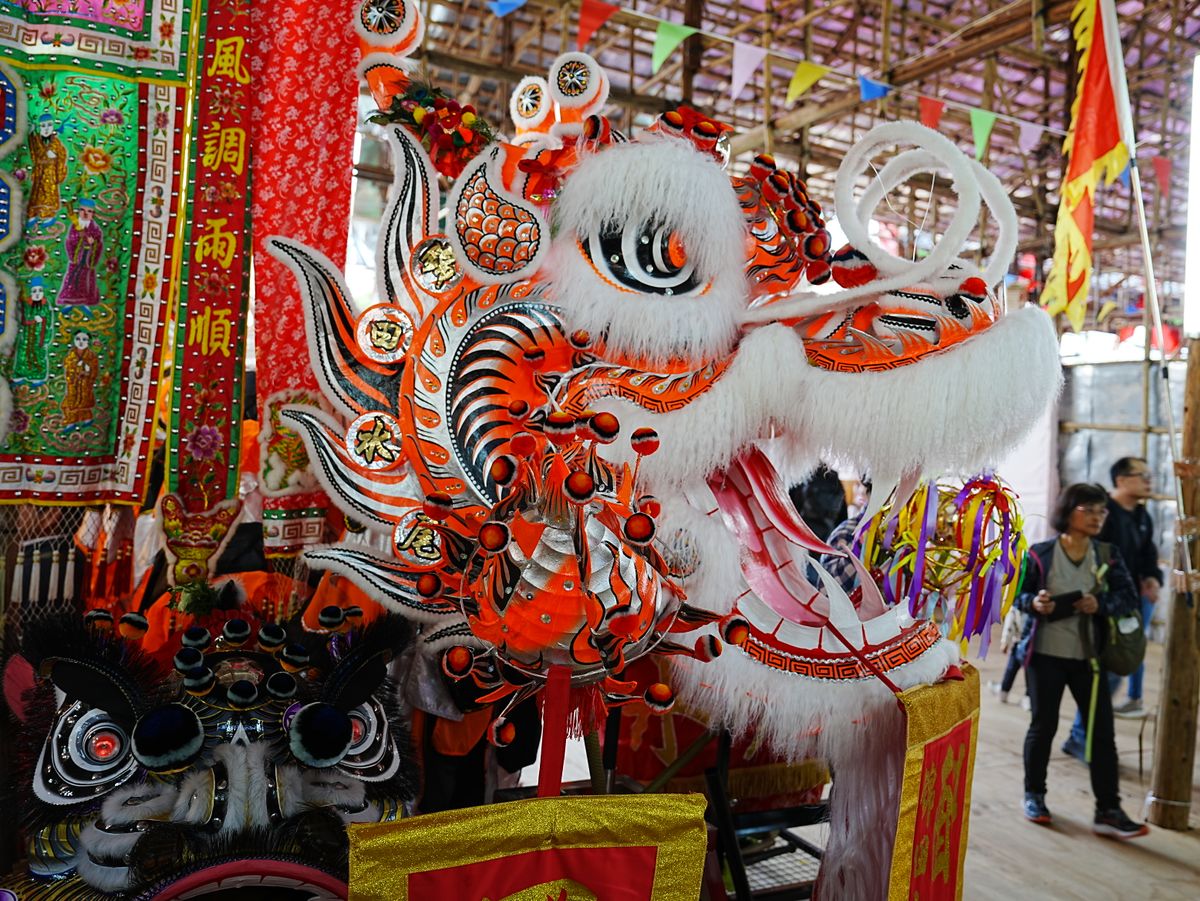
In Guangdong province, Dragon Boat racing has particularly deep roots. The Pearl River Delta's network of rivers and channels made boat culture central to Cantonese life for centuries, and the dragon boat tradition here predates the Qu Yuan legend, likely originating in ancient river deity worship and the ritual blessing of waters for fishing and travel. Many Guangdong villages still maintain their own dragon boats, stored in dedicated boathouses on the river and brought out with great ceremony each Tuen Ng season. The boat's awakening — when the eyes are painted onto the dragon head in a ritual ceremony involving incense and offerings — is taken seriously as a spiritual act, not merely a sporting formality.
The Dragon Boat Festival in the Diaspora
Dragon boat racing has become one of the Cantonese diaspora's most visible and beloved cultural exports. Cities from Vancouver to Sydney, London, and New York now host dragon boat festivals, many of which grew directly from Cantonese community organisations wanting to maintain the tradition in their new homes. These events have become multicultural celebrations, drawing participants of every background — but at their core, they carry the memory of a river in ancient China, a poet who chose death over dishonour, and the community that refused to let him be forgotten.
Discover more Cantonese festival culture in our post on the Mid-Autumn Festival in Hong Kong, and explore broader Hong Kong street culture and its festive spirit.
📖 Related Articles
👉 Shop Cantonese Guy — Modern Streetwear for the Global Cantonese Community