

If there's one dish that defines Cantonese cuisine, it's roast goose (燒鵝, siu ngo). Not just a meal, but a symbol of celebration, grandeur, and the mastery of fire and flavor that makes Guangdong cooking legendary worldwide. For the global Cantonese diaspora, roast goose isn't just food—it's home on a plate.
700 Years of Roast Goose Perfection
Roast goose didn't start in Guangdong. During the Southern Song dynasty, roasting techniques traveled south from Lin'an (modern-day Hangzhou) with immigrant chefs who brought expertise in roasting duck. But Guangdong had something Hangzhou didn't: abundant geese suited to the climate and culinary traditions of the Pearl River Delta.
By the Ming dynasty, Cantonese chefs had perfected goose-roasting into an art form. The most famous example—Gujing Roast Goose (古井燒鵝) from Xinhui District in Jiangmen—has over 700 years of recorded history. It's not just a dish; it's a living legacy of Guangdong cooking evolution.
The Science of Crispy Skin & Tender Meat
What makes roast goose so iconic? The skin. Crispy, burnished, almost caramelized—yet the meat underneath stays juicy and tender. This isn't luck. It's technique passed down through generations of Siu Mei (燒味) chefs.
The process begins with preparation: the goose is plucked clean, then inflated (separating skin from meat for even cooking), scalded with boiling water to open the pores, and brushed repeatedly with a maltose-vinegar syrup. This special glaze is the secret—it caramelizes during roasting, creating that signature crunch.
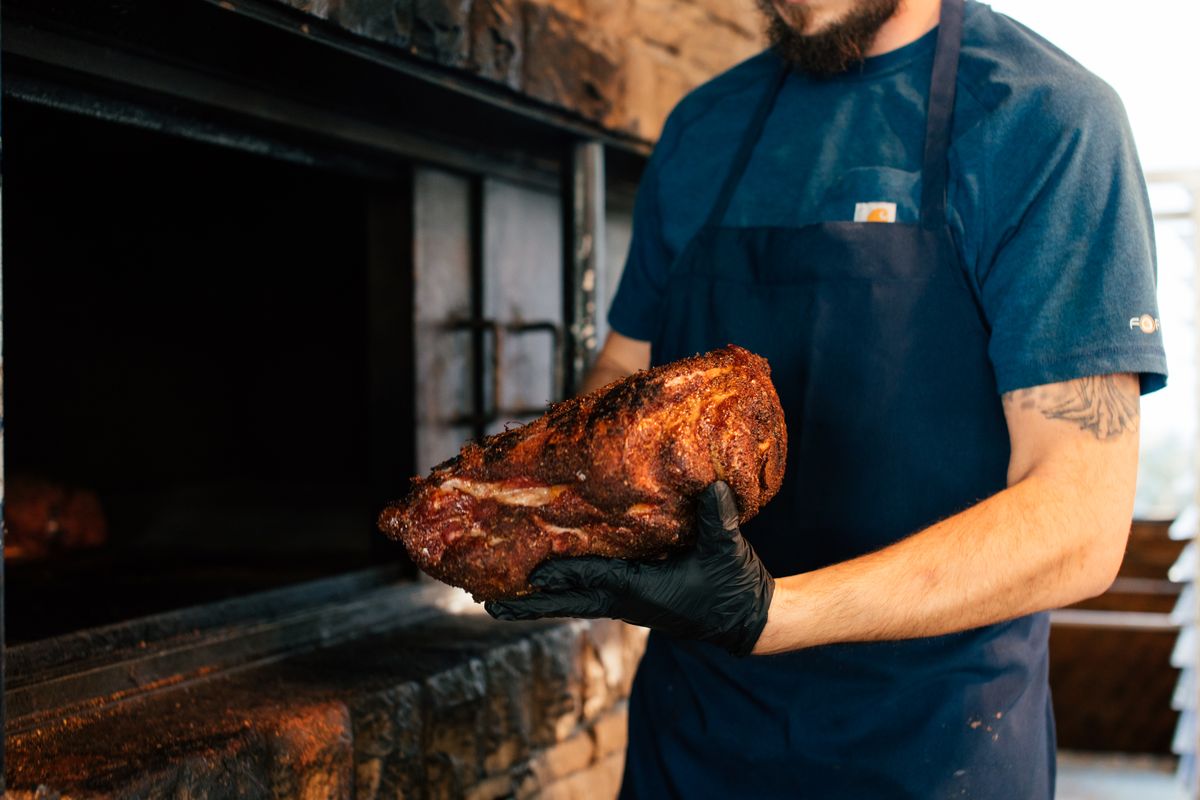
Then comes the roasting. Traditional charcoal-fired ovens (not modern electric ones) reach high temperatures, cooking the exterior quickly while the meat braises in its own juices. The result: skin so crispy it shatters between your teeth, meat so tender it falls from the bone.
Roast Goose in Cantonese Culture & Celebrations
In Guangdong, roast goose isn't served casually. It's reserved for significant moments: Lunar New Year banquets, family reunions, business celebrations, and wedding feasts. You don't just order roast goose—you honor the occasion with it.
On Cantonese dining tables, roast goose is the "must-have" meat dish, more prestigious than roast duck (燒鴨) or BBQ pork (叉燒). It signals respect, generosity, and commitment to excellence. In Hong Kong, famous roast goose restaurants have lines stretching down the street, with locals waiting hours for a perfectly roasted bird.
Why It Matters to Global Cantonese Communities
For diaspora Cantonese in Vancouver, San Francisco, Sydney, and London, finding authentic roast goose is a pilgrimage. It connects generations—grandparents remember Guangdong banquets, parents seek it in Hong Kong restaurants abroad, and youth are rediscovering their heritage through food.
The roast goose window (a small shop window displaying whole roasted meats) is iconic Cantonese aesthetic. You'll see them in Chinatowns worldwide: glistening geese, ducks, and pork hanging under warm lights, the aroma of charcoal and maltose filling the street. That image—that experience—is Cantonese identity in physical form.
Modern Takes on a Classical Tradition
Today, while traditional charcoal ovens still dominate in Guangdong, some restaurants experiment with modern methods—electric roasters, sous-vide, molecular gastronomy—while keeping the spirit alive. But purists insist: roast goose done right must come from fire, skill, and patience.
The diaspora is doing its part too. Young Cantonese chefs in major cities are reviving roast goose culture, teaching non-Cantonese communities why this isn't "just roasted meat"—it's a 700-year-old philosophy about respecting ingredients, mastering fire, and honoring tradition.
📖 Related Articles
👉 Shop Cantonese Guy — Modern Streetwear for the Global Cantonese Community