

On any given day, roughly 70,000 people step onto a small green-and-white boat, sit down on a wooden bench that flips depending on the direction of travel, pay less than the price of a cup of coffee, and cross one of the most famous harbours in the world. The trip lasts about 8 to 11 minutes. It has been happening more or less exactly this way since 1888. Welcome to the Star Ferry (天星小輪, tin1 sing1 siu2 leon4) — the humblest, cheapest, most photographed ride in Hong Kong.
National Geographic Traveler once put a Star Ferry crossing on its "50 Places of a Lifetime" list. In 2026, an adult ticket on the upper deck costs HK$2.70 on weekdays. That is not a typo. If you want to be part of a Cantonese ritual that's older than the light bulb was widespread, our 廣東仔 CANTONESE GUY oversized tee makes a solid uniform for the crossing.
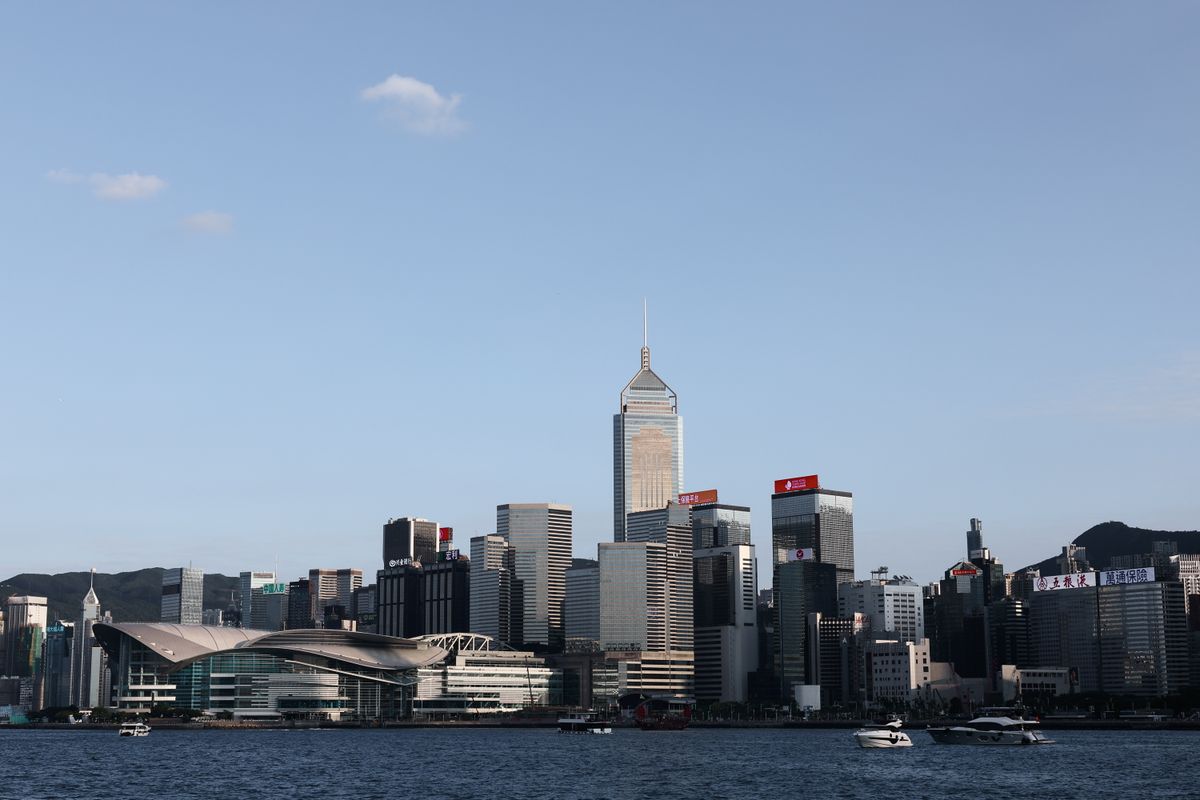
1888: a Parsi baker and a coal boat
The Star Ferry was not founded by a Hong Kong Cantonese businessman. It was founded by an Indian Parsi immigrant called Dorabjee Naorojee Mithaiwala — the son of a Bombay confectioner — who had come to Hong Kong to open a bakery and stayed to run boats. In 1888 he started the Kowloon Ferry Company with a single coal-powered boat named The Morning Star, running between Pedders Wharf on Hong Kong Island and Tsim Sha Tsui.
A local newspaper of the time reported the boat ran roughly every 40 minutes to an hour, and shut for coaling on Mondays and Fridays. By 1890 the fleet had four single-deck boats: Morning Star, Evening Star, Rising Star and Guiding Star. In May 1898, Dorabjee sold the business to another Parsi merchant and the company changed its name to the one it still carries today: The "Star" Ferry Company Limited. The Cantonese name 天星小輪 translates the poetry directly — "Heavenly Star Small Ferry."
The boats that are named after stars
⭐ The naming rule that has never changed
Every single Star Ferry boat, from the first four in 1890 to the current fleet, has "Star" in its name. Morning Star, Evening Star, Meridian Star, Northern Star, Celestial Star, Twinkling Star, Solar Star, Shining Star, Silver Star, World Star, Day Star, Night Star. The company treats the naming convention like a family surname — you cannot join the fleet without it. Some of the boats currently in service were built in the 1950s and 1960s and still run every day.
The fare that never really moved
The most stubborn thing about the Star Ferry is its fare. In 2026, a weekday adult ticket on the upper deck is HK$2.70. On the lower deck it is HK$2.20. On weekends and public holidays it rises to HK$3.70 and HK$3.10. Kids ride for as little as HK$1.50. Seniors over 65 and passengers with disabilities ride free. To put it another way: crossing Victoria Harbour costs less than a small silk stocking milk tea at a cha chaan teng.
In 1966, the company tried to raise the second-class fare by 5 Hong Kong cents. What followed became known as the Star Ferry riots — the first modern mass protest in Hong Kong, led by a young activist called So Sau-chung on hunger strike outside the Central pier. The fare hike went through anyway, but the moment shifted Hong Kong's relationship with public transport permanently. Ever since, the Star Ferry has been the fare that gets scrutinised more than any other in the city.
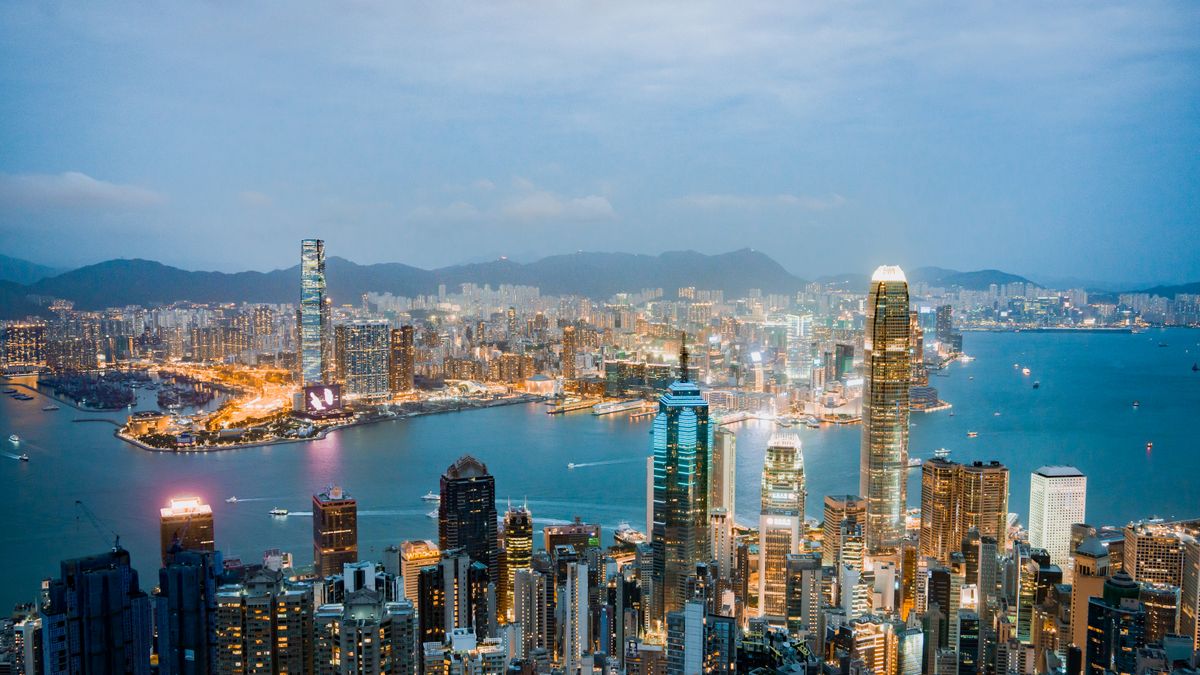
A Cantonese ritual for the commuter
If you have ever taken the Star Ferry to Tsim Sha Tsui at 6pm, you know the choreography. The queue funnels through a rusty green turnstile that clunks when you push through. The wooden benches on the lower deck flip backwards depending on which direction the boat is heading — pulled by hand by the deckhand at each port with a bar hooked through the seat back. The engine chugs. A gull swings past the window. Someone opens a paper bag of pineapple bun. The whole city rises up around you, and then Kowloon appears, and then you are in Tsim Sha Tsui and the whole thing costs less than the MTR.
For Hong Kongers, the Star Ferry is not romance — it is the last honest piece of the harbour. The tourist junks are pretty, but the Star Ferry is the one you take with your mum, your daughter, your Tinder date. It is where you say goodbye to a friend who is moving to London. It is where you eat cheung fun out of a plastic bag on the way home from work. It is the piece of Hong Kong that has not been renovated into unrecognisability.
Piers that moved, boats that stayed
🏗️ The pier that came down in 2006
The old Central Star Ferry Pier at Edinburgh Place — with its neat clock tower and dark green pitched roof — was demolished in November 2006 to make way for land reclamation. Protesters chained themselves to the pillars. The new Pier 7 further out into the harbour opened the same month, styled after a 1912 Edwardian pier that used to sit nearby. Older Cantonese Hong Kongers still refer to the old pier by its position — 中環 (Central) — and pretend the new one doesn't exist.
Today the company runs a fleet of about 12 diesel-electric ferries across two harbour routes: Tsim Sha Tsui – Central, and Tsim Sha Tsui – Wan Chai. About 26 million passengers a year still take a Star Ferry — fewer than the peak years before the MTR harbour tunnel opened in 1980, but still a staggering number for a boat service that has barely changed its route in over 130 years.
Why the Star Ferry matters
Ask any Cantonese-speaking Hong Konger about their earliest memory of the city and there is a good chance the Star Ferry is in it. It is the childhood field trip. It is the courtship. It is the way your father used to commute from Kowloon to his office in Central before the MTR harbour tunnel opened. It is the shot in every Wong Kar-wai film that lets you know you are in Hong Kong without needing a subtitle.
For the global Cantonese diaspora, the Star Ferry is the one piece of Hong Kong that reliably still smells the same as it did in 1985. When you come back after five years or twenty, you get on the same green-and-white boat, sit on the same flippable bench, hear the same engine, see the same skyline reshuffled by a few more skyscrapers, and know you are home. If that feeling deserves a wardrobe, our Cotton Tree Flower hoodie was made for people who cross the harbour and feel it in their chest.
📖 Related Articles
👉 Shop the Best Seller collection
Modern streetwear for the global Cantonese community.