

Dim sum isn't just food—it's a ritual, an experience, and a cornerstone of Cantonese identity. Every weekend morning, Hong Kong (and Cantonese communities worldwide) come alive with the sight and sound of yum cha: trolleys rolling between tables, bamboo baskets stacked high, families gathered over tea. This ancient tradition, refined over centuries, represents the pinnacle of Cantonese culinary artistry.
Whether you're a newcomer to dim sum or a lifelong enthusiast, understanding the history, techniques, and iconic dishes will deepen your appreciation for why Cantonese people cherish this tradition. Let's dive in.
The Origins of Dim Sum: A Brief History
The history of dim sum is intertwined with the Silk Road and tea culture. During the Tang Dynasty, small snacks accompanied tea. By the Qing Dynasty, Guangdong's bustling ports saw merchants and traders gathering in teahouses to conduct business over tiny portions of food and tea. This practice evolved into yum cha—literally "drinking tea"—and gradually transformed into the elaborate meal we know today.
Hong Kong's dim sum tradition truly flourished during the British colonial period (1841 onwards) as the city became a major trading hub. Cantonese chefs refined techniques, invented new dishes, and elevated dim sum to an art form. The tradition remains strongest in Hong Kong, but has spread to Cantonese diaspora communities in Vancouver, San Francisco, London, Sydney, and beyond—wherever Cantonese people have settled, dim sum has followed.
The Essential Dim Sum Dishes You Must Know
Har Gow (蝦餃) — Shrimp Dumplings
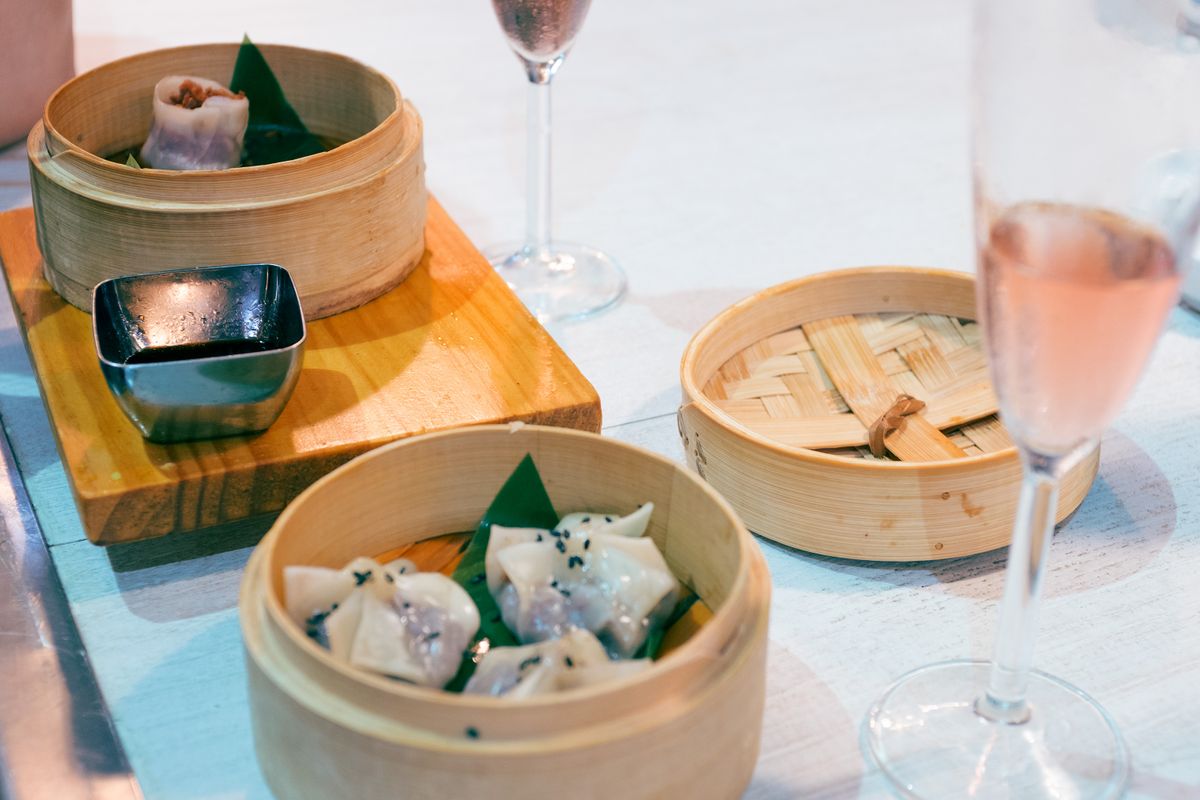
Har gow is the queen of dim sum. These delicate, translucent dumplings wrapped in chewy tapioca starch are filled with fresh shrimp and bamboo shoots. The wrapper is so thin you can see the filling through it. The best har gow has a slightly sticky, bouncy texture and a burst of fresh shrimp flavor. It's the dish restaurants use to prove their expertise—if a restaurant can't make good har gow, they're not worth your time.
Shumai (燒賣) — Pork and Shrimp Dumplings
Shumai is the masculine counterpart to har gow. Open-topped, these dumplings are filled with a mixture of ground pork, shrimp, and bamboo shoots, topped with a dot of orange crab roe or fish roe. The wrapper is thicker than har gow, the filling heartier. Shumai is comfort food elevated to an art form.
Char Siu Bao (叉燒包) — Barbecued Pork Buns
Soft, fluffy steamed buns filled with sweet barbecued pork. Some are served warm and fluffy, others slightly crispy on the outside. The interplay between the sweet pork filling and the neutral sweetness of the bun defines char siu bao. A staple of every dim sum cart, and a beloved breakfast everywhere Cantonese communities gather.
Cheung Fun (腸粉) — Steamed Rice Noodle Rolls
Thin, silky sheets of steamed rice noodle rolled around fillings like shrimp, pork, or Chinese chives. Served with a light soy sauce drizzle, cheung fun requires incredible skill to make. The noodle sheets must be thin enough to be transparent, yet sturdy enough not to tear. It's subtle, elegant, and a testament to Cantonese precision.
The Techniques Behind Dim Sum Mastery
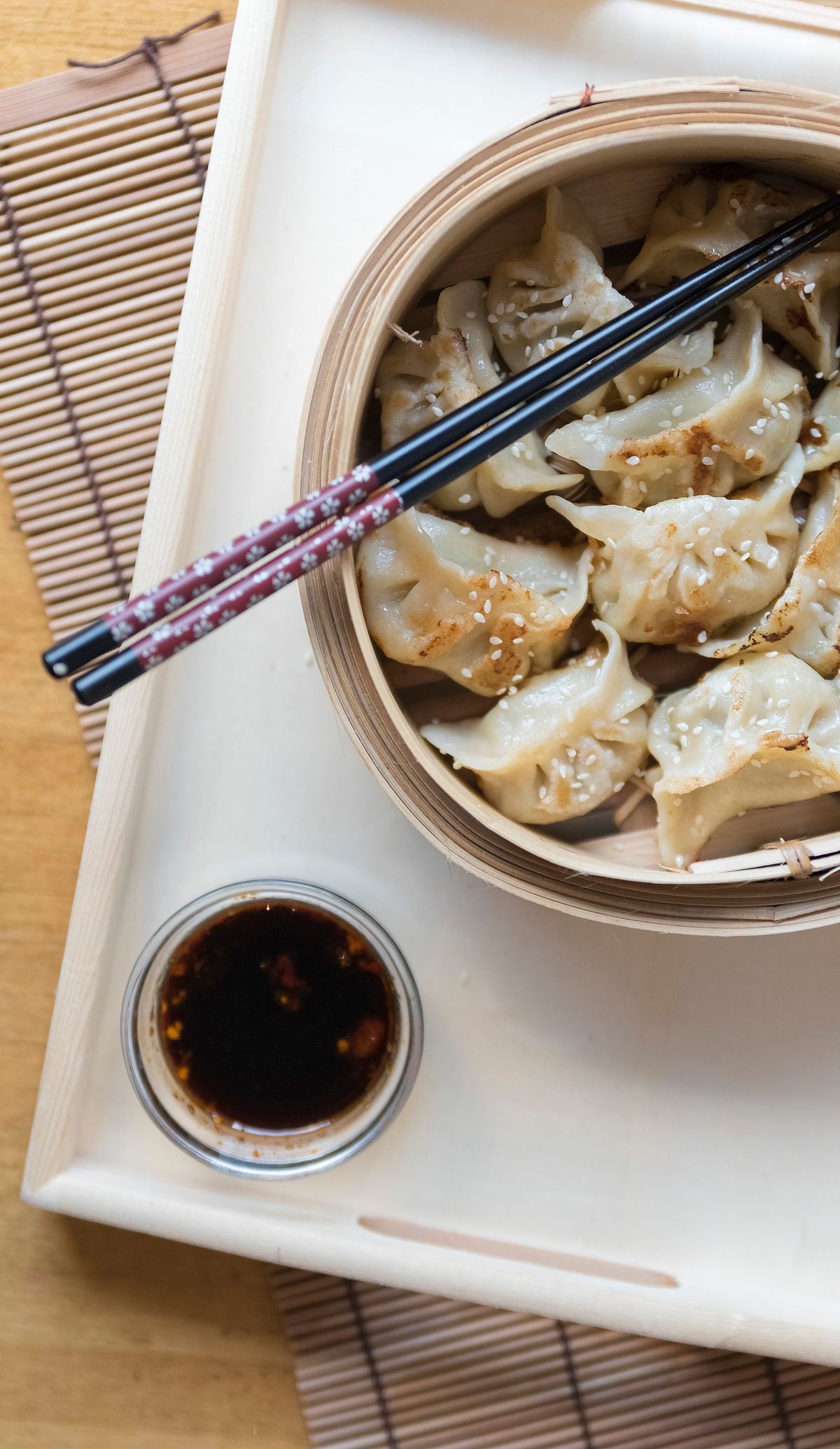
Dim sum mastery requires years of training. Chefs must understand the science of dough fermentation, steaming temperatures, and timing. Wrappers must be rolled by hand to exact thickness. Fillings must be balanced in seasoning and texture. The bamboo steamers, stacked in hot kitchens, release steam at precise moments to ensure the perfect texture.
The most skilled dim sum makers—especially those who prepare har gow—often train for a decade before they're considered masters. Watch a Hong Kong dim sum kitchen during peak service, and you'll see choreographed precision: rolling, folding, steaming, stacking, serving—each movement intentional and refined.
Dim Sum Beyond Hong Kong: The Global Cantonese Tradition
Dim sum has become a global expression of Cantonese identity. In Vancouver's Richmond, dim sum teahouses are gathering places where Cantonese elders teach grandchildren the language and culture through food. In San Francisco's Chinatown, dim sum restaurants have been family-owned for generations. In London and Sydney, the Cantonese diaspora maintains yum cha traditions as a way to preserve cultural memory and connection.
For the Cantonese diaspora especially, dim sum represents home. It's a tangible link to Guangdong, to Hong Kong, to grandmothers and childhood memories. Every dumpling is a thread connecting scattered communities across continents.
How to Experience Dim Sum Like a Local
Timing: Arrive early (before 11 AM). The best items sell out quickly. Seasoned dim sum fans know that the first and second carts have the freshest items.
The Cart System: In traditional yum cha, servers push carts of hot dishes between tables. Point to what you want. This keeps food fresh and hot—it's both practical and theatrical.
Tea First: Never order food before ordering tea. Tea aids digestion and is central to the yum cha experience. Ask for recommendations based on the food you're eating.
Pace Yourself: Dim sum is meant to be savored slowly, eaten in conversation. Order a few items at a time, not everything at once.
Respect the Tradition: Understand that each dish represents generations of technique. Taste slowly. Notice texture, seasoning, and balance.
📖 Related Articles
👉 Shop Cantonese Guy — Modern Streetwear for the Global Cantonese Community