

There are dishes that feed you, and dishes that hold you. 煎仙4飯 (Bo Zai Fan) — Cantonese claypot rice — is firmly in the second category. Cooked slowly in a sealed clay pot over a charcoal or gas flame, this dish produces something no stainless steel pan can replicate: crispy, smoky, caramelised rice at the bottom, topped with silky preserved meats and chicken, all bound together by a soy-sesame sauce poured tableside. It is winter comfort food raised to the level of art.
The Clay Pot: Why It Matters
The 煎仙 (bo1 zai2) — the small, handle-free clay pot — is not just a cooking vessel. It's a flavour machine. The porous clay absorbs and releases heat evenly and slowly, allowing the rice to cook through without burning from the bottom up. As the rice nears done, the clay radiates enough heat to toast the bottom layer into what's known as 鍋巴 (wo3 baa1): the golden, crunchy rice crust that regulars at claypot rice shops fight over. Without a clay pot, you simply cannot achieve this — it's physics and material science in the service of dinner.
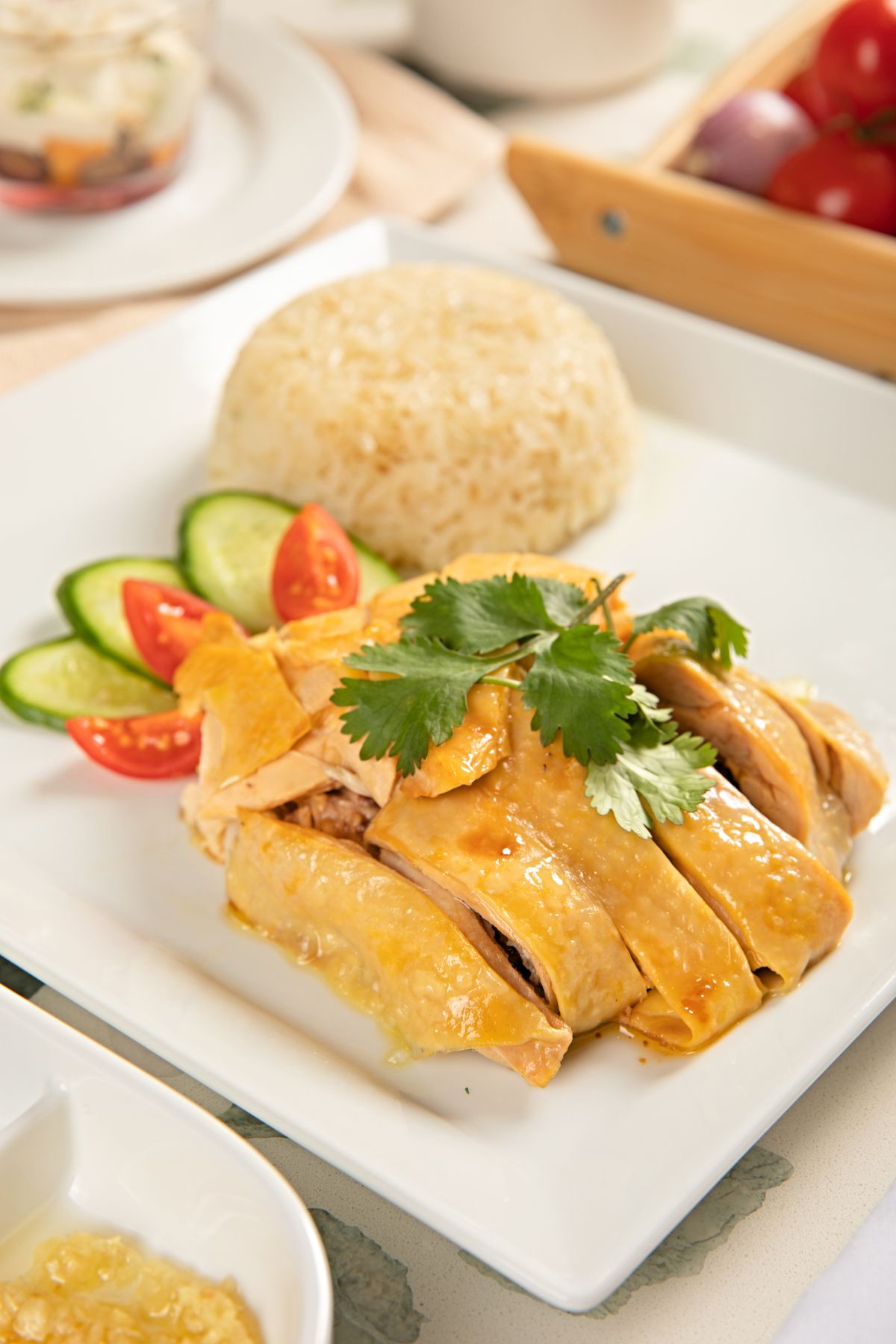
The Classic Toppings of Bo Zai Fan
Bo Zai Fan is one of those dishes where the toppings are as important as the rice itself. The most traditional combination is 臘味 (laap6 mei6) — preserved Cantonese meats — layered over the rice just before it finishes cooking so they steam through and release their fat into the grains below. The beloved classics include 臘腸 (laap6 coeng2), sweet-savoury Cantonese lap cheong sausage; 臘鴨腿 (laap6 aap3 teoi2), preserved duck leg with its richer, more complex flavour; 滑雞 (waat6 gai1), silky marinated chicken thigh; 排骨 (paai4 gwat1), pork spare ribs in black bean sauce; and 牛肉 (ngau4 juk6), minced or sliced beef with ginger and spring onion.
A drizzle of dark soy sauce and sesame oil is added tableside — the sizzle when it hits the hot pot is one of the great sensory pleasures of Cantonese cuisine.
A Winter Tradition With Year-Round Devotion
In Hong Kong and Guangdong, Bo Zai Fan is particularly associated with the cooler months. When temperatures drop, queues form outside the city's most beloved claypot rice shops. Places in Sham Shui Po and the late-night spots of Yau Ma Tei attract regulars who come not just for the rice but for the ritual: the waiting, the steam rising from the pot, the moment of lifting the lid.
That said, devotees eat it year-round. Bo Zai Fan crosses seasons the way a great film crosses generations — it's always the right time.
How to Eat Bo Zai Fan the Right Way
Step one: don't rush. The pot arrives still bubbling — give it a moment. Step two: pour the dark soy and sesame oil around the edges so they trickle down to the crust. Step three: use your chopsticks to loosen the rice from the sides, mixing the toppings in as you go. Step four — non-negotiable — scrape the bottom. The 鍋巴 is the prize: thin, crackling, smoky-sweet, rewarding the patient eater.
Bo Zai Fan is typically a solo dish in Hong Kong — each diner gets their own pot. This is not a sharing plate. This is your pot, your crust, your moment.
Bo Zai Fan in the Cantonese Diaspora
Wherever Cantonese communities have settled — Vancouver, San Francisco, London, Sydney — Bo Zai Fan has followed. Diaspora restaurants have adapted the dish to local ingredients and tastes, sometimes substituting preserved meats with locally made versions, sometimes adding vegetables unavailable in southern China. But the essential ritual — the clay pot, the steam, the crust — remains. To eat Bo Zai Fan abroad is to reach back across the ocean to Guangdong, one spoonful at a time.
For more Cantonese food culture, explore 叉燒 Char Siu: The Science and Soul of Cantonese BBQ Pork and our deep dive into Wok Hei: The Fire and Philosophy of Cantonese Cooking.
📖 Related Articles
👉 Shop Cantonese Guy — Modern Streetwear for the Global Cantonese Community