

Hong Kong is a city built around movement. Eight million people, six modes of transit, one of the densest urban grids on the planet — and a vocabulary to match. Today's volume covers the words you'll hear on every MTR platform, in every minibus, and on every street where someone is rushing to be somewhere else. Learn these and you'll start to hear the city talk back to you.
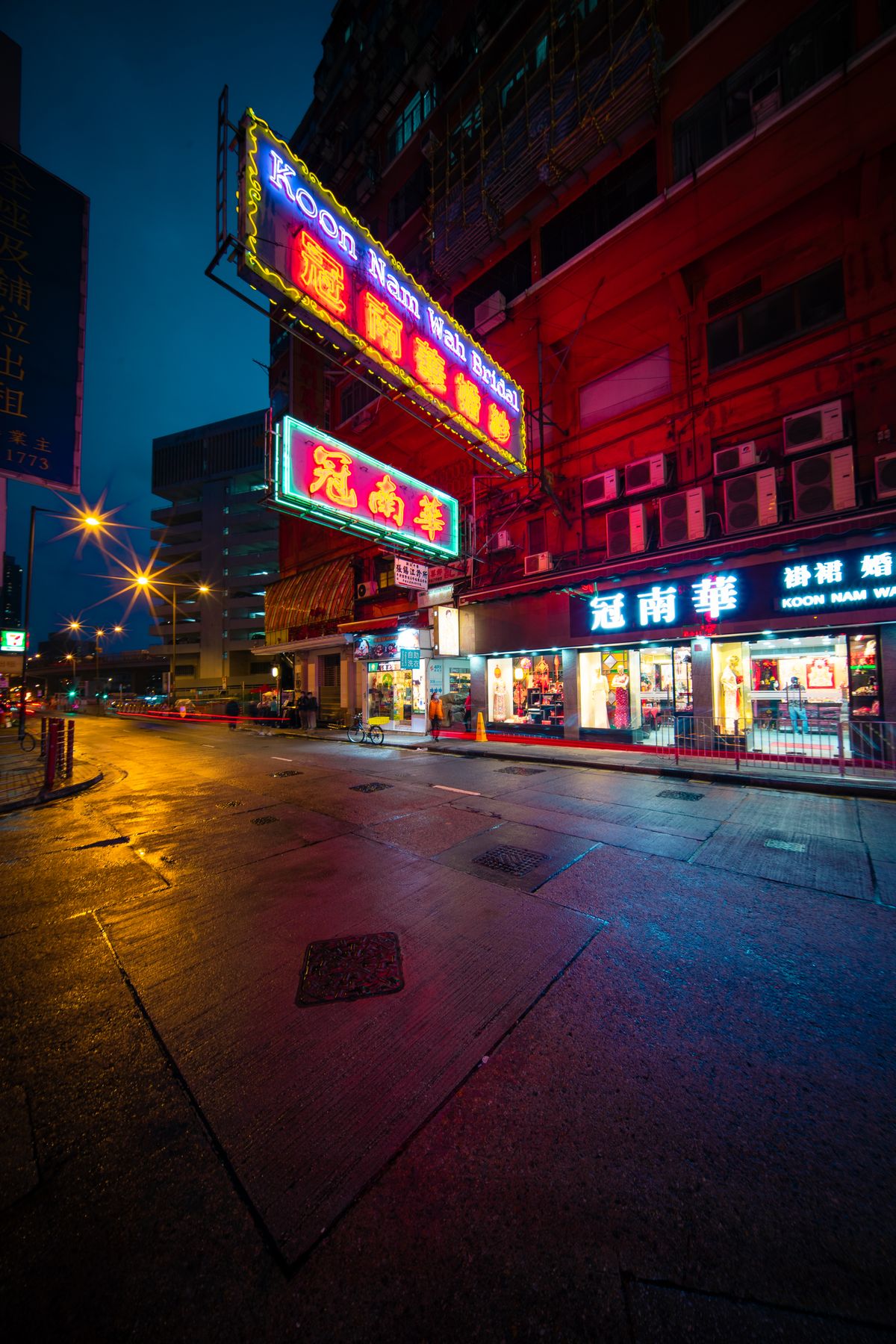
10 Cantonese Transit Words You'll Hear Every Day
1. 八達通
baat3 daat6 tung1 — Jyutping romanisation
Meaning: Octopus card — Hong Kong's universal contactless payment card.
Explanation: Literally "eight reach pass" — the eight stands for "all directions," and in Cantonese culture it also sounds like 發 (faat3, "prosper"). The card pays for MTR, buses, ferries, 7-Eleven, vending machines, and parking meters. If a Hong Konger pats their pocket and you hear "嘟" (duk1) in their head — that's the sound of tapping in.
2. 巴士
baa1 si2 — Jyutping romanisation
Meaning: Bus — a direct phonetic borrowing from English.
Explanation: Hong Kong runs one of the world's most efficient double-decker bus networks. The word itself is one of hundreds of English loanwords baked into everyday Cantonese — a quiet reminder of the city's hybrid linguistic DNA.
3. 的士
dik1 si2 — Jyutping romanisation
Meaning: Taxi — another English loanword that became fully Cantonese.
Explanation: Hong Kong taxis come in three colours: red (urban areas), green (New Territories), and blue (Lantau). Hailing one is an art — locals know the silent flick of the wrist that says "I'm not a tourist."
4. 地鐵
dei6 tit3 — Jyutping romanisation
Meaning: Subway / MTR — literally "underground iron."
Explanation: Even though the network rebranded as MTR (Mass Transit Railway), most locals still say 地鐵 — old habits, and the name just feels right. It's the spine of Hong Kong life: clean, fast, terrifyingly punctual.
5. 紅van
hung4 ven1 — Jyutping romanisation
Meaning: Red minibus — 16-seater public light bus with a red roof.
Explanation: Red vans run on flexible routes and fares set by the driver. No fixed stops — you yell out where to drop you off. Riding one is a rite of passage; surviving the driving is the bigger achievement. The cultural opposite is 綠van (luk6 ven1) — the green minibus, with fixed routes.
6. 搭車
daap3 ce1 — Jyutping romanisation
Meaning: To take a vehicle / catch a ride.
Explanation: 搭 (daap3) literally means "to board" or "to attach onto" — and it pairs with almost any vehicle: 搭巴士 (take the bus), 搭地鐵 (take the MTR), 搭飛機 (catch a flight). Mastering 搭 is mastering Cantonese mobility.
7. 塞車
sak1 ce1 — Jyutping romanisation
Meaning: Traffic jam — literally "blocked car."
Explanation: The vivid visual of 塞 (sak1, "plugged up") captures Hong Kong's tunnel chaos better than any English phrase. When someone says they're 塞緊喺隧道, they're stuck in a tunnel, and you should probably eat without them.
8. 落車
lok6 ce1 — Jyutping romanisation
Meaning: To get off a vehicle — literally "descend car."
Explanation: The mirror twin of 搭車. The shout "有落!" (jau5 lok6 — "someone getting off!") is the universal red-van command. Pay attention or you'll miss your stop.
9. 過海
gwo3 hoi2 — Jyutping romanisation
Meaning: To cross the harbour — between Hong Kong Island and Kowloon.
Explanation: In Hong Kong, 過海 is a whole social commitment. "You want me to 過海 just for dinner?" is the local equivalent of asking a New Yorker to cross from Manhattan to Queens at 11pm. It can be done — but only for someone you really love.
10. 走鬼
zau2 gwai2 — Jyutping romanisation
Meaning: To scram — literally "run from ghosts."
Explanation: Originally the warning cry of illegal street hawkers when the Hawker Control Team appeared ("the ghosts"). Today it's used jokingly any time you need to disappear fast — when your boss walks in, when the bill arrives, when a relative starts asking about marriage.
Why These Words Matter
Transit vocabulary is the secret skeleton of any city's language. These ten words are how Hong Kongers describe daily life — the rush, the squeeze, the small triumphs of catching the right minibus. Learn them and you stop being a visitor.
📖 Related Articles
👉 Shop Cantonese Guy — Modern Streetwear for the Global Cantonese Community