

Hong Kong runs on a clock that no other city understands. People walk faster, eat faster, type faster — and somehow, they still complain about being late. Cantonese has a whole vocabulary for this restlessness, plus a quieter set of words for the moments when nobody is in a hurry at all. Volume 12 of the Cantonese Dictionary collects 10 words about time, speed and the pace of life that every Cantonese speaker uses daily.
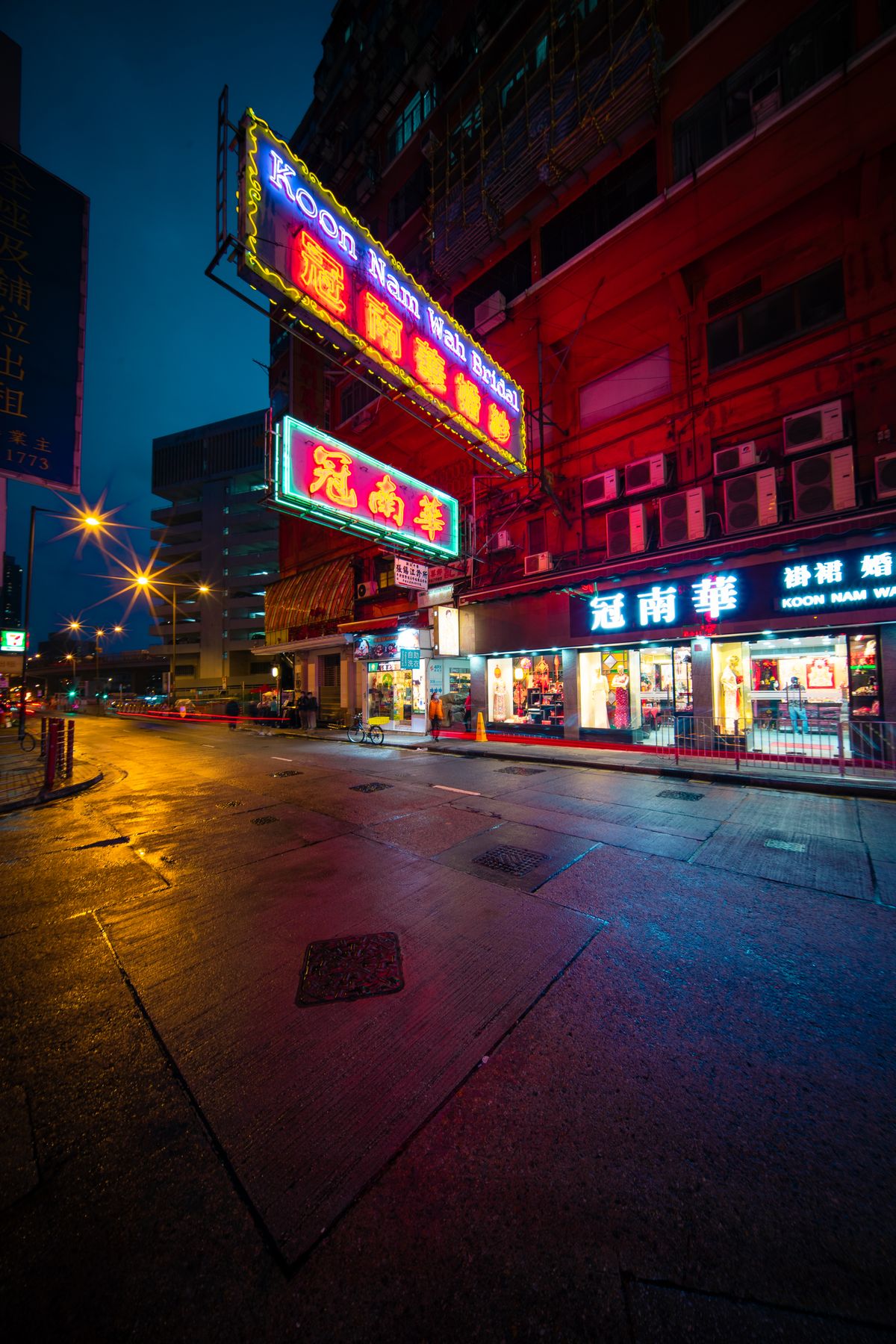
Why Cantonese Has So Many Words for "Hurry"
If you have ever stood on a Central pavement at 8:55am, watched a courier weave through traffic, or eaten congee in eight minutes flat at a cha chaan teng, you already know: speed is identity. The words below are not textbook vocabulary — they are how Hong Kong people actually live. Some are blunt, some are slangy, and a few are the kind of soft phrases mothers use when they want their kid to slow down for once.
1. 趕
gon2 — Jyutping romanisation
Meaning: To rush; to be pressed for time; to chase a deadline.
Explanation: The single verb at the centre of every Hong Kong working day. You don't just "do" things — you 趕 them. People 趕 the bus, 趕 the deadline, 趕 dinner. It carries the feeling of being chased, not running freely.
2. 慢
maan6 — Jyutping romanisation
Meaning: Slow; slowly.
Explanation: The opposite pole of 趕. In Hong Kong, "slow" is often a complaint about service or transport, but doubled up into 慢慢, it becomes affectionate — a way to tell someone they don't have to hurry just because you do.
3. 即刻
zik1 hak1 — Jyutping romanisation
Meaning: Immediately; right now; this second.
Explanation: Sharper than "soon" and more dramatic than "now." If your boss says 即刻, the polite response is to already be moving. If your mum says 即刻, dinner has been on the table for two minutes and she is not asking twice.
4. 等陣
dang2 zan6 — Jyutping romanisation
Meaning: Wait a moment; in a little while; later.
Explanation: A perfect everyday filler. It is what you say when you are not free right now but will be in a few minutes, and also what you say when you are trying to politely buy time. The cousin of "等一陣" (dang2 jat1 zan6), with the same energy.
5. 一陣間
jat1 zan6 gaan1 — Jyutping romanisation
Meaning: In a moment; shortly; very soon.
Explanation: A slightly more specific version of 等陣 — it points at a small future window rather than just "later." Heard in restaurants when the staff says food is coming, and in plans when friends agree to meet in a few minutes.
6. 慢慢嚟
maan6 maan2 lai4 — Jyutping romanisation
Meaning: Take your time; no rush; slowly does it.
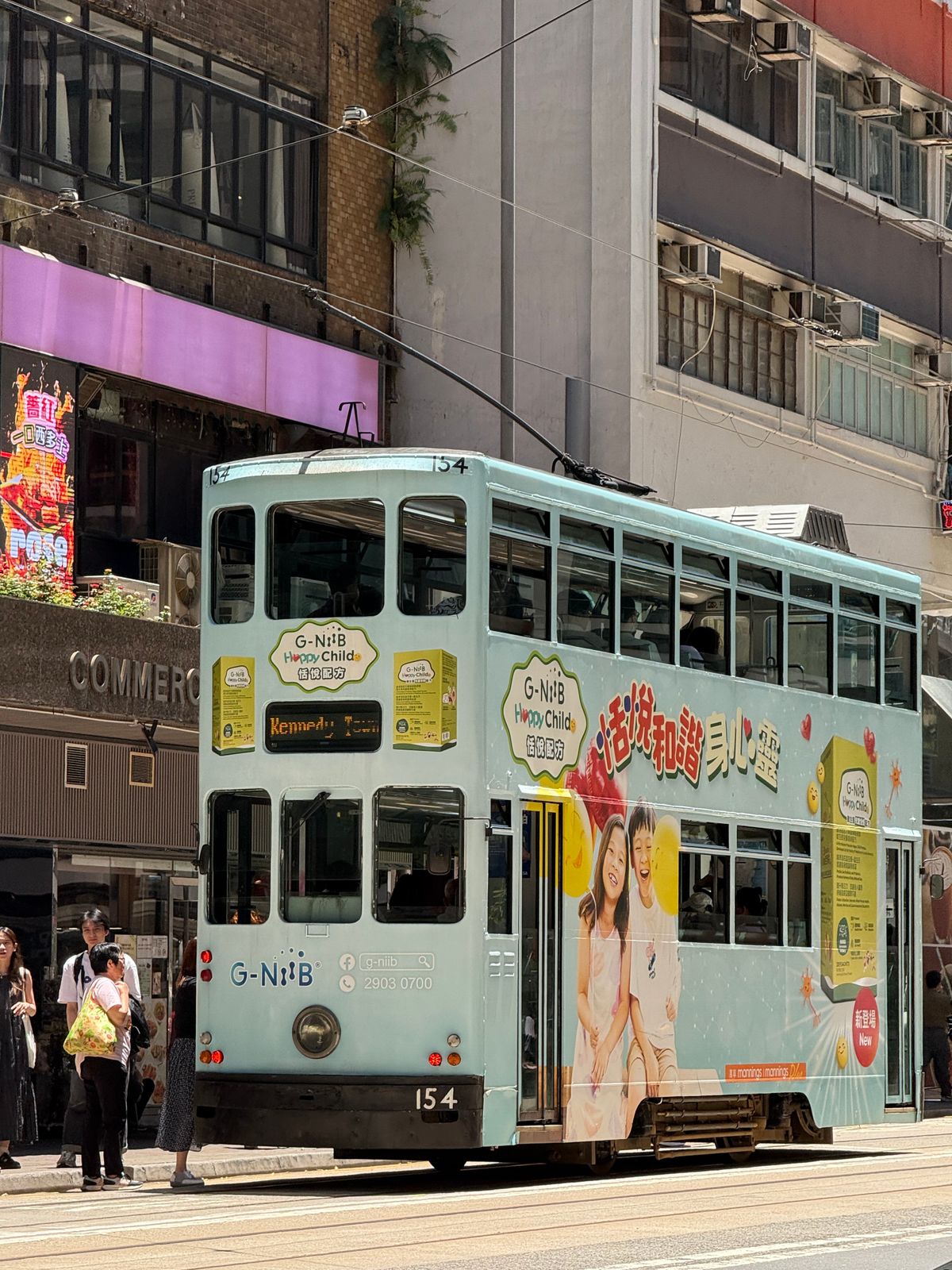
Explanation: A small kindness wrapped in three syllables. Older Cantonese aunties say it to children climbing stairs. Friends say it to friends who are panicking. In a city where 趕 is the default, 慢慢嚟 is permission to breathe.
7. 鬼咁快
gwai2 gam3 faai3 — Jyutping romanisation
Meaning: Ridiculously fast; "ghostly fast."
Explanation: The structure 鬼咁 + adjective means "extremely [adjective]." Pair it with 快 (fast) and you get the way Hong Kong people describe a courier who arrived in twelve minutes or a meal that vanished off the table. Slangy, vivid, and a little dramatic.
8. OT
oh-tee — English-loan slang (overtime)
Meaning: Working overtime; staying late at the office.
Explanation: One of those English borrowings that became more Cantonese than English. Hongkongers casually drop "OT" into Cantonese sentences without missing a beat. It is both a verb and a noun and a state of being.
9. 揗雞
tan4 gai1 — Jyutping romanisation
Meaning: Frantic; flustered; panicking like a chicken.
Explanation: The literal image is a chicken bouncing around in panic, and that is exactly how it feels. The phrase describes someone who is scrambling, stressed and visibly losing the plot — usually because they left too little time.
10. 趕住
gon2 zyu6 — Jyutping romanisation
Meaning: In a rush right now; in the middle of hurrying.
Explanation: The continuous form of 趕. It is the line you blurt out at a friend's question when you are sprinting across an MTR platform. The 住 particle here marks the action as ongoing — you are mid-rush, not just generally busy.
Speed and Stillness, Side by Side
The most Cantonese thing about this list is how it holds two ideas at once. The same city that invented 鬼咁快 and 揗雞 also invented 慢慢嚟. The same person who is OT every weeknight will eat dim sum for three slow hours on Sunday. Speed is survival, stillness is reward, and the language carries both.
📖 Related Articles
👉 Shop Cantonese Guy — Modern Streetwear for the Global Cantonese Community