

There is no more democratic institution in Hong Kong than the 茶餐廳 (caa4 caan1 teng1) — the cha chaan teng. Literally a "tea restaurant," the cha chaan teng is part diner, part social club, part culinary experiment, and entirely its own thing. It serves some combination of toast, eggs, noodle soup, macaroni, milk tea, coffee, and things that don't belong together in any rational cuisine but work magnificently in this one. It is fast, cheap, loud, efficient, and profoundly Cantonese even when serving a plate of spaghetti Bolognese.
How the Cha Chaan Teng Was Born
The cha chaan teng emerged in 1950s Hong Kong as a local response to the Western-style tea rooms and diners that catered to the city's colonial and middle-class populations. Those establishments were expensive and often unwelcoming to ordinary working Hong Kongers. The cha chaan teng offered an affordable alternative: a space where local people could eat Western-influenced food — toast, coffee, eggs, sandwiches — without the pretension or the price.
What resulted was not a simple imitation but a genuine hybrid cuisine. Cantonese cooks took Western ingredients and techniques and remixed them through their own culinary sensibility: toast became thick slices of bread grilled and spread with a mixture of butter and sweetened condensed milk; soup became a base for noodles and spam; coffee became Hong Kong-style coffee, stronger and darker than its Western counterpart, often mixed with milk tea to create the remarkable drink called 鴛鼴 (jyun1 joeng1).
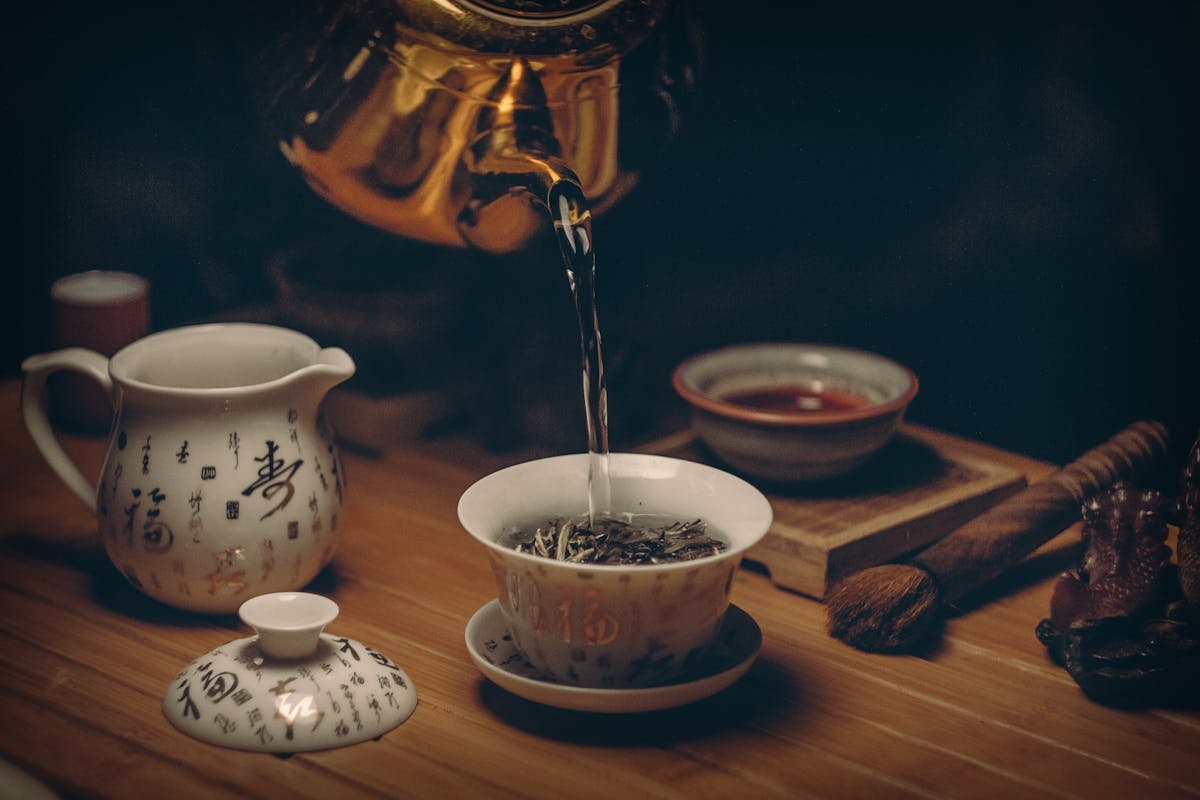
The Menu: What You Actually Order
Every cha chaan teng has its own personality, but certain dishes define the genre. Hong Kong milk tea (港式奶茶) — made by straining strong Ceylon tea through a silk stocking filter, then adding evaporated or condensed milk — is the benchmark drink and the one by which cha chaan tengs are judged. Get one in the morning with a set breakfast and you understand immediately why people travel to Hong Kong specifically for this cup.
决麓鼴 (jyun1 joeng1) — the coffee-tea blend — was invented in the cha chaan teng and remains one of Hong Kong's most distinctive contributions to global cafe culture. Equal parts strong milk tea and strong coffee, it is simultaneously more than either of its components. Its name means "mandarin ducks" — a symbol of harmonious opposites. 菠虐包 (bo1 lo4 baau1) with butter — the iconic pineapple bun split and filled with a thick slab of cold butter, the contrast of warm, flaky crust and cold fat one of the great sensory experiences in Cantonese food — is a non-negotiable morning ritual for thousands of Hong Kongers.
The macaroni in soup with spam or ham, served as a breakfast item, is the dish that most confuses first-time visitors and most immediately signals to Hong Kongers that they are home. The combination is somehow both jarring and deeply comforting: Italian pasta in a clear Cantonese stock, topped with Western processed meat. It should not work. It absolutely works.
The Atmosphere: Speed, Efficiency, and No Nonsense
A cha chaan teng operates at Hong Kong speed: fast. You will not be given time to linger over the menu. The order will be taken within moments of sitting down. The food will arrive in minutes. If you haven't decided, you will be given the set breakfast. This is not rudeness — it's the rhythm of a working-class institution that serves hundreds of people a day across a small number of tables.
The tables are typically laminate and slightly sticky. The stools or chairs are functional. The walls are often tiled, easy to wipe down. The television above the counter shows the news or a TVB drama at medium volume. Someone at the next table is reading a newspaper. This is normal. This is correct. The cha chaan teng does not care about ambience — it cares about getting hot food to hungry people as efficiently as possible, and in that goal it achieves something close to perfection.
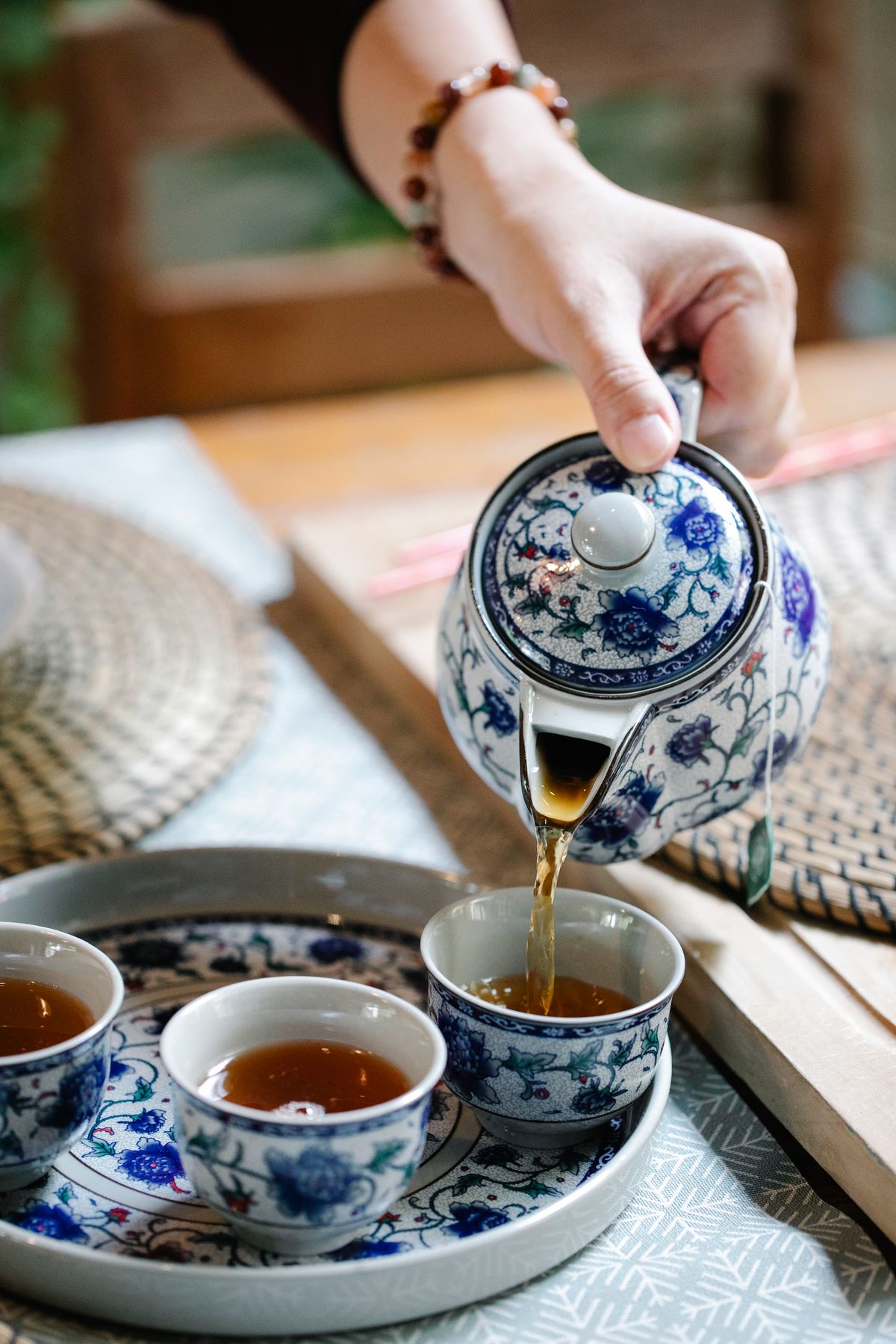
Cultural Recognition and the Fight for Survival
Hong Kong's cha chaan teng culture has been recognised as a significant intangible cultural heritage. The United Nations has acknowledged the cha chaan teng as part of Hong Kong's distinctive cultural identity. Yet many traditional establishments face pressure from rising rents and the difficulty of passing the business to the next generation. Each cha chaan teng that closes takes with it not just a restaurant but a community anchor — a place where generations of the same neighbourhood ate breakfast together for decades.
In the diaspora, cha chaan teng-inspired spaces have opened in London, Toronto, and New York, serving younger generations of the Cantonese community and introducing the culture to new audiences. They are imperfect approximations — the milk tea can never quite be the same without Hong Kong water, the butter is always a different brand — but they carry the spirit of something irreplaceable.
For more on Hong Kong cafe culture, read our dedicated guide to Hong Kong Milk Tea: The Perfect Cup and Its Colonial History and Bo Lo Bao: Inside Hong Kong's Most Beloved Bakery Icon.
📖 Related Articles
👉 Shop Cantonese Guy — Modern Streetwear for the Global Cantonese Community