

Cantonese sports vocabulary lives on courts, in parks, at the seaside promenade before sunrise, and inside the packed gyms of Causeway Bay. From 打波 at the outdoor basketball courts of Southorn Playground to grandparents doing 拉筋 in Victoria Park at 6 a.m., movement is stitched into daily Hong Kong life — and every activity has a word Cantonese uses in its own particular way.
Volume 41 covers 12 sports, exercise, and movement words you'll hear on every court, hiking trail, and running path from Sai Kung to Sheung Wan.
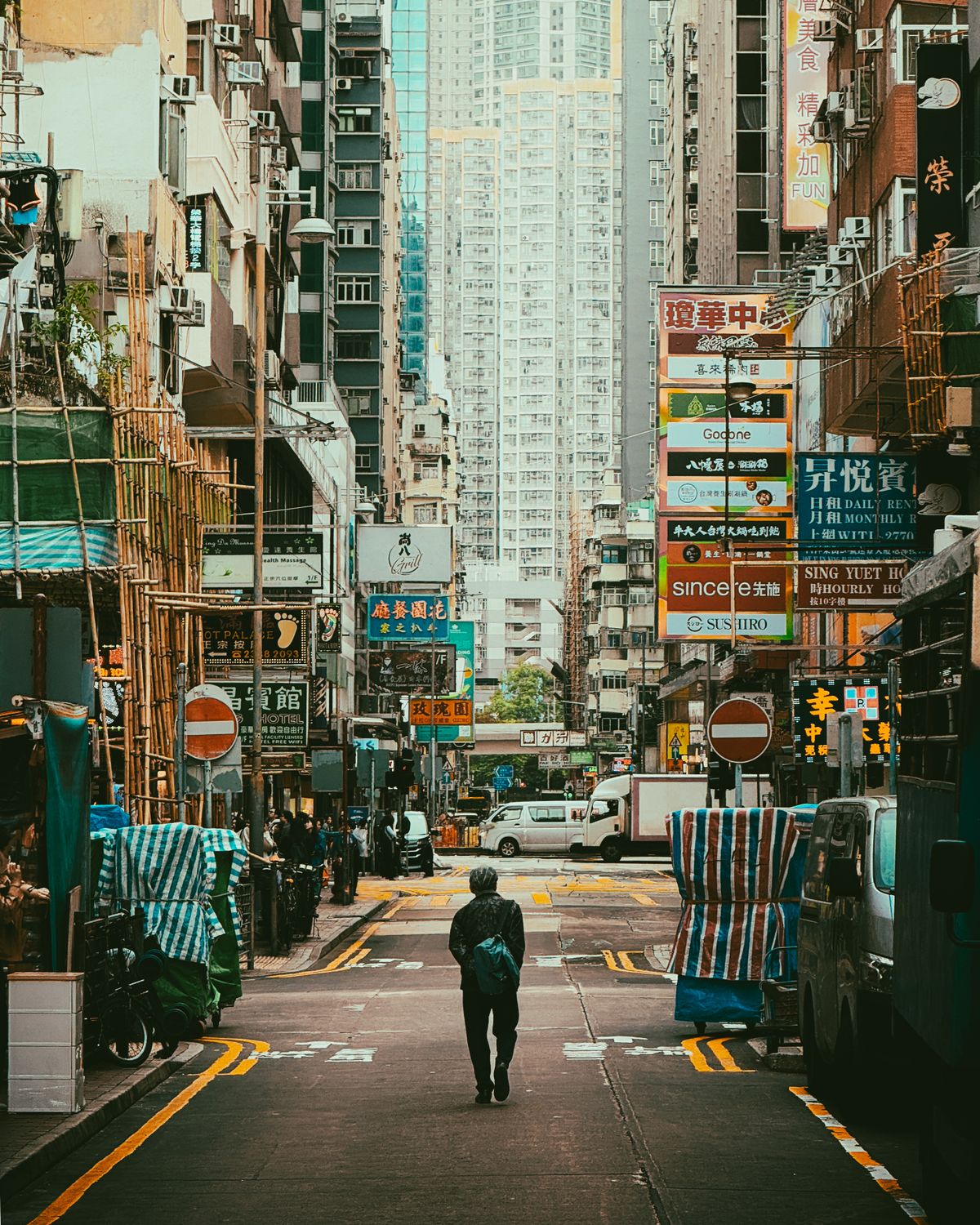
12 Cantonese Words for Sports, Exercise & Movement
1. 運動
wan6 dung6 — Jyutping romanisation
Meaning: Sport, exercise, physical movement.
Explanation: The umbrella term for any physical activity, from morning tai chi to marathon training. Hong Kongers use it broadly — "做運動" (to exercise) covers everything you'd do to move your body.
2. 打波
daa2 bo1 — Jyutping romanisation
Meaning: To play ball — basketball, tennis, badminton, volleyball, anything you hit with your hands or a racket.
Explanation: "波" (bo1) is Cantonese for "ball" (a loan sound from English). "打波" covers all ball sports except football, which is 踢波. If you're heading to a court after work, this is the phrase you use.
3. 踢波
tek3 bo1 — Jyutping romanisation
Meaning: To play football (soccer).
Explanation: Football is the one ball sport that gets its own verb — literally "kick ball." From street kids at Kwun Tong to the Hong Kong Premier League, 踢波 is the word for a beautiful game done with the feet.
4. 跑步
paau2 bou6 — Jyutping romanisation
Meaning: To run, to jog.
Explanation: Whether it's a 5K around Kowloon Park or the annual Standard Chartered Hong Kong Marathon, 跑步 is what you're doing. The city's obsession with morning jogging along the Tsim Sha Tsui promenade is a whole subculture.
5. 游水
jau4 seoi2 — Jyutping romanisation
Meaning: To swim (literally "swim water").
Explanation: Cantonese uses 游水 for swimming, not 游泳 (jau4 wing5) which is more formal. In summer, Hong Kongers head to Repulse Bay or Shek O to 游水 — a rite of every hot weekend.
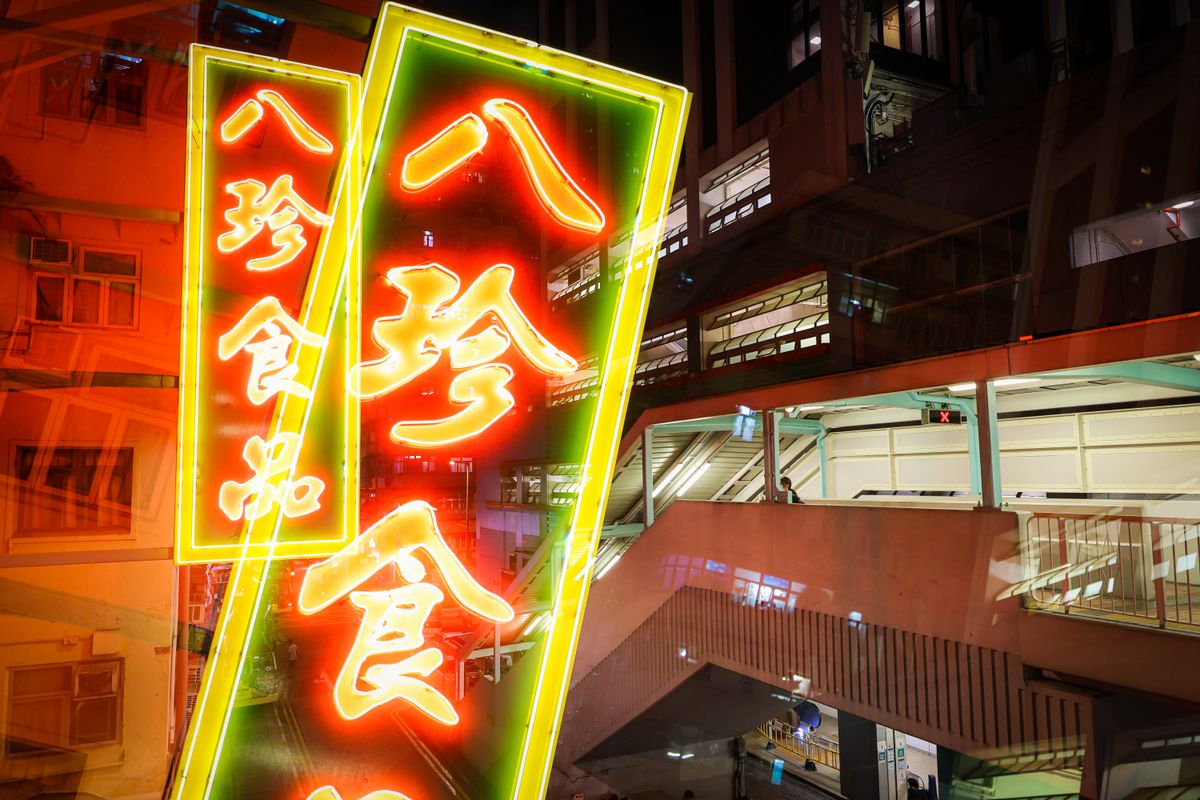
6. 行山
haang4 saan1 — Jyutping romanisation
Meaning: To hike (literally "walk mountain").
Explanation: Hong Kong is roughly 70% country park, and 行山 is a national pastime. Whether you're doing Dragon's Back, Lion Rock, or the MacLehose Trail, this is the word every hiker uses.
7. 健身
gin6 san1 — Jyutping romanisation
Meaning: To work out at the gym; fitness training.
Explanation: Modern Hong Kong is gym-obsessed — Pure Fitness, Physical, and countless smaller boutique gyms line every commercial district. "去健身" (go do fitness) is the phrase you'll hear from anyone who trains after work.
8. 波鞋
bo1 haai4 — Jyutping romanisation
Meaning: Sneakers, sports shoes (literally "ball shoes").
Explanation: One of Cantonese's best word-builds — because the shoes were originally for playing 波 (ball), they're called 波鞋. Sneakerheads in Mong Kok's Fa Yuen Street (aka Sneaker Street) all shop for 波鞋.
9. 熱身
jit6 san1 — Jyutping romanisation
Meaning: To warm up (literally "hot body") before exercise.
Explanation: Every PE class, every gym session, every kickabout starts with 熱身. It's the pre-workout ritual — jogging in place, arm swings, ankle rolls — before the real thing begins.
10. 出汗
ceot1 hon6 — Jyutping romanisation
Meaning: To sweat (literally "come out sweat").
Explanation: In Hong Kong's humidity, you 出汗 the moment you step outside in July. In exercise contexts, breaking a sweat is a badge of honour — proof the workout was worth it.
11. 拉筋
laai1 gan1 — Jyutping romanisation
Meaning: To stretch (literally "pull tendon").
Explanation: Watch any Hong Kong park at dawn and you'll see aunties and uncles 拉筋 against tree trunks and railings. Post-workout stretching, yoga, hip openers — all of them qualify.
12. 波友
bo1 jau5 — Jyutping romanisation
Meaning: A sports buddy — someone you regularly play ball with.
Explanation: A beautifully specific Cantonese term. A 波友 isn't a close friend or a teammate — it's the guy from your regular Wednesday night basketball run, or the group you play badminton with at the community hall. Sport-based friendship gets its own vocabulary.
Sport Is Cantonese
In a city where the average apartment fits into 400 square feet, sport is how Hong Kongers claim public space. The courts of Southorn Playground, the trails of Sai Kung, the running paths along Victoria Harbour — these are Cantonese cultural sites as much as any old temple or wet market. Learning the words that live there is learning the city's rhythm.
📖 Related Articles
👉 Shop Cantonese Guy — Modern Streetwear for the Global Cantonese Community