

Every Cantonese kid who grew up in Hong Kong — or in a diaspora household where mum still asks about your gung1 fo3 — knows these words in their bones. School vocabulary is the first slice of adult life you ever learn in Cantonese, and it stays with you long after your last haau6 fuk6 ends up in a memory box. Whether you learned them from your grandmother in Kowloon or your mum in a Vancouver kitchen, these 10 words are the shared classroom soundtrack of a generation of Cantonese speakers.
The Vocabulary of Every Cantonese Classroom
1. 返學
faan1 hok6 — Jyutping romanisation
Meaning: To go to school.
Explanation: Literally "return to study." In Cantonese, going anywhere routine — work, school, home — often uses 返 (faan1), which suggests coming back to where you belong. Every Cantonese parent has yelled this at a sleepy kid at least a thousand times.
2. 放學
fong3 hok6 — Jyutping romanisation
Meaning: To be released from school; end of the school day.
Explanation: Literally "release from study." The two most magical syllables in a Hong Kong child's day — the sound of freedom, curry fish balls at the tuck shop, and running to the MTR with your best friend.
3. 校服
haau6 fuk6 — Jyutping romanisation
Meaning: School uniform.
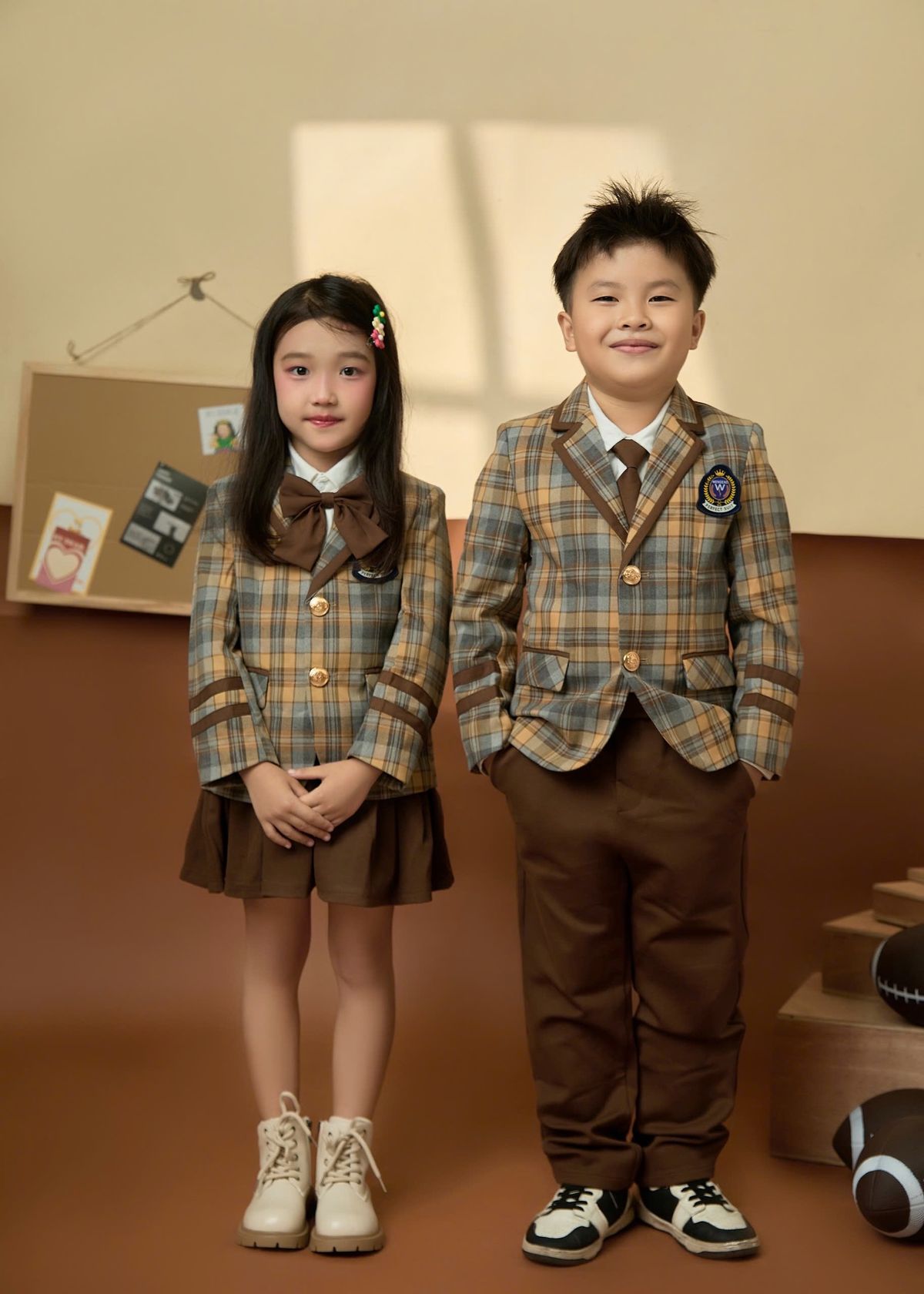
Explanation: Hong Kong takes school uniforms seriously — pleated skirts, starched collars, embroidered crests, all ironed the night before by mum. Alumni still recognise each other decades later by uniform design alone.
4. 功課
gung1 fo3 — Jyutping romanisation
Meaning: Homework.
Explanation: Literally "work + subject." A single word that once contained a whole evening of Hong Kong childhood — the reason you rushed dinner, argued with your dictée, and cried at 10pm over Chinese composition.
5. 老師
lou5 si1 — Jyutping romanisation
Meaning: Teacher.
Explanation: A respectful term of address for any teacher, from primary school to university. In Hong Kong culture, calling someone 老師 carries genuine weight — teachers are figures of authority you're expected to bow slightly to, even years after graduation.
From Classroom to Exam Room
6. 同學
tung4 hok6 — Jyutping romanisation
Meaning: Classmate; fellow student.
Explanation: Literally "same study." It's also how teachers address students collectively in class. When two adults discover they went to the same secondary school, calling each other 同學 instantly creates a bond older than either of them realises.
7. 上堂
soeng5 tong4 — Jyutping romanisation
Meaning: To attend class; to be in a lesson.
Explanation: The everyday Cantonese equivalent of "I'm in class." 上 (soeng5) means to go up; 堂 (tong4) refers to the hall or session. When your phone buzzes at 10am and you're too polite to reply, this is what you text back.
8. 溫書
wan1 syu1 — Jyutping romanisation
Meaning: To study; to revise for exams.
Explanation: 溫 (wan1) literally means "to warm" — the beautiful Cantonese image is warming a book back to life so its content stays fresh in your head. Every Hong Kong student has 溫書'd at 2am in a McDonald's the night before an exam.
9. 考試
haau2 si3 — Jyutping romanisation
Meaning: Exam; test.
Explanation: The single scariest word in a Hong Kong child's vocabulary. From primary school dictation to the DSE public exams that decide university placement, this word carries the entire weight of Hong Kong's high-stakes education culture.
10. 補習
bou2 zaap6 — Jyutping romanisation
Meaning: Tutoring; extra tuition after school.
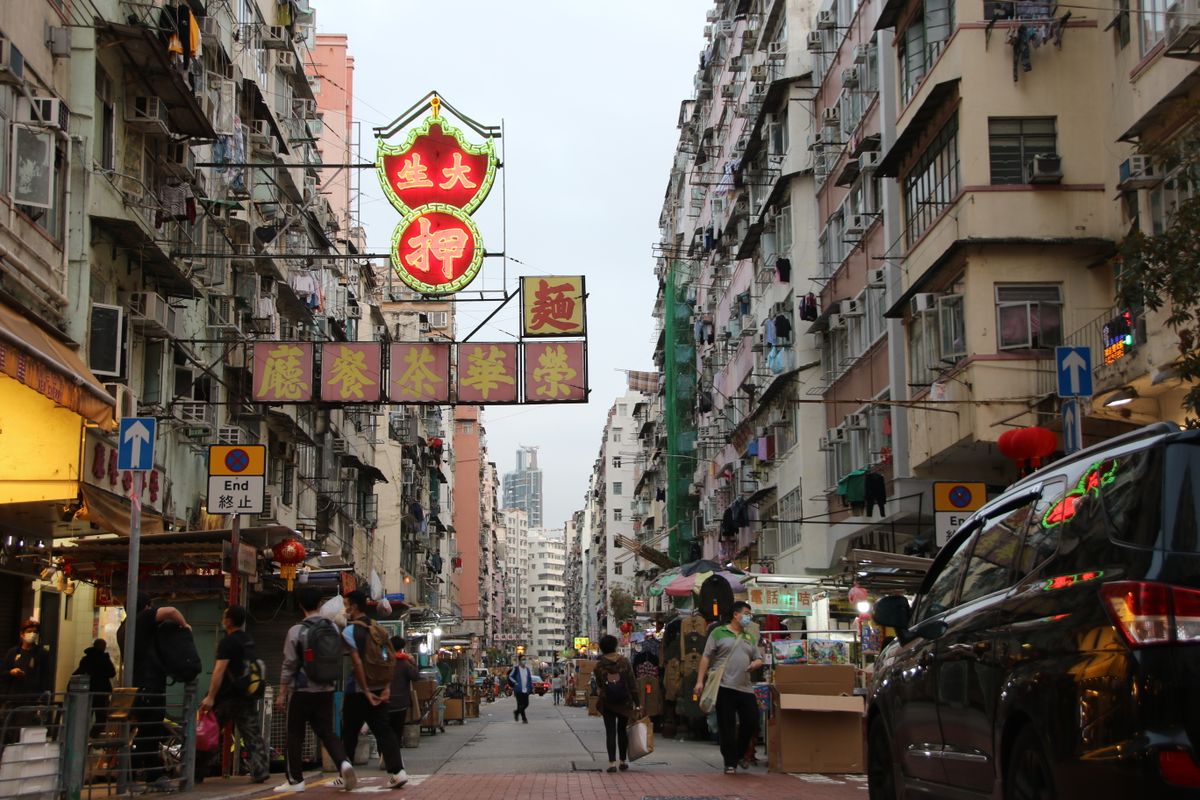
Explanation: Literally "to supplement + to learn." Hong Kong invented modern celebrity tutor culture — Kowloon buildings are still plastered with glossy photos of star 補習 teachers charging thousands per session. A whole city's education runs on this word.
Why These Words Still Follow the Diaspora
If your parents grew up going to school in Hong Kong, chances are these words still circle your childhood memories — even if English replaced Cantonese as your dominant language somewhere along the way. Family group chats still ask if you've done your gung1 fo3. Cousins from Kowloon still greet you at family dinners with 同學仔. School vocabulary is where the mother tongue keeps its grip longest, because school is where identity gets built.
If you've enjoyed this volume, catch up with our earlier dictionary posts to keep building your Cantonese muscle memory: Vol. 51 on compliments and praise, Vol. 50 on superstitions, and Vol. 43 on family words.
📖 Related Articles
👉 Shop Cantonese Guy — Modern Streetwear for the Global Cantonese Community