

Cantopop's Golden Era: How Hong Kong Music Shaped a Generation
Meta description: Explore Cantopop's golden era (1980s–1990s). Discover how Leslie Cheung, Alan Tam, and the Four Heavenly Kings dominated global pop culture and shaped diaspora identity.
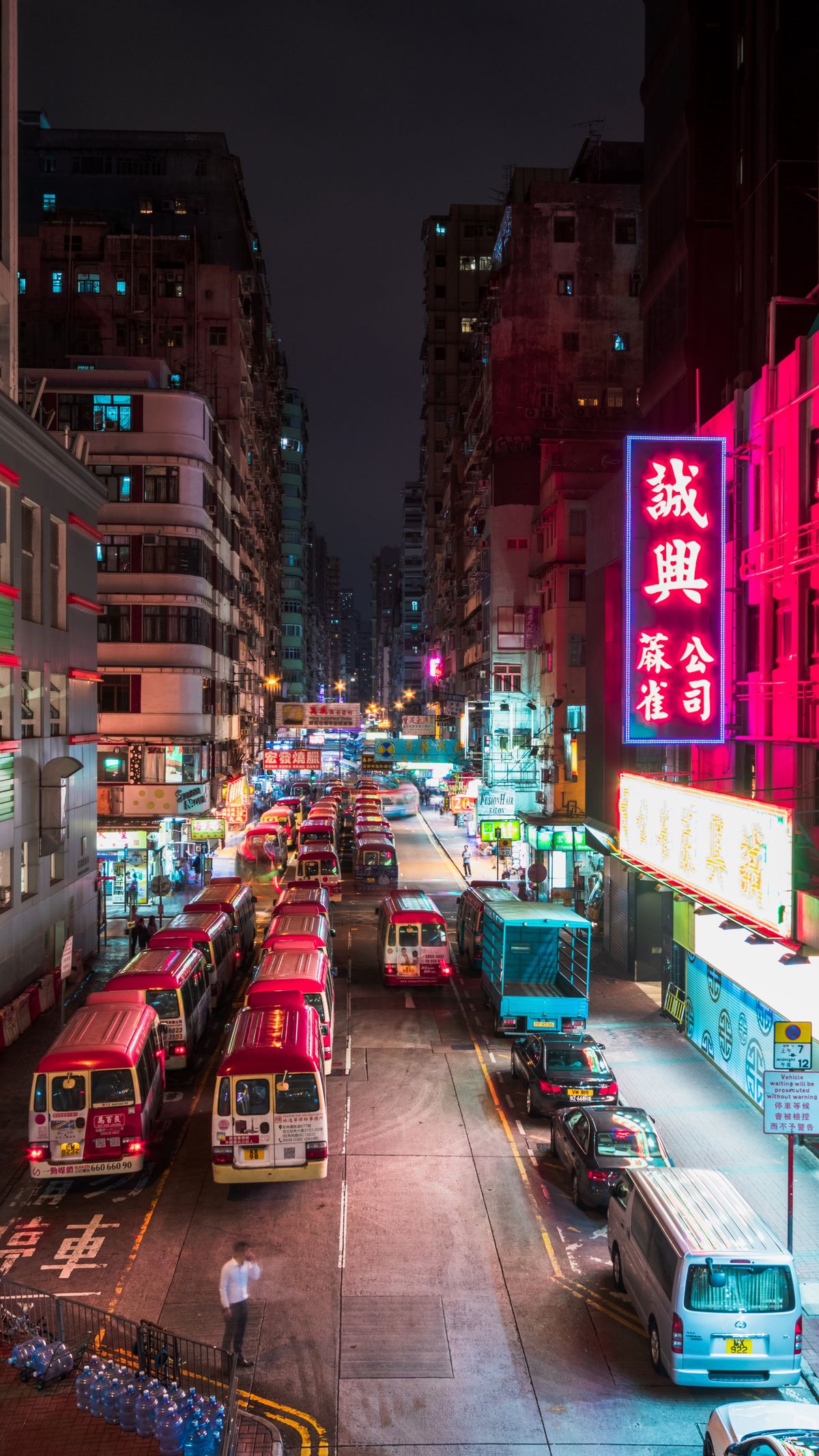
The 1980s arrived in Hong Kong with a boom. The British colony was approaching its end, the economy was surging, and the culture was exploding with confidence. From dim supper clubs to concert halls, a new sound was emerging—Cantopop, Cantonese pop music. Within a decade, it would dominate Asia and become the heartbeat of global Cantonese diaspora communities.
The Birth of Cantopop: A New Identity
Before Cantopop, Hong Kong's music scene was dominated by covers of Western and Japanese hits. Local artists would adapt foreign melodies to Cantonese lyrics—a practical solution, but creatively limiting. The real revolution came when record labels and producers realized that Cantonese music didn't need to borrow. It could stand alone, with its own identity, its own sound.
The early 1980s saw the emergence of Cantopop as a legitimate genre. Artists like Danny Chan Pak-keung, Leslie Cheung Kwok-wing, and Alan Tam Wing-lun weren't just singers—they were icons who defined what it meant to be modern, cosmopolitan, and Cantonese simultaneously. Their music blended Western pop production with Cantonese lyrics, creating something entirely new.
The Golden Age Icons: Danny, Leslie, and Alan
Danny Chan Pak-keung was the warm, charming everyman—known for ballads that made listeners feel understood. Leslie Cheung Kwok-wing was the visionary androgyne, pushing boundaries with art rock and avant-garde staging. Alan Tam Wing-lun was the melodic genius, releasing album after album of infectious pop songs.