

In Cantonese cuisine, there are dishes that impress and dishes that reveal. 清蔭魚 — steamed fish — does both. It is one of the simplest preparations in all of Chinese cooking, and yet it is the dish that separates a true Cantonese kitchen from everything else. No rich sauces to hide mistakes, no strong spices to compensate for mediocre ingredients. Just a fresh whole fish, a bamboo steamer, and the confidence of knowing that your ingredients don't need help.
The Philosophy of Freshness
To understand 清蔭魚, you must first understand the central creed of Cantonese cooking: freshness is everything. The Cantonese word 清淡 (ching1 daam6) — meaning light, clean, and fresh — is the culinary ideal. Where other regional Chinese cuisines celebrate complexity and bold flavour, Cantonese cooking at its finest is an exercise in restraint. A great steamed fish should taste primarily of the sea, with aromatics that lift rather than dominate.
This philosophy shaped an entire food culture. Cantonese restaurants in Hong Kong and Guangzhou traditionally kept fish alive in tanks until the moment of order. The fish was selected, killed, and on the table within minutes. That standard — alive until you eat it — is still the benchmark in serious Cantonese kitchens today, from Guangzhou's seafood-mad Xiguan district to the great dai pai dong stalls of Sham Shui Po.
The Technique: Simple, Precise, Unforgiving
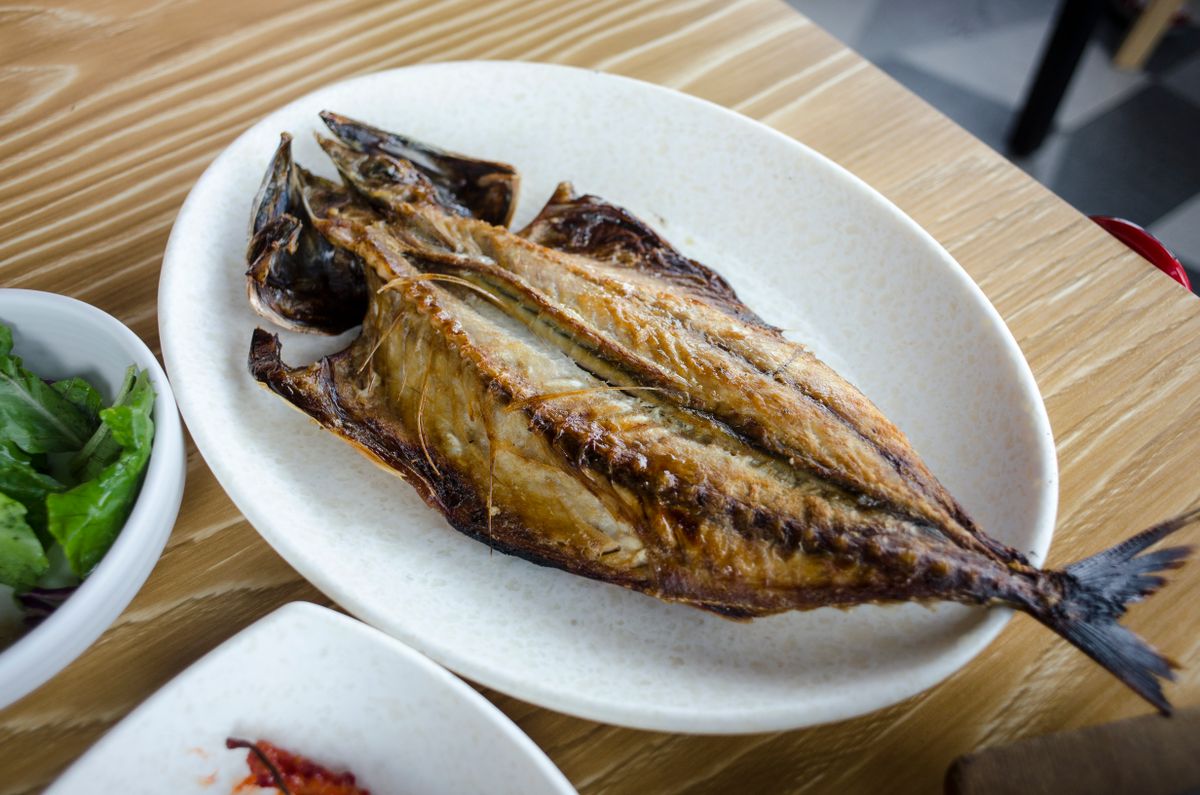
The method for 清蔭魚 has remained largely unchanged for generations. The fish — typically a whole grouper (石班), sea bass (鱸魚), or grey mullet — is cleaned and scored lightly on each side. It rests on chopsticks inside a steaming plate, elevated so steam circulates underneath. Julienned ginger goes inside the cavity to eliminate any fishiness. The whole fish steams for exactly 7 to 10 minutes over high heat, depending on size. Timing matters enormously: a minute too long and the flesh turns from silky to chalky, which is considered unforgivable in a Cantonese household.
Once off the heat, the magic happens in rapid sequence. The cooking liquid is poured off — it has absorbed the fishy steam and must be discarded. Fresh ginger julienne and spring onion strips are laid across the fish. Then comes the moment of alchemy: a ladleful of smoking-hot oil — peanut oil or vegetable oil — is poured over the fish in a sizzling cascade, wilting the aromatics instantly and locking in their fragrance. A measured pour of premium soy sauce — often light soy sauce mixed with a touch of sesame oil and sugar — is streamed around the fish plate. The dish arrives at the table still crackling.
Fish of Choice: Status and Symbolism
The choice of fish for 清蔭魚 carries social weight. Grouper (石班魚) is the prestige fish of Cantonese dining, prized for its firm, sweet flesh and the fact that it remains tender even under the scrutiny of steaming. At traditional Cantonese banquets and family celebrations, presenting a whole steamed grouper is a statement of generosity and respect. Sea bass (鱸魚) occupies the everyday tier — still exceptional, more accessible. Tilapia (feiʰzaiʰ) is the humble neighbourhood option, beloved for its mild flavour and forgiving texture.
Fish also carries deep symbolic meaning in Cantonese culture. The word for fish (魚, jyu2) sounds like the word for surplus or abundance (餘, jyu4), making steamed fish a near-mandatory dish at Lunar New Year tables, birthdays, and wedding banquets. Serving a whole fish — head and tail intact — symbolises completeness and good fortune. Cutting off the head or tail before serving, in most traditional households, is simply not done.
The Diaspora and the Steamed Fish Test
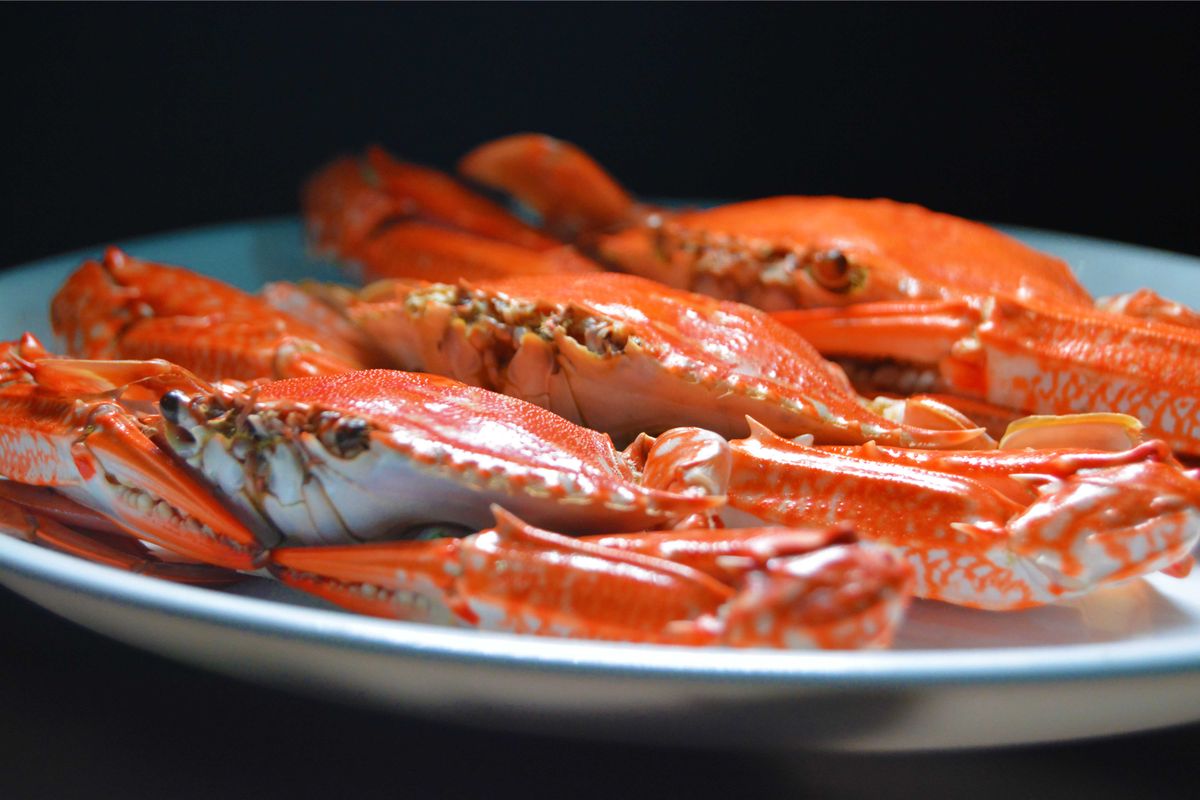
Among the Cantonese diaspora — in Vancouver, Sydney, London, and San Francisco — 清蔭魚 has become a kind of cultural litmus test. A grandmother's steamed fish, done exactly right, is a direct line back to Guangdong. For many diaspora families, replicating it perfectly in a foreign kitchen — finding the freshest fish, sourcing the right light soy sauce, perfecting the hot oil pour — is one of the most important acts of cultural preservation there is. When you nail it, you're not just cooking. You're transmitting something.
At 漢語仱4(コ)Cantonese Guy, that's exactly the spirit we bring to everything we do. The same attention to craft, the same pride in cultural authenticity, just expressed through wearable art instead of a bamboo steamer.
Make It at Home: The Essentials
If you want to attempt 清蔭魚 at home, a few things are non-negotiable: the freshest whole fish you can find, a steamer large enough to hold it flat, premium light soy sauce, and the courage to pour smoking-hot oil at the table. The rest — the ginger, the spring onion, the confidence — will come with practice. Start, and keep starting, until the fish speaks for itself.
📖 Related Articles
👉 Shop Cantonese Guy — Modern Streetwear for the Global Cantonese Community