

As of mid-2024, only 17 dai pai dong (大牌欄) remain licensed in Hong Kong. Once numbering in the hundreds, these open-air food stalls — with their plastic stools, round metal tables, and the thunderous clang of a wok over a roaring flame — were the original dining rooms of Hong Kong's working class. Their disappearance is not just the loss of a type of restaurant. It's the loss of a way of life, and one of the most distinctive sensory experiences in all of Cantonese culture.
What Is a Dai Pai Dong?
The name 大牌欄 (daai6 paai4 dong3) translates literally as "big licence stall." The name comes from the large physical licence plaques the stalls were required to display — significantly larger than the small licences held by other food vendors, because they included a photograph of the licensee. That large placard — the 大牌 (daai6 paai4) — gave the stalls their identity and their name.
Unlicensed food stalls providing cheap everyday food — congee, rice, noodles — had existed in Hong Kong since the late 19th century. After World War II ended in 1945, the British Hong Kong government formalised the system by issuing licences to families of deceased and injured civil servants, giving them a means of earning a living. These licences allowed them to operate public food stalls on the street, and the dai pai dong era properly began.
The Golden Age: When Everyone Ate Outside
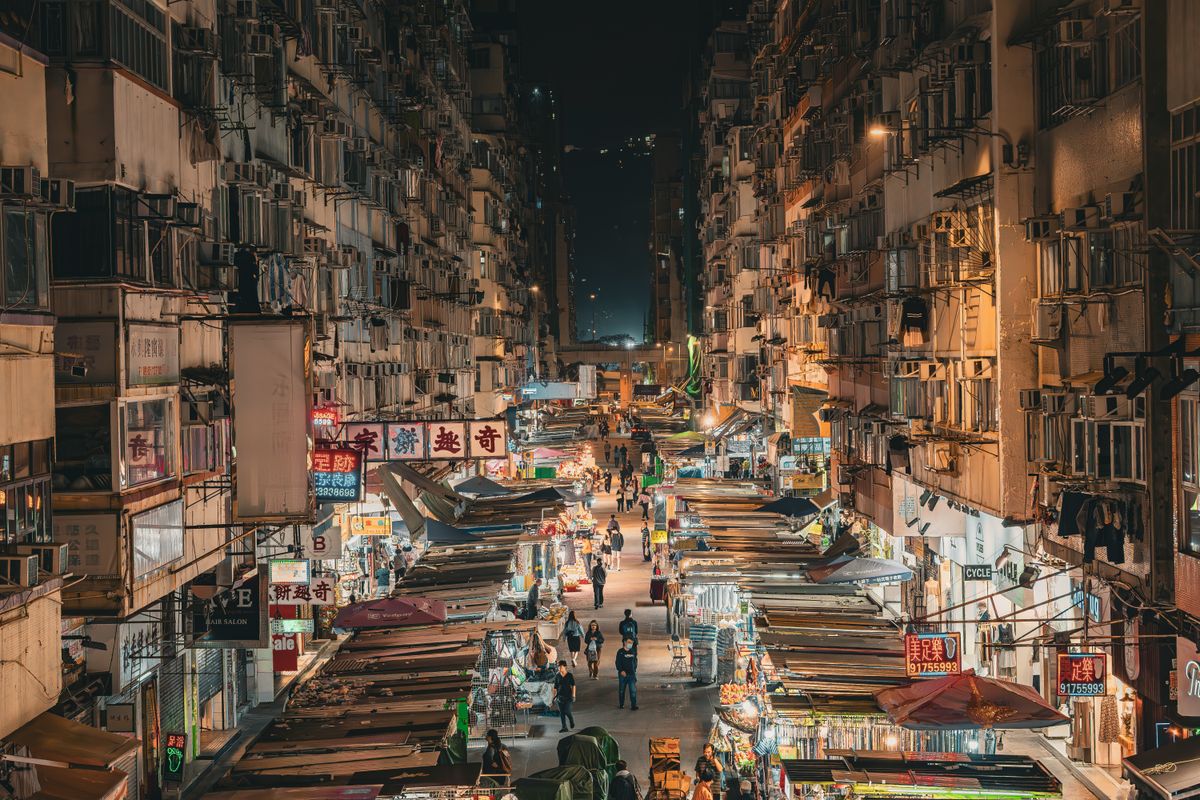
In their heyday, dai pai dong were everywhere in Hong Kong: on side streets and under flyovers, in the wet markets and along the harbour. They were democratic spaces — bankers and construction workers, students and elderly grandmothers, all sitting elbow to elbow on the same plastic stools, eating from the same menu. The food was fast, furious, and deeply flavourful: stir-fried beef in oyster sauce, fried rice with egg and spring onion, clay pot tofu, wonton noodle soup, steamed fish in ginger and soy.
The defining characteristic of dai pai dong cooking is wok hei (鍋氣) — the breath of the wok, that smoky, charred, almost impossible-to-replicate quality that comes from cooking over extremely high heat in a seasoned wok. Dai pai dong cooks, working over roaring outdoor burners with no ventilation constraints, could achieve wok hei at its most intense. Many food lovers argue that you simply cannot get wok hei like this anywhere else.
Decline: The Policy That Doomed an Institution
The government stopped issuing new dai pai dong licences in 1956 — just a decade after creating them. The justification was public hygiene, but the effect was to slowly strangle the institution. Licences could only be transferred to immediate family members, and this restriction became increasingly limiting as the original licensees aged. In 1983, the government began actively buying back licences with cash compensation — incentivising the remaining operators to close.
By 2014, only 25 remained. By mid-2024, just 17. Most are now concentrated in specific areas: the cluster in Sheung Wan around Graham Street, the famous Cooked Food Centre in Mong Kok (which preserves the atmosphere if not the street setting), and a handful of survivors in the New Territories. Each closure is noted in the Hong Kong press as a small civic funeral.
What Dai Pai Dong Actually Feel Like
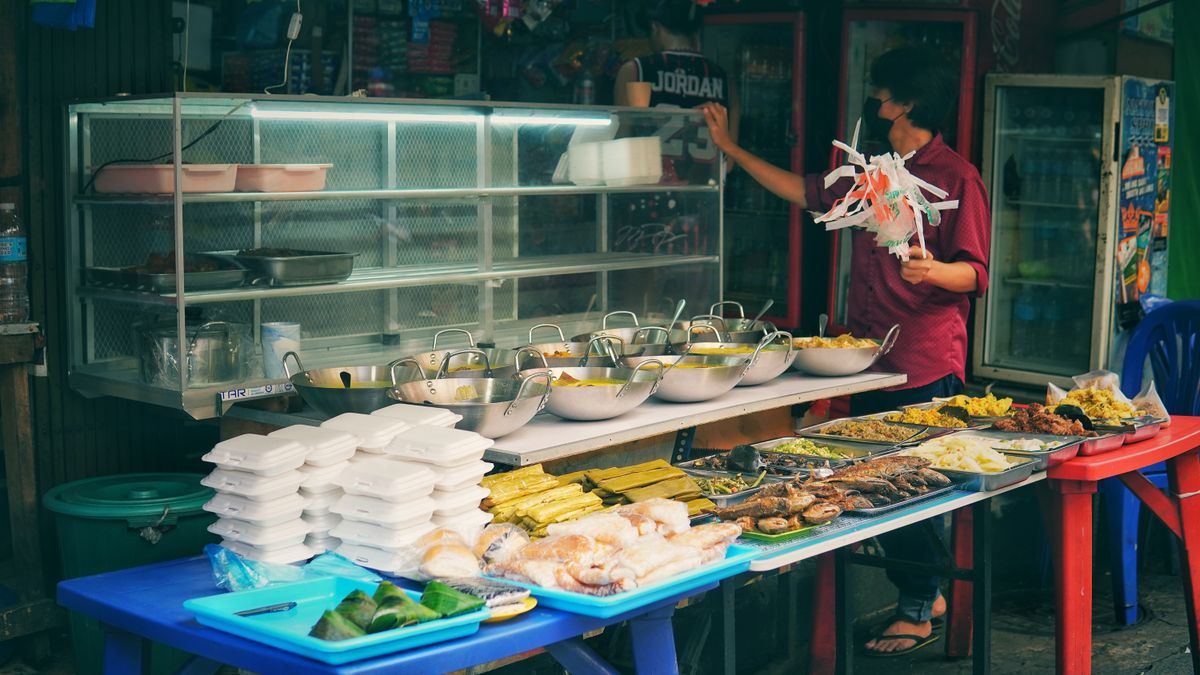
If you've never eaten at a real Hong Kong dai pai dong, no amount of description fully prepares you. The noise hits first: the percussive clang of the wok, the hiss of oil hitting the hotplate, voices calling orders across the tables, the roar of the burners. Then the smell: garlic and ginger hitting the wok, dried shrimp, the caramel of oyster sauce. You sit where there's space — the host will point you somewhere — and someone deposits a menu in front of you without ceremony.
The food arrives fast. The beer arrives even faster. The bill, when it comes, is always a surprise: cheaper than you expected. Eating at a dai pai dong is the opposite of fine dining. It is raw, communal, urgent, and often the best meal you'll have all year.
Keeping the Spirit Alive
The dai pai dong may be disappearing as a licensed institution, but its spirit lives on. Hong Kong's indoor cooked food centres try to preserve the atmosphere. A growing wave of Cantonese chefs in the diaspora — in London, Toronto, Sydney, and New York — are cooking dai pai dong-style food: high heat, simple ingredients, maximum flavour. And the cultural memory of the dai pai dong, passed down through stories and through the insistence on wok hei as the benchmark of Cantonese cooking, shapes how the global community thinks about what great food should feel like.
Read more about Hong Kong food culture in our guides to Hong Kong Night Markets and Wok Hei: The Fire and Philosophy of Cantonese Cooking.
📖 Related Articles
👉 Shop Cantonese Guy — Modern Streetwear for the Global Cantonese Community