

Walk into any Cantonese kitchen on a Sunday afternoon and you'll smell it before you see it: something bone-based and patient, sitting on the lowest flame the stove will produce, going on hour four. That is 老火湯 (lou5 fo2 tong1) — "old fire soup" — the slow-simmered broth that anchors every proper Cantonese meal.
It's not a starter. It's the dish that decides how the rest of the meal is judged. If the soup is thin or hurried, everything else feels off. Get the soup right, and the whole table exhales.
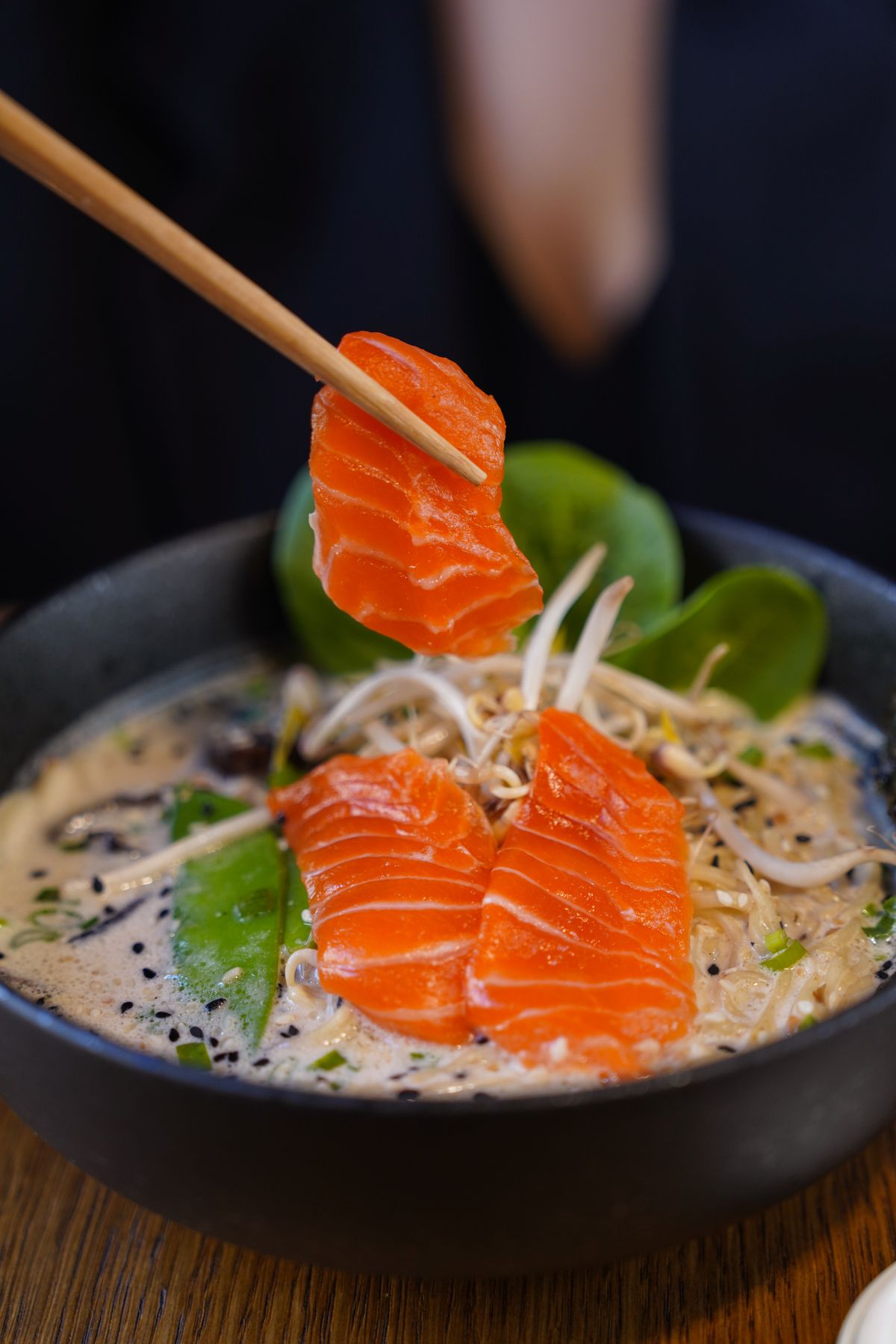
What actually goes in the pot
There is no fixed recipe for lou fo tong — that's the point. A Cantonese home cook decides what to put in based on the season, the weather that week, and the health of whoever is eating. A typical build looks like this: on-the-bone pork or chicken for depth, a starchy anchor like lotus root or Chinese yam, a fruit or dried fruit for sweetness (dried longan, honey dates, apple), and a handful of medicinal herbs or dried ingredients. Then water. Then time.
The pot is brought up to a boil, skimmed, and dropped down to a whisper of a flame for two to six hours. No stirring. No fussing. The bones surrender collagen, the herbs give up their flavours, and the whole thing turns into something clear, silky, and complex — the opposite of a quick stock. The technique sits inside the same tradition as Cantonese steamed fish: minimum interference, maximum respect for the ingredient.
Soup as seasonal medicine
Lou fo tong sits at the crossroads of Cantonese cuisine and traditional Chinese medicine. Each season calls for a different combination. In spring, cooks pick ingredients that "expel dampness" — mung beans, adzuki beans, winter melon. In humid summer, they lean cooling: bitter melon, watercress, dried kelp. In autumn, moistening ingredients like snow pear, apricot kernel, and sweet almond come out. In winter, the pot deepens with fatty pork bones, ginger, and warming herbs like astragalus (北花) and dried longan.
Ask a Cantonese mother why she made a particular soup and she'll usually explain in terms of body condition, not flavour: "You look tired — I put in some 點點," or "It's been damp this week, you need to drink this." Soup is preventive medicine. Long before it's food.
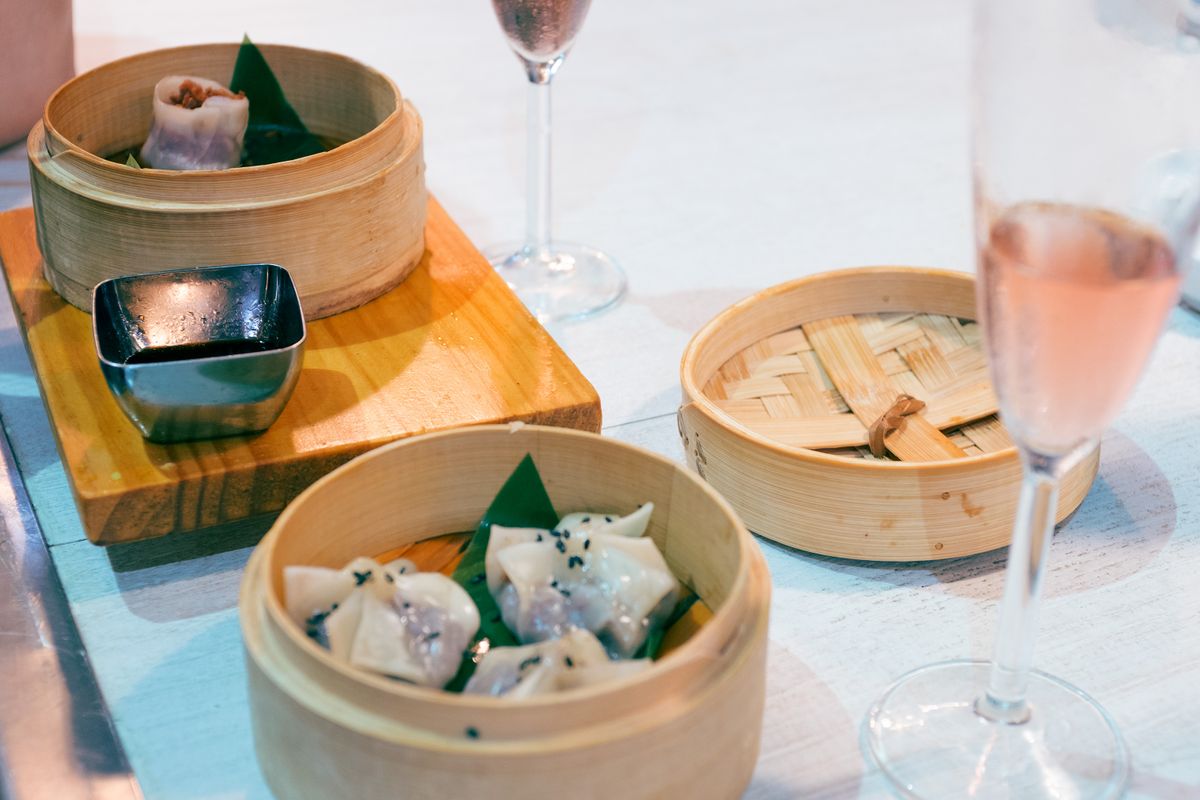
The Sunday soup ritual
In Guangdong and Hong Kong, Sunday is soup day. The pot gets set up mid-morning and gently ticks over until the family gathers for dinner. Nobody "makes" the soup during the day — it just becomes. That patient, low-effort presence is part of the whole point. It's kitchen tradition and clock all at once.
For the Cantonese diaspora, this ritual becomes a lifeline. In Vancouver, London, San Francisco and Sydney, first-generation grandmothers will drive across town to a Chinese grocery to get the exact dried ingredients — dried fish maw, dried scallops, dried mushrooms — they need for a specific soup that reminds them of home. Second-generation kids often only recognise how sacred that ritual was once they've moved out. Suddenly the smell of a slow-simmered broth becomes the smell of a mother's love. Every Cantonese community around the world has this story — you can read more about the Chinatowns that keep the tradition alive in our piece on the Cantonese community in Vancouver and London's Chinatown.
Five classic lou fo tong combinations to know
These are five broths you'll meet again and again in Cantonese homes and restaurants — each one built for a specific purpose:
猪骨羊斱湯 (zyu1 gwat1 joeng4 zaan1 tong1) — Pork bone and watercress: The classic cooling soup for humid days. Watercress carries a gentle bitterness that Cantonese diners love; the pork bone adds body.
班兿鴿羊六二湯 (baan1 laan4 jung6 baak6 laap6 nap6 tong1) — Chicken with figs and almonds: Autumn moisturising soup. Fig-based sweetness with a soothing effect on the throat.
土陳湯 (tou2 fuk1 tong1) — Poria and pork rib: An easy weekday soup with drying, digestion-supporting properties. A Guangdong favourite when someone in the family has been a little bloated.
苦瓜陳皮麩⺫⺫骨湯 (fu2 gwaa1 zan4 pei4 baan5 gwat1 tong1) — Bitter melon, dried tangerine peel and pork rib: The classic "cool your body down" summer soup. That signature bitter edge is the whole medicinal point.
蕻英紅棗雞湯 (waai4 saan1 hung4 zou2 gai1 tong1) — Chinese yam, red dates and chicken: The universal restorative. Given to students during exams, to mothers after childbirth, and to anyone who's been "working too hard."
Why this soup matters beyond food
Lou fo tong is one of the last unhurried acts in modern Cantonese life. In a culture that invented the phrase 快啦 (faai3 laa1) — "hurry up already" — the fact that generations of Cantonese cooks still willingly spend six hours making a broth says something important. It says some things aren't allowed to be optimised. It says slowness itself is love. That patience — built into the language, the kitchen, the calendar — is exactly what modern Cantonese streetwear is trying to preserve and remix. Learn more about that thread in our take on how Cantonese youth are reclaiming identity through streetwear.
📖 Related Articles
👉 Shop Cantonese Guy — Modern Streetwear for the Global Cantonese Community