

Picture this: a 19-year-old kid born in Tai Po and raised in Hong Kong's working-class Diamond Hill, supporting his family by cutting hair, decides to apply to a TVB acting training program. He doesn't sing. He has never acted. Forty-five years later, that same kid holds the Guinness World Record for the most music awards by a Cantopop male artist. His name is Andy Lau Tak-wah (劉德華) — and to understand modern Hong Kong pop culture, you have to understand him.
Andy Lau isn't just a star. He's an industry. One of the Cantopop Four Heavenly Kings, one of TVB's Five Tiger Generals, and one of the few Asian actors who has gracefully outlasted every generation that came up to overtake him. This is the story of how a quiet, hard-working Cantonese kid built one of Asia's most extraordinary careers — without ever quite leaving home.
The Tai Po Boy Who Walked Into TVB
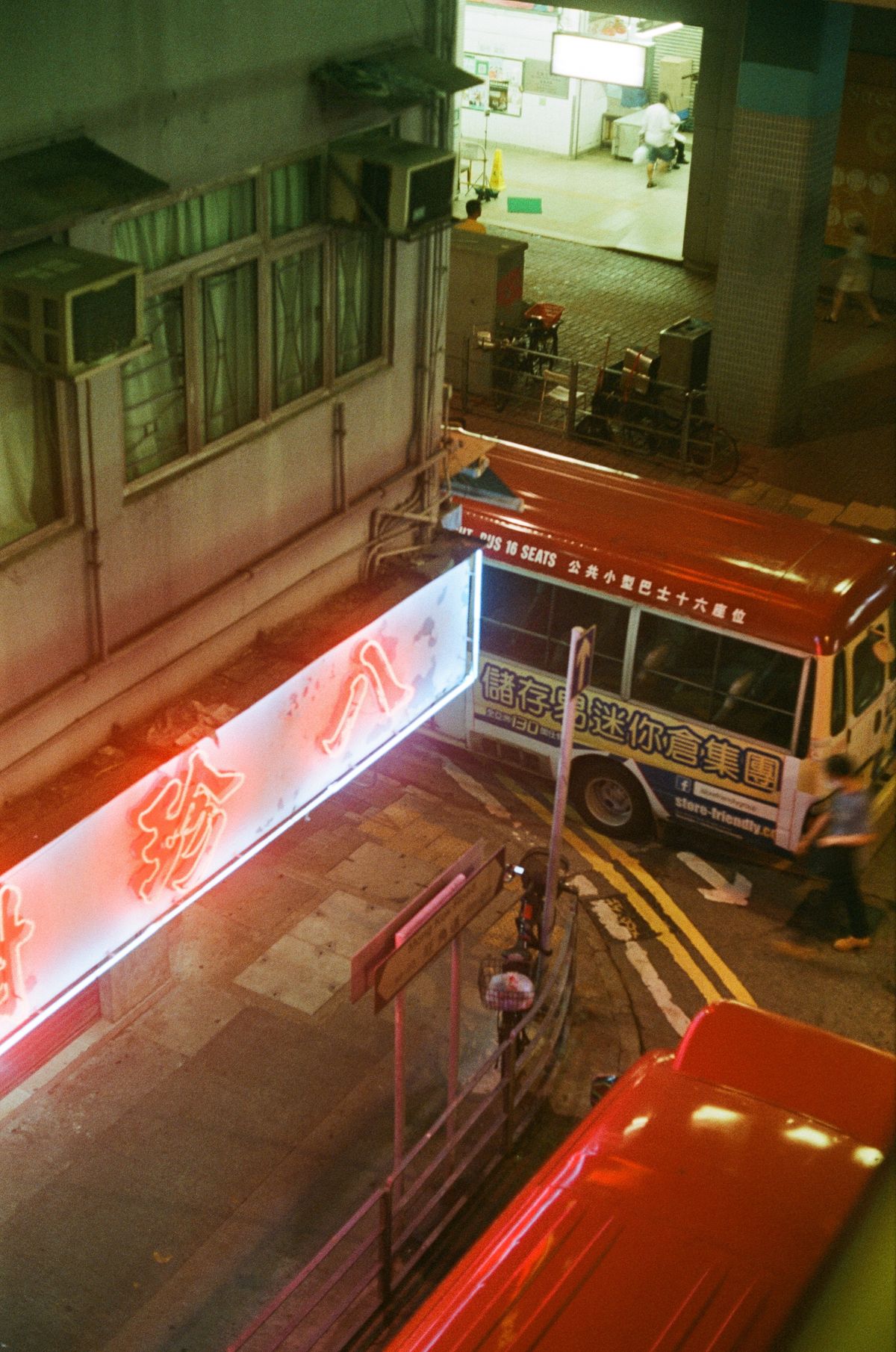
Andy Lau was born on 27 September 1961 in Tai Po, in Hong Kong's New Territories. His grandfather farmed there, and Lau has spoken often about a rural-feeling early childhood before the family moved to the gritty Diamond Hill neighbourhood when he was six. Money was tight. As a teenager Lau picked up hairdressing skills to help support the family. In 1980, at age 19, he enrolled in TVB's Artist Training Class — the legendary "star factory" course that also launched Tony Leung Chiu-wai, Stephen Chow, and earlier graduates like Chow Yun-fat. He completed the course in 1981 and signed with TVB.
By 1982 he had a leading role in the TVB wuxia series The Emissary. He was beautiful in that very particular Cantonese-cinema way — high cheekbones, a half-shy smile, eyes that always looked like they were thinking about something. The audience was sold.
Becoming One of the Four Heavenly Kings
In the 1990s, Hong Kong media crowned four Cantopop superstars the Four Heavenly Kings (四大天王): Andy Lau, Jacky Cheung, Aaron Kwok and Leon Lai. They sold out arenas, dominated radio, ran the Hong Kong Film Awards, and quietly defined what Cantonese pop culture looked like for a decade. Lau released his breakthrough album Would It Be Possible (可不可以) in 1990 and never stopped. By 2000, the Guinness Book of World Records confirmed him as the Cantopop male artist with the most music awards in history — a number that climbed to 444 by 2006.
🎬 The hairdresser-turned-superstar
Before TVB, Lau was learning to cut hair to help his family make ends meet — and according to Hong Kong entertainment lore, he ended up cutting hair for industry figures including comedy producer Eric Tsang. It's one of those quiet origin-story details that makes him so beloved in Hong Kong: a working-class Cantonese kid with a salon apron and a dream, who actually went and did the thing.
🎬 The 1990 motorcycle scene that became cinema legend
In A Moment of Romance (1990), Lau played the triad romantic "Wah Dee" — a role so iconic that the image of him riding a motorcycle through Hong Kong with a wedding dress trailing behind him became one of the most replayed scenes in Cantonese cinema. Posters of that shot still hang in dorm rooms from Toronto to Sydney. Wah Dee made Lau a heart-throb across Asia overnight.
🎬 The role that revived an entire film industry
By 2002, Hong Kong cinema was struggling. Then came Infernal Affairs, with Lau as Lau Kin-ming, the triad mole inside the police force, opposite Tony Leung Chiu-wai. The film grossed over HK$55 million at the Hong Kong box office and is widely credited with single-handedly reviving the local industry. Hollywood remade it four years later as The Departed, which won Best Picture at the Oscars.
🎬 The quiet philanthropist
In 2008, the Hong Kong SAR government appointed Andy Lau a Justice of the Peace — a recognition often reserved for civic leaders, not movie stars. He has spent decades funding scholarships, disaster relief, and youth film initiatives. The "Andy Lau brand," in Hong Kong, isn't about scandal-free image management. It's something closer to a craftsman's reputation: show up, work hard, take care of your people.
Why He Still Matters to the Cantonese Diaspora
For first-generation Cantonese parents in Vancouver, San Francisco, Sydney, and London, Andy Lau is the soundtrack of their twenties. For the second generation, he's the family-dinner karaoke benchmark. He's one of the very few performers whose career bridges 1980s TVB dramas, 1990s Cantopop arenas, 2000s prestige cinema, and 2020s mainland blockbusters — all while continuing to sing in Cantonese, his mother tongue, when it would have been more commercially convenient not to.
That loyalty matters. In an era when many Hong Kong stars switched primarily to Mandarin for the mainland market, Lau kept his Cantonese discography alive — songs your aunties still cry to at karaoke nights from Markham to Manchester.
A Bit of Cantonese to Take With You
天王
tin1 wong4 — Jyutping romanisation
Meaning: "Heavenly King" — the highest tier of male superstar in Cantopop.
Explanation: Originally a Buddhist term for the four guardian deities, the press in 1990s Hong Kong reused it to crown the era's four biggest male singers. Today, "天王" is shorthand for someone whose stardom is generational, not seasonal.
The Real Legacy
What's most quietly extraordinary about Andy Lau isn't a single hit film or chart-topping single. It's that, decade after decade, he has remained someone Cantonese families trust to put on the TV. He didn't disappear in scandal. He didn't burn out. He didn't stop singing in Cantonese. In a Hong Kong that has changed shape over and over, Andy Lau has been one of its steadiest fixed points — proof that working hard in your own language, year after year, eventually becomes a kind of art form in itself.
📖 Related Articles
👉 Shop Cantonese Guy — Modern Streetwear for the Global Cantonese Community