

Toronto is one of the most Cantonese cities in the world outside of Asia — and that didn't happen by accident. Behind every Spadina noodle shop, Markham mall food court and Richmond Hill BBQ counter is a 150-year story of Cantonese migration, hand laundries, head taxes, displacement, and rebuilding. Long before Toronto became Canada's most diverse metropolis, it was Cantonese pioneers who laid the cultural foundation.
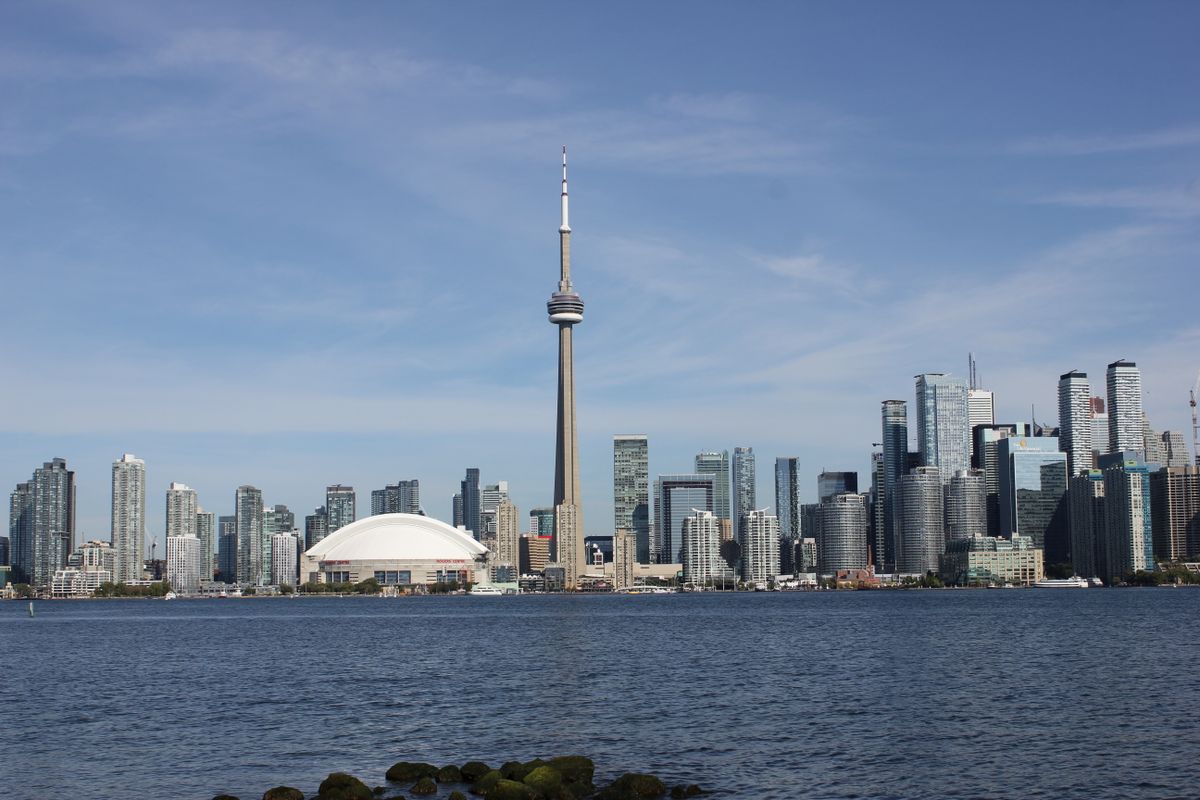
The first Cantonese in Toronto: Sam Ching and the railway men
The earliest documented Chinese person in Toronto was Sam Ching, who opened a hand laundry on Adelaide Street in 1878. He was the first Chinese name listed in the city's directory — a single Cantonese man, alone in a port town that had no idea what was coming. Behind him would come hundreds of Cantonese labourers, almost all men from the Pearl River Delta in Guangdong, drifting east after finishing the brutal western stretch of the Canadian Pacific Railway. By the early 1900s they had clustered close to Union Station in what would become Toronto's First Chinatown.
It was a difficult time to arrive. The Chinese Immigration Act of 1885 imposed a head tax meant to keep Chinese families out of Canada. The community that took root in Toronto in those decades was overwhelmingly male — bachelors who sent money home to wives and children they sometimes never saw again. Despite this, they built churches, herbal medicine shops, grocery stores and, above all, restaurants.
The First Chinatown: built, then bulldozed
Toronto's First Chinatown developed between roughly 1900 and 1925 along York and Elizabeth Streets, between Queen and Dundas. The first Chinese café in the city opened in 1901 at 37½ Queen Street West, directly across from City Hall. By 1912 there were already 19 Chinese restaurants. A decade later, the number had ballooned to around 100 cafés and restaurants — many serving a now-classic mash-up of Western and Cantonese dishes that ordinary Torontonians could afford.
Then in the late 1950s, the city decided it wanted Nathan Phillips Square and a brand-new City Hall on top of the very land Chinatown stood on. Much of the original Chinatown was expropriated and razed in 1955 despite protests from residents, with only about a third of the original community surviving south of Dundas Street. It was a moment that could have ended the Cantonese presence in downtown Toronto. Instead, it pushed it westward — and made it stronger.
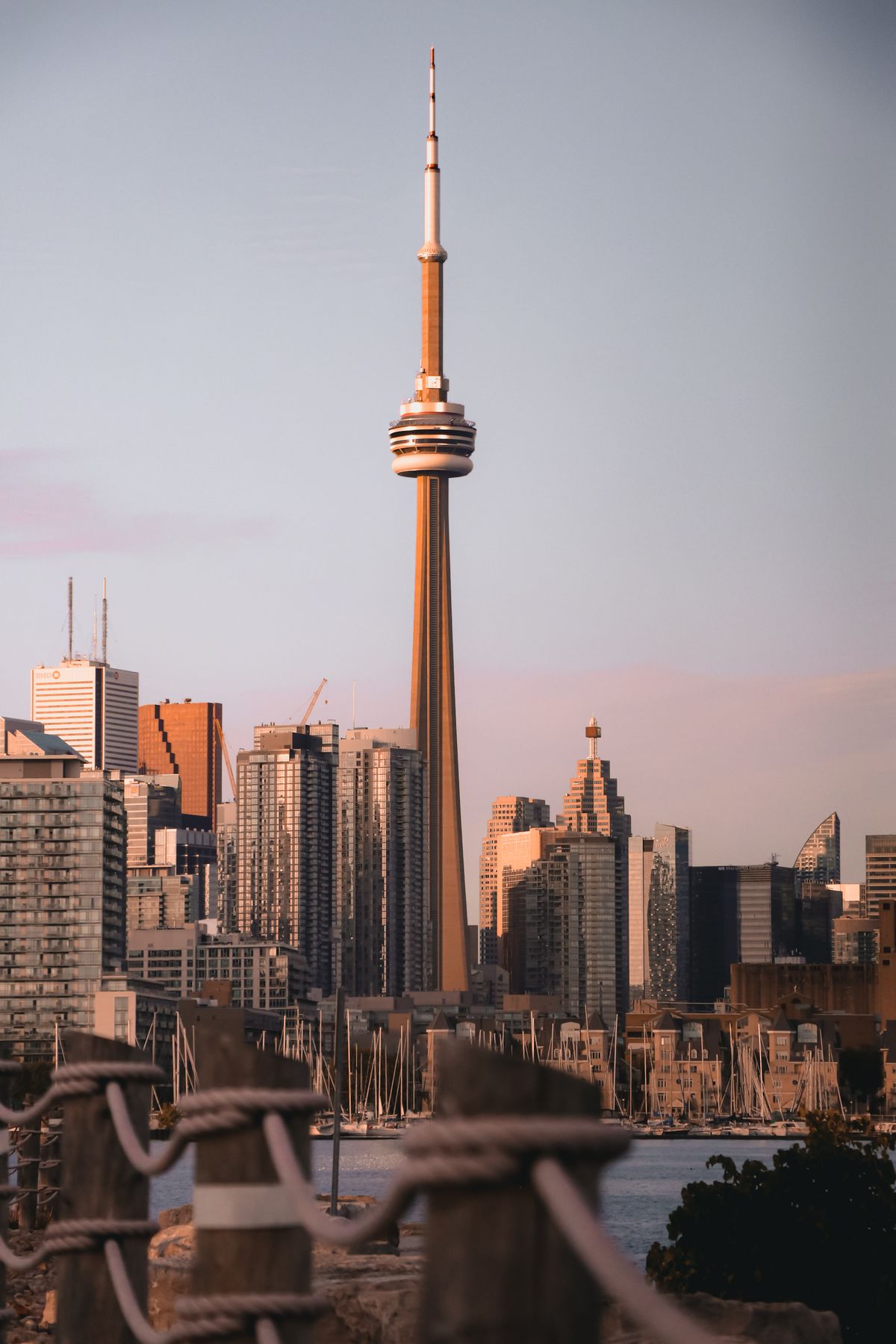
Spadina & Dundas: the new Cantonese heart
Through the 1950s and 1960s, displaced Cantonese businesses migrated west along Dundas Street and up Spadina Avenue, settling near Kensington Market. By the 1970s the neighbourhood around Spadina and Dundas had become the new commercial and cultural heart of Toronto's Chinatown — and Cantonese was its dominant working language. Roast meat windows lined Dundas. Herbal pharmacies hung dried seahorses in their displays. The smell of char siu, ginger and Hong Kong-style milk tea drifted out of every other doorway.
It was also community organising that saved this Chinatown. In the 1970s, restaurateur Jean Lumb led the "Save Chinatown Committee," fighting plans that could have erased a second wave of the neighbourhood. Her work — and the broader Cantonese community's refusal to be moved twice — is the reason Spadina still feels like Spadina today.
The Hong Kong wave: Scarborough, Markham, Richmond Hill
The 1980s and 1990s brought the biggest Cantonese migration Toronto would ever see. With the 1997 handover of Hong Kong approaching, hundreds of thousands of Hongkongers looked for somewhere safer to land — and many chose Toronto. Unlike the railway-era pioneers, these new arrivals came as professionals and families, often with capital. They didn't all settle downtown. They moved north, into Scarborough first, and then in vast numbers into the suburbs of Markham and Richmond Hill in York Region.
By the late 1990s, Markham and Richmond Hill held the largest concentration of ethnic Chinese in the Greater Toronto Area, with Cantonese as the dominant business language. Pacific Mall opened in Markham in 1997 — eventually becoming one of the largest indoor Chinese shopping centres in North America. Suddenly, you could buy fresh tong sui, bubble tea, manhua, MTR-style snacks and even a wedding banquet without ever leaving 905-area code.
Why Cantonese Toronto still matters
Today, Toronto and its surrounding region is home to one of the largest Cantonese-speaking diasporas on earth. The city's Cantonese identity has been challenged in recent decades — by new Mandarin-speaking immigration, by the closure of beloved old Spadina restaurants, by gentrification pressure on Chinatown. But the cultural DNA is firmly embedded. Yum cha is part of Toronto's weekend ritual. Cantonese roast meat shops are a citywide institution. And second- and third-generation Cantonese Canadians, raised by parents from Guangzhou, Hong Kong and Taishan, are now leading conversations about identity, food, and language preservation across the country.
From Sam Ching's lonely laundry on Adelaide to Pacific Mall on a Saturday afternoon, the story is one long act of building. If you want to dig deeper into Cantonese diaspora communities, we've also written about Vancouver's Gold Mountain North, San Francisco's Gold Mountain South, and London's Little Canton — three cities, three Cantonese stories cut from the same Pearl River cloth.
📖 Related Articles
👉 Shop Cantonese Guy — Modern Streetwear for the Global Cantonese Community