

Money isn't just money in Cantonese — it's a green crab, a golden bull, a lump of water, and about eight other things depending on who's counting. Hong Kong developed a whole zoo of nicknames for cash, most of them based on the colour of the banknote or the everyday chaos of getting paid. This is Vol. 30 of our Cantonese Dictionary, and today we're learning how locals actually talk about money — the words you'll hear at the market, at the ATM, and any time someone hands you the bill.
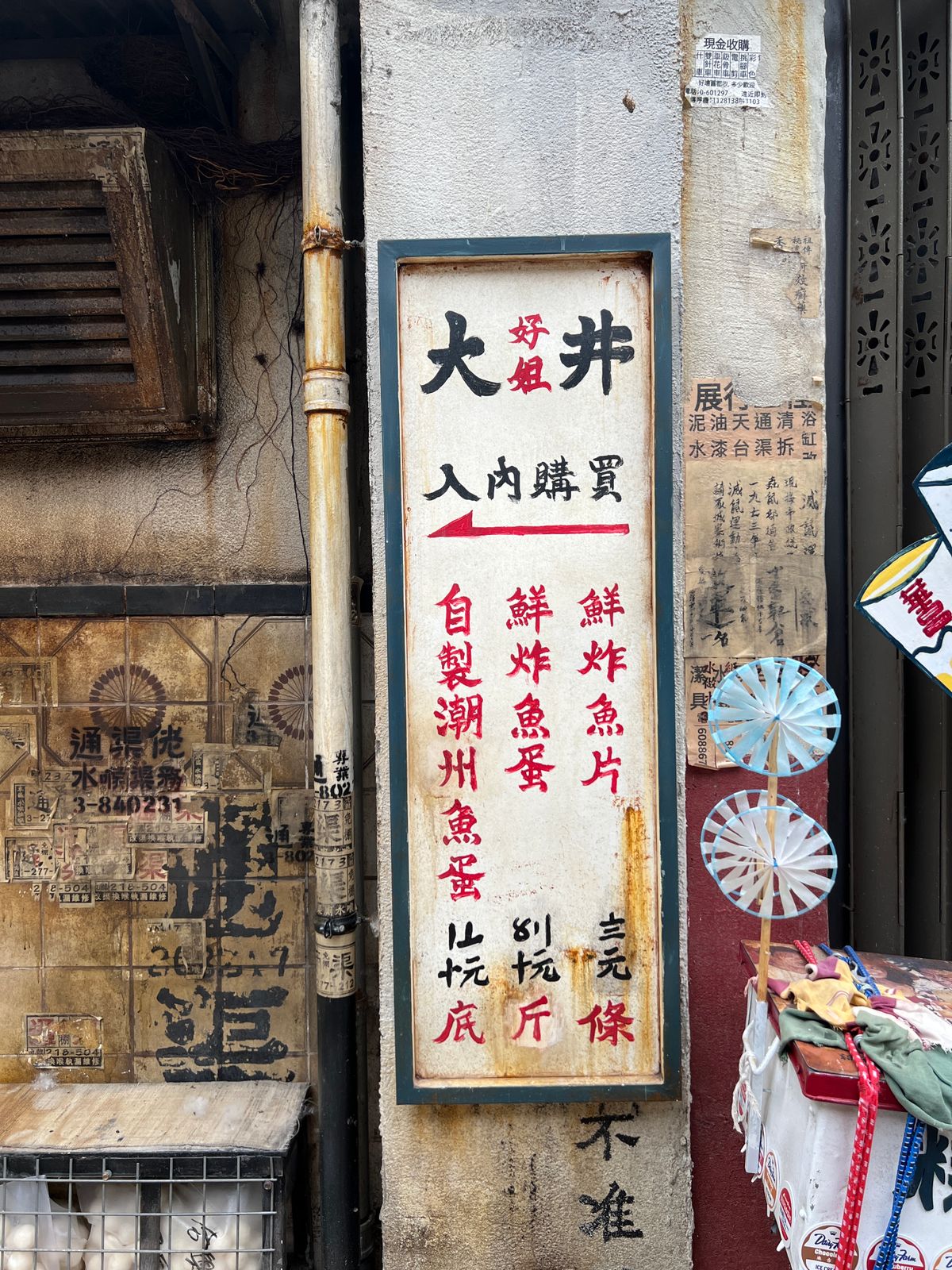
The core words: 錢, 銀紙, 荷包
1. 錢
cin4 — Jyutping romanisation
Meaning: Money, cash, coins.
Explanation: The base word for money. In casual speech Hongkongers often drop the tone down and say it as cin4-2 (sounding like cin2), especially in compounds like 搵錢 (make money) or 慳錢 (save money). Everything else on this list is basically a nickname for this one character.
2. 銀紙
ngan4 zi2 — Jyutping romanisation
Meaning: Paper money, banknote — literally "silver paper."
Explanation: A holdover from the old silver-standard era, this is the everyday word for physical cash. If you want to distinguish between coins and notes at the register, this is the one.
3. 荷包
ho4 baau1 — Jyutping romanisation
Meaning: Wallet, purse — by extension, one's own finances.
Explanation: Originally a small embroidered pouch worn on the belt in Qing-era China. Today it's the everyday word for wallet, and metaphorically for your personal spending power. Saying something "傷荷包" means it hurts your bank account.
The verbs: making, saving, withdrawing
4. 搵錢
wan2 cin4-2 — Jyutping romanisation
Meaning: To earn money, to make a living.
Explanation: 搵 literally means "to look for." So "looking for money" is how Cantonese frames earning a living — an honest, slightly weary way to talk about work. Very common in Hong Kong's hustle culture.
5. 慳錢
haan1 cin4-2 — Jyutping romanisation
Meaning: To save money, to be thrifty.
Explanation: 慳 is a distinctly Cantonese verb — Mandarin doesn't really use it this way. It carries a slight tone of virtue: being 慳家 (thrifty at home) is often praise, not insult.
6. 撳錢
gam6 cin4-2 — Jyutping romanisation
Meaning: To withdraw cash from an ATM — literally "press money."
Explanation: 撳 means to press a button. The formal word for ATM is 提款機, but nobody says that. Everyone just says "go press money." Pure Hong Kong efficiency in two syllables.
7. 找續
zaau2 zuk6 — Jyutping romanisation
Meaning: To give change (from a cash purchase).
Explanation: A market and taxi essential. If a driver says 唔使找 (no need to give change), they mean keep the tip.
The zoo of banknote nicknames
Because Hong Kong dollars come in bright, distinct colours, locals nicknamed each note after something colourful in the wild — a fish, a crab, a bull. These are the nicknames older Hongkongers still use in wet markets and mahjong games.
8. 一舊水
jat1 gau6 seoi2 — Jyutping romanisation
Meaning: Slang for HK$100 — literally "one lump of water."
Explanation: Water (水) is old triad-era slang for money in general. A "lump" is a hundred. You'll hear this in cheap dai pai dongs, mahjong halls, and any conversation about bill splitting.
9. 青蟹
ceng1 haai5 — Jyutping romanisation
Meaning: The HK$10 note — literally "green crab."
Explanation: Named after the greenish colour of the old ten-dollar bills. Most $10 transactions are now coins, but the nickname sticks — especially among older Hongkongers who remember when the crab was still crawling around wallets.
10. 紅衫魚
hung4 saam1 jyu2 — Jyutping romanisation
Meaning: The HK$100 note — literally "red-shirt fish" (golden threadfin bream).
Explanation: Named for the fish's red skin, which matches the bright red $100 bill. This is the most affectionate money nickname in Cantonese — probably because it's the amount most people actually spend on a good meal.
11. 大牛
daai6 ngau4 — Jyutping romanisation
Meaning: The HK$500 note — literally "big bull."
Explanation: A big brown bill, so a "big bull." You'll rarely see this one broken at street stalls — flash a 大牛 at a fishball vendor and they'll groan at you.
12. 金牛
gam1 ngau4 — Jyutping romanisation
Meaning: The HK$1,000 note — literally "golden bull."
Explanation: The largest denomination in daily circulation, and the same shiny gold as its nickname. Getting a 金牛 in a red envelope at Chinese New Year is the dream of every Hong Kong kid.
Why this vocabulary matters
Money slang is one of the surest signs you're inside a language, not just visiting it. When you can tell a taxi driver 唔使找 or ask a market auntie for change without hesitation, you stop being a tourist and start being a customer. Every one of these words connects back to something specific about Hong Kong — the colours of the notes, the fish in the wet market, the ATM buzzing in the MTR station. It's a small vocabulary set, but you'll use it every single day.
📖 Related Articles
👉 Shop Cantonese Guy — Modern Streetwear for the Global Cantonese Community