

A properly roasted Cantonese pigeon is one of the most technically demanding things a Guangdong chef will ever put in front of you. The skin has to shatter under a fork. The meat underneath — taken from a 25-day-old bird, no older — has to stay pink, juicy and faintly gamey. The whole thing arrives cut into halves on a small plate, still steaming, next to a tiny dish of prawn crackers and a lemon wedge. This is not a dish you inhale. This is a dish you slow down for. And it has quietly been at the centre of Cantonese fine dining for over 160 years. If you're the type who lives for those "the food is ready" moments, our 食飯 Dinner is Ready oversized tee is basically a wearable dinner bell.
What Exactly Is 乳鴿?
乳鴿 (jyu5 gap3) literally means "milk pigeon" — a squab, or young pigeon, harvested before it flies. In Cantonese kitchens the birds are cooked in one of two classic ways: braised in a soy-and-spice master stock before finishing (鹵水乳鴿, lou5 seoi2 jyu5 gap3), or lacquered with maltose and roasted or deep-fried until the skin crackles like glass (燒乳鴿, siu1 jyu5 gap3). It's a dish that appears at wedding banquets, birthday tables, and any Cantonese meal that wants to communicate: this is a special occasion.
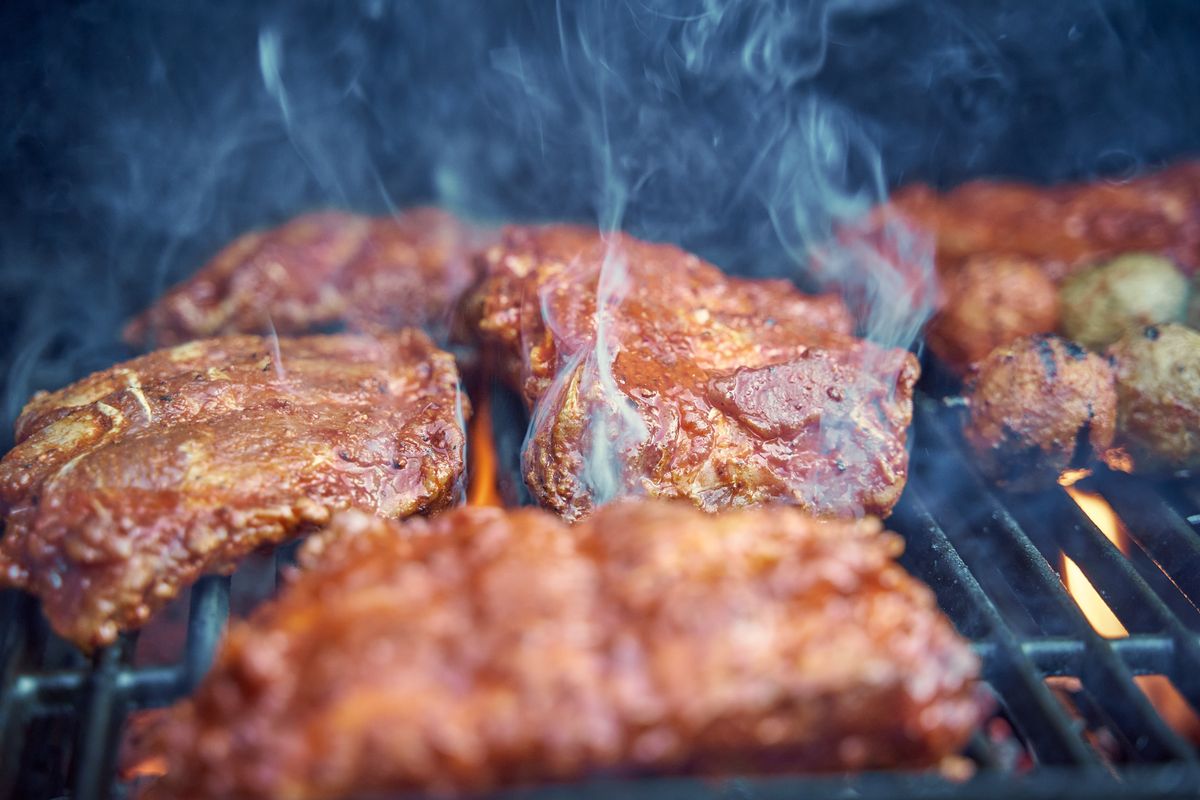
The Restaurant That Made Roast Pigeon Famous: Tai Ping Koon
The most storied roast pigeon in Cantonese history comes from Tai Ping Koon (太平館), a restaurant founded in Guangzhou in 1860 by a Chinese chef named Chui Lo Ko. Tai Ping Koon is credited with inventing an entire cuisine — "soy sauce Western" — by cooking European-style dishes with Chinese seasonings. Its most famous creation is Swiss sauce pigeon, where a roasted squab is bathed in a sweet, star-anise-scented soy syrup. The restaurant moved to Hong Kong in 1938 during the Second Sino-Japanese War and has been serving that same pigeon ever since. Its early clientele included Sun Yat-sen and the Soong sisters. The recipe hasn't changed. If you rate Cantonese BBQ as its own art form, our 叉燒 Char Siu oversized tee puts the same lacquered-meat pride on your chest.
Read our full profile of Hong Kong's cha chaan teng diner culture to see how Tai Ping Koon's soy sauce Western branch became one of the most distinctive corners of the whole Cantonese food landscape.
The Shenzhen Chapter: Guangming Pigeon
If Hong Kong made the pigeon posh, Shenzhen made it a public heritage dish. Guangming pigeon (光明乳鴿) was born in 1983 at the Guangming Guest House in Shenzhen and became so beloved that in 2011 it was inducted onto the city's official Time-Honoured Brand register. The chefs there use only 25- to 28-day-old squabs raised on Asia's largest pigeon farming base, then marinate them for hours in a master stock that reportedly contains more than 20 different herbs — a recipe passed down for nearly four decades. When you drive across the border on a weekend, the queue for a table stretches out into the car park.
Even more locally famous is the Dameisha pigeon tradition of Yantian District, where the fourth-generation chef Yuan Jiandong runs the Wugufang Pigeon King restaurants — his roast pigeon technique has been officially listed on the city's intangible cultural heritage register. In Guangzhou, Da Ge Fan (大鴿飯), which opened in 2007, has built its entire menu around pigeon-themed dishes and picked up a Michelin star in the process.
How the Craft Works
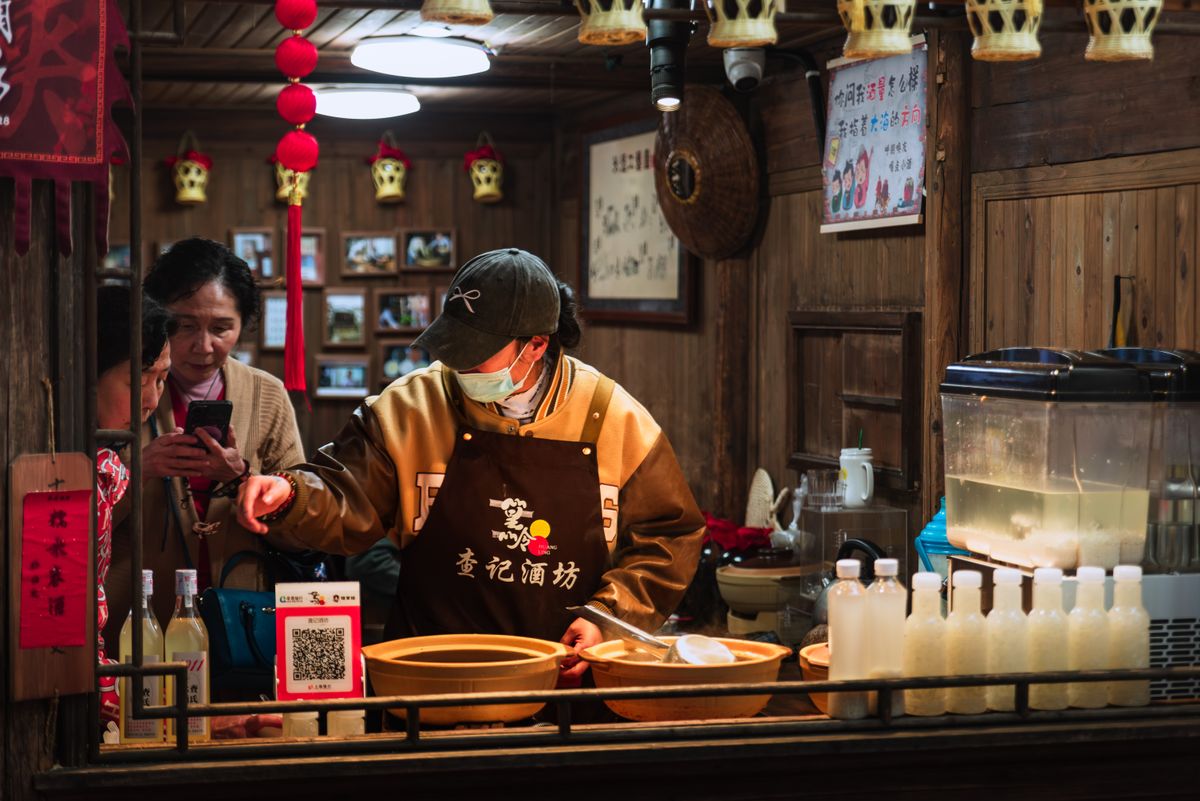
Getting the skin right is the whole game. A traditional Cantonese pigeon is first blanched, then rubbed inside and out with a marinade of five-spice, soy sauce, rice wine and sometimes red yeast rice for colour. It's then coated with a mixture of maltose (麥芽糖) and vinegar — the same coating used on Cantonese roast goose — and hung to air-dry for at least six hours so the skin can tighten. Only then does it hit the heat. Traditionalists roast over charcoal in a cylindrical oven; modern kitchens use gas or deep-fry, but the very best still swear by wood or charcoal for the smoky depth it adds. Fellow poultry fans also seem to love our Cantonese Chicken heavyweight tee — same appreciation for a well-cooked bird.
Why Cantonese People Love Pigeon
Cantonese food culture takes squab seriously partly for practical reasons: pigeon meat is dense in protein and iron, and in traditional Chinese medicine it's said to build blood and strengthen the body. Cantonese grandmothers still recommend a fresh-cooked pigeon after childbirth or during recovery from illness. But the reverence goes beyond nutrition. The Cantonese kitchen prizes technique that respects the ingredient, and a properly roasted pigeon rewards patience the way no shortcut ever will. It's the same philosophy that produced white cut chicken: minimal seasoning, maximum skill.
Where to Eat It Today
In Hong Kong, Tai Ping Koon still has locations in Central, Tsim Sha Tsui and elsewhere serving the century-old Swiss sauce version. Across the border in Shenzhen, Guangming Guest House and Wugufang are pilgrimage destinations for anyone who takes pigeon seriously. In Guangzhou, Da Ge Fan is the modern reference point. And in almost every mid-range Cantonese restaurant across Hong Kong and Guangdong, you'll find some version of 燒乳鴿 on the menu — a small bird, halved on a plate, still crackling. Order it. Eat it slowly. It's one of the most Cantonese things you can put in your mouth.
📖 Related Articles
👉 Shop the Mami Says collection
Modern streetwear for the global Cantonese community.