

Walk into a cha chaan teng (茶餐廳) at 8 a.m. in Sham Shui Po and you're inside a Cantonese institution disguised as a diner. The waitress calls you 靚仔 (leng3 zai2, "handsome young man") without looking up. She scribbles your order on the back of the same paper placemat you'll eat off. Your milk tea arrives before your order does — because everyone drinks it, and the pot is already on the stove.
The cha chaan teng is more than a Hong Kong diner. It's the physical space where Cantonese working-class culture, British afternoon tea, and post-war ingenuity fused into a single menu. And it started with something called a bing sutt.
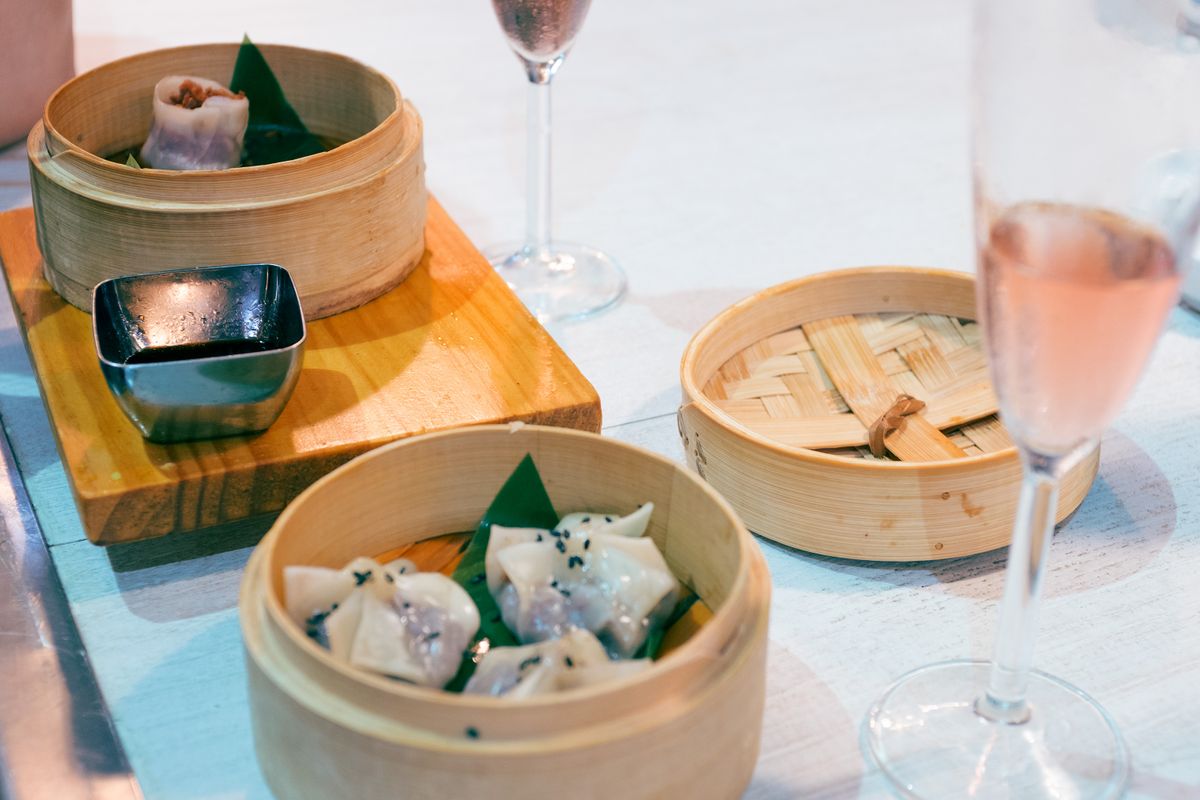
From Bing Sutt to Cha Chaan Teng
The cha chaan teng's direct ancestor was the bing sutt (冰室 — literally "ice room"). Bing sutts appeared in the 1940s, when Hong Kong was still under British colonial rule. They served chilled drinks, sandwiches, red bean ice and freshly baked pineapple buns to a clientele that couldn't quite afford the whites-only Western tea rooms of Central. A bing sutt licence was cheaper and more restrictive — no stove work permitted, so no full hot dishes.
After World War II, Hong Kong's population exploded. Factories opened, workers needed cheap hot lunches, and enterprising owners upgraded their bing sutt licences to the newer "general restaurant" category. This let them install woks and gas ranges. The cha chaan teng — literally "tea meal hall" — was born in the 1950s, and Hong Kong food culture was never the same.
The Menu Is a Colonial Autobiography
A cha chaan teng menu reads like Hong Kong's twentieth century in dish form. Macaroni in soup with ham? That's British nursery food, filtered through wartime supply chains. Baked pork chop with rice and tomato sauce? A Cantonese reinterpretation of a British Sunday roast. Silk-stocking milk tea? An HK invention that turned CTC black tea and evaporated milk into something more addictive than either alone — you can read the full story of that drink in our silk-stocking milk tea deep dive.
The genius of the cha chaan teng was recognising that Hong Kong workers wanted the comforts of "Western food" (西餐) at Chinese prices, served in Chinese portion sizes, and with a proper bowl of rice underneath. Nobody in a colonial-era Peninsula Hotel would have dreamed of pouring a fried egg over spam and macaroni. In a cha chaan teng, that dish is a Tuesday breakfast — and a beloved one.
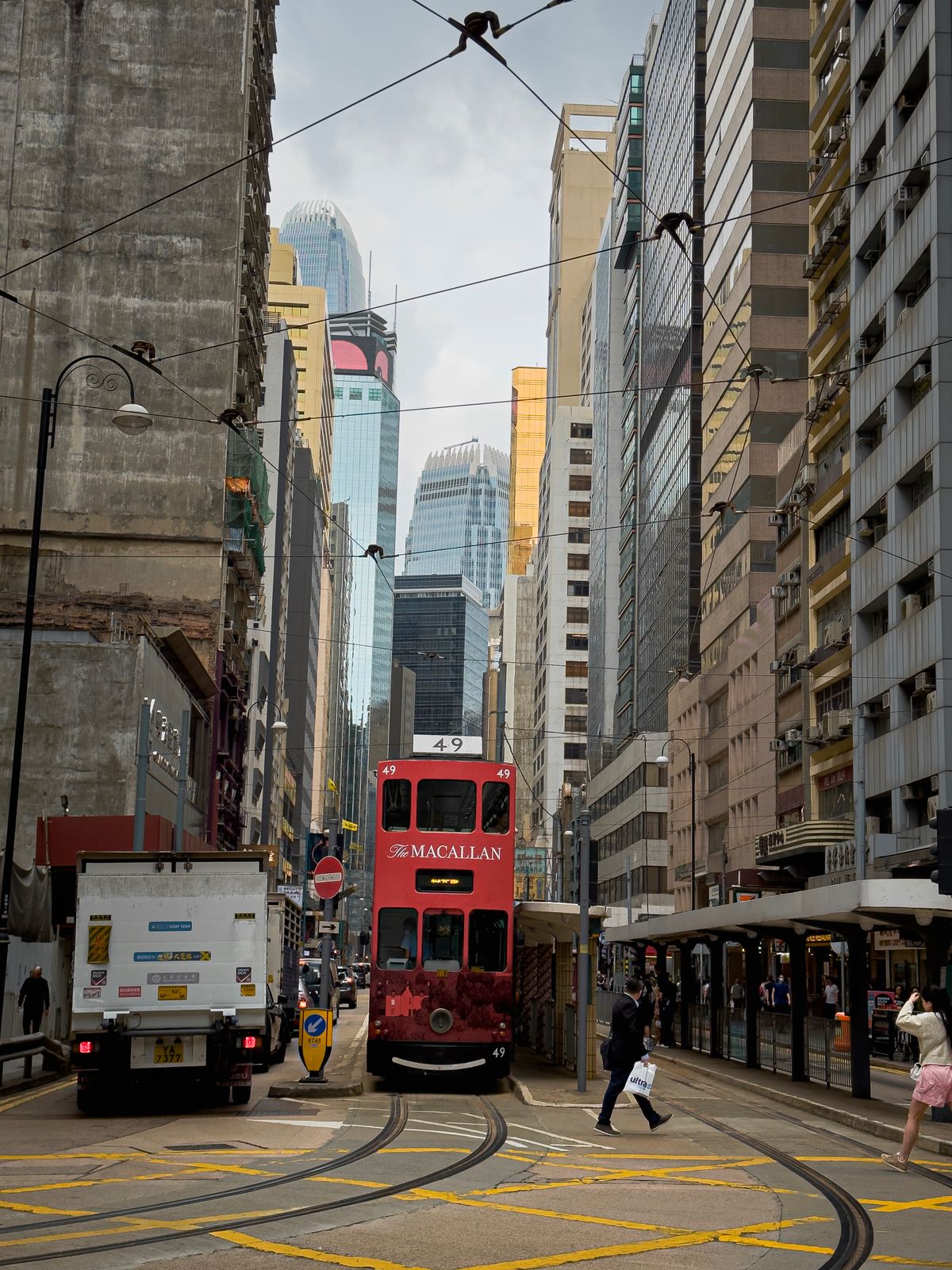
The Language of the Cha Chaan Teng
Ordering at a cha chaan teng is an entire dialect within Cantonese. 走冰 (zau2 bing1) means "hold the ice." 走青 (zau2 ceng1) means "no green onions." 加底 (gaa1 dai2) means "extra rice or noodles at the base." 靚仔 and 靚女 (leng3 zai2 / leng3 neoi2) are how waitresses address any customer they don't know — you're always "handsome" or "pretty" in a cha chaan teng, and yes, older Hong Kong ladies find this hilarious.
Then there are the drink codes. A "凍檡茶" is iced lemon tea. "熱奶茶" is hot milk tea. Order a "鴛鴦" and you'll get half coffee, half milk tea — an HK original with its own deep history. Get any of these wrong and you'll get looks. Get them right and the auntie behind the counter softens instantly.
Why the Cha Chaan Teng Is Fading — and Fighting Back
When Hong Kong announced its first intangible cultural heritage inventory in 2014, campaigners pushed hard for the cha chaan teng itself to be on the list. It wasn't — but the local Hong Kong-style milk tea technique was formally recognised, an acknowledgement that at least the drink at the heart of the cha chaan teng deserved protection. The format itself is under real pressure. Rents in Central and Causeway Bay have priced out many old-guard operators; younger diners drift toward chains, cafés and Instagram brunch spots. Some cha chaan tengs from the 1960s are gone; others survive because loyal locals refuse to eat lunch anywhere else.
Diaspora Cantonese communities from Vancouver to Sydney have their own beloved cha chaan tengs now — often opened by immigrants who wanted to eat the way their parents ate. Walk into one in Richmond, BC or Cabramatta, NSW, and you'll find the same yellow melamine plates, the same milk-tea urn, the same "your Chinese-Western fusion breakfast is ready" energy. The format travels.
What Cha Chaan Teng Means to the Cantonese Diaspora
For anyone who grew up Cantonese, a cha chaan teng is muscle memory. It's the place your father took you before school. It's where your uncle read the racing paper and complained about the Jockey Club. It's where you learned that "extra sugar in the milk tea" is a personality flaw. And now — for the diaspora and the tourist alike — it's one of the last places you can still taste Hong Kong the way Hong Kong tastes itself.
📖 Related Articles
👉 Shop Cantonese Guy — Modern Streetwear for the Global Cantonese Community