

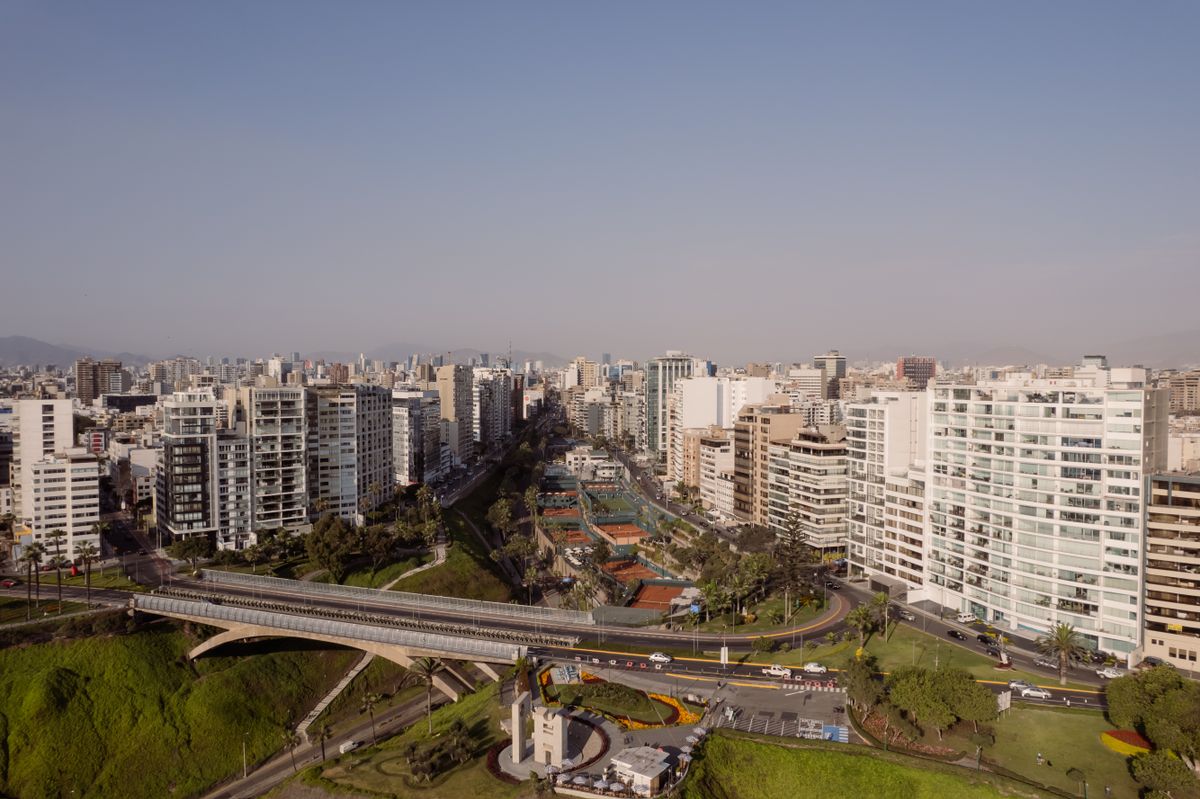
Walk down a street in Lima and you'll pass more Chinese restaurants than you can count — and almost all of them will have a single word above the door: Chifa. What most tourists don't know is that this word came directly from Cantonese. When you hear a Peruvian say "vamos al chifa," they're unknowingly repeating a Cantonese phrase that migrant workers from Guangdong shouted at each other over a hundred years ago: 食飯 — "let's eat." This is the story of how Cantonese migrants gave Peru one of its most beloved cuisines, and one of its most Cantonese-sounding words.
Where the Word "Chifa" Came From
The name is pure Cantonese. According to research by Peru's Comisión Lexicografía de la Academia Peruana, the word "chifa" comes from the Cantonese phrase 食飯 (sik6 faan6), which literally means "to eat rice" — the everyday Cantonese way of saying "let's eat a meal."
In 1930s Lima, Chinese restaurant owners of Guangdong origin used the expression constantly — calling their friends, staff, and customers to the table. Peruvians heard the phrase repeated over and over. Over time, they turned "sik faan" into "chifa" — and used the word to mean not just the meal but the restaurant itself. Today, a chifa is any Chinese-Peruvian restaurant. The word has entered the Spanish dictionary of Peru.
The Migration Story: How Cantonese Peru Was Built
The story begins in the mid-19th century. Between 1849 and 1874, roughly 100,000 Chinese labourers arrived in Peru under contract to work on coastal sugar plantations, cotton fields, guano islands, and the coastal railways. The vast majority came from one place: Guangdong province — the same Cantonese-speaking heartland that produced most Chinese diaspora communities around the Pacific, including San Francisco's Chinatown and Vancouver's.
These migrants came speaking Cantonese, cooking Cantonese, and thinking in Cantonese. When their labour contracts ended, many stayed in Peru, moved to Lima, and opened small food stalls to feed each other. Ingredients from home weren't available, so they improvised: soy sauce came with them, but everything else had to be sourced locally — potatoes, corn, chili peppers, tropical fruits. Cantonese wok technique met Peruvian pantry. Chifa was born.
The Cuisine: What Chifa Actually Is
Chifa is not "Chinese food in Peru." It's a genuine fusion cuisine, developed over more than a century, with its own dishes that don't exist anywhere else. It draws heavily from Cantonese cooking — wok hei, stir-fry technique, sweet-savoury balance, soy-based sauces — but reshapes it around Peruvian ingredients and tastes.
The dish most Peruvians know by heart is arroz chaufa (from Cantonese 炒飯 caau2 faan6, meaning "fried rice"). Then there's lomo saltado — arguably Peru's most famous dish — which is a stir-fry of marinated beef with tomatoes, onions, and soy sauce, served with fries and rice. It's basically a Cantonese wok stir-fry adapted for the Peruvian palate. There's also tallarín saltado (stir-fried noodles), wantán (wontons), and kam lu wantán (crispy wontons with sweet and sour sauce — a chifa original).
6,000 Restaurants and Counting
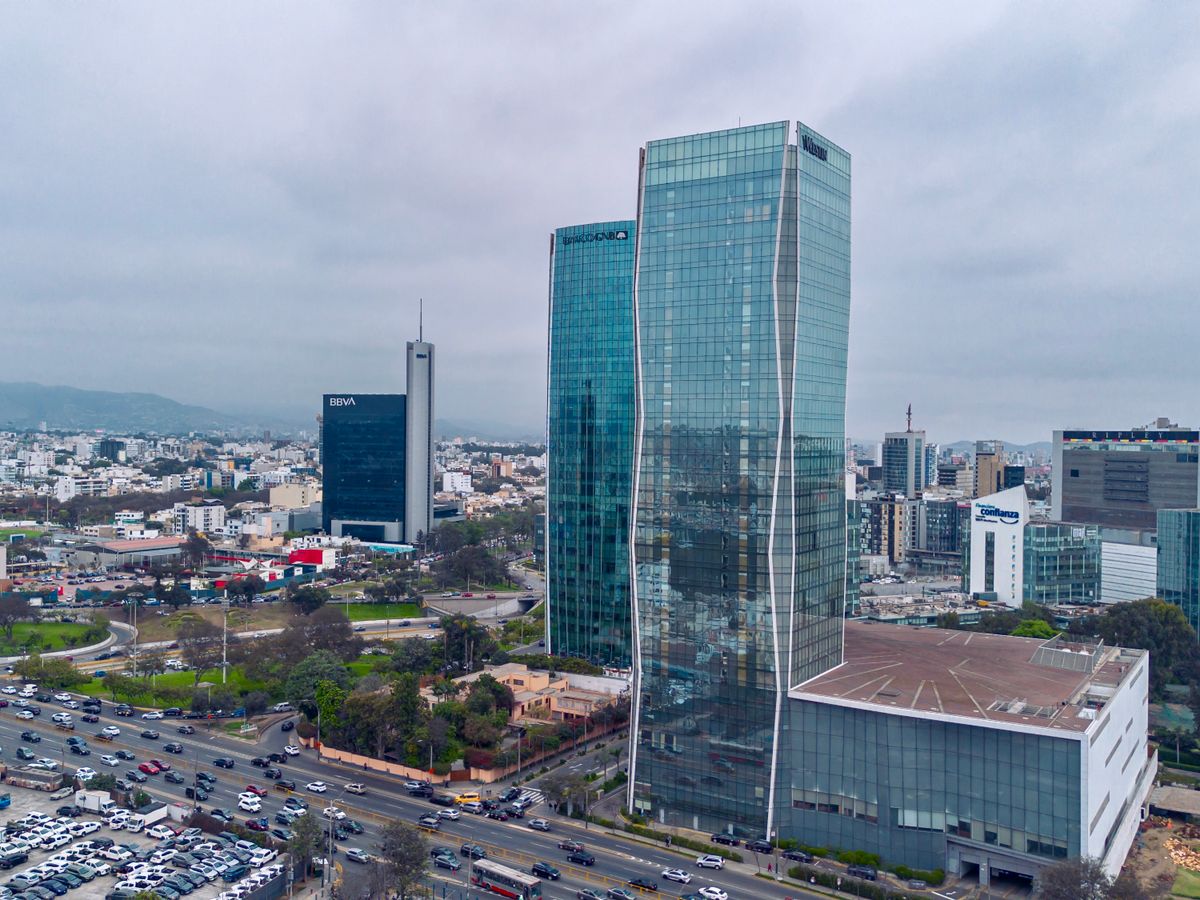
Estimates commonly cited put the number of chifa restaurants in Lima alone at around 6,000 — that's more chifas in one city than there are Chinese restaurants in most entire countries. Some are family-run neighbourhood spots that have been open since the 1930s. Others are chains. Together, chifa is one of the most eaten cuisines in Peru — arguably as important to Peruvian food identity as ceviche or anticuchos.
And crucially, most Peruvians don't think of chifa as "foreign food." They grew up on it. Kids eat arroz chaufa at their birthdays. Families order lomo saltado for a normal Tuesday dinner. Chifa has been so completely absorbed into Peruvian daily life that many locals don't even realise the word itself is Cantonese.
The Cantonese Connection Peru Rarely Talks About
The Chinese-Peruvian community — often called tusán (from Cantonese 土生, meaning "locally born") — is one of the largest Chinese diaspora populations in Latin America. Its cultural roots are overwhelmingly Cantonese, not northern Chinese. That's why chifa flavour profiles feel closer to a good Guangzhou stir-fry than to Beijing or Sichuan cooking — the technique, the sauces, and the balance all come from Guangdong.
Peru's Asian diaspora is often discussed through the lens of its Japanese community — but the Cantonese story is quietly older and, in food terms, arguably more culturally productive. The chifa tradition is one of the most influential Cantonese diaspora stories in the world, and it's happening 17,000 kilometres from Guangzhou.
Why This Story Matters to the Cantonese Diaspora
When we talk about global Cantonese communities, the conversation usually stops at Vancouver, San Francisco, London, and Sydney. But Lima deserves a seat at that table. Peru's Cantonese story is quieter, older in some ways, and just as culturally productive. Chifa is proof that Cantonese cooking, given enough time and enough curiosity, doesn't just survive migration — it invents entire new cuisines.
Next time you see a chifa sign in Lima, remember: it's Cantonese. It's your ancestors calling their friends to the table. And it's a reminder that our food, our language, and our identity travel further than we ever expect.
📖 Related Articles
👉 Shop Cantonese Guy — Modern Streetwear for the Global Cantonese Community