

Walk down Queen's Road West on a cold Hong Kong night and you'll see them: rows of small charcoal stoves lined up on the pavement, each one holding a black clay pot with a wooden lid. Inside, rice is caramelising into a crackling golden crust, cured sausage is slowly rendering its fat into the grains below, and steam is escaping in tiny puffs that smell like every Cantonese childhood at once. This is bo1 zai2 faan6 (煲仔飯) — clay pot rice — and it's one of the oldest, humblest, most beloved dishes in the entire Cantonese kitchen.
A Dish With 2,000 Years of Fire Behind It
Cooking rice in a sealed clay vessel over live fire is older than almost anything else in Cantonese cuisine — the technique traces back roughly two thousand years in Guangdong province. The porous, unglazed clay traps steam, cooks the rice unevenly on purpose, and produces the two things every clay-pot-rice devotee lives for: fluffy, perfectly separated grains up top, and a crackling burnt-golden layer at the bottom of the pot called faan6 ziu1 (飯焦) — the rice crust. You scrape it off with a spoon. You do not share it.
How Hong Kong Made It a Winter Ritual
In the early 20th century, Hong Kong street vendors turned a peasant cooking method into a city obsession. Small clay pots — bo1 zai2 literally means "little pot" — sat over open flames along Wan Chai and Yau Ma Tei lanes, cooking one portion at a time. The whole appeal was quick, cheap, generous and blisteringly hot in a season when Hong Kong tenements had no heating. Winter is still peak season: most legendary clay-pot-rice shops only fire up their stoves once the temperature drops.
The Anatomy of a Great Pot
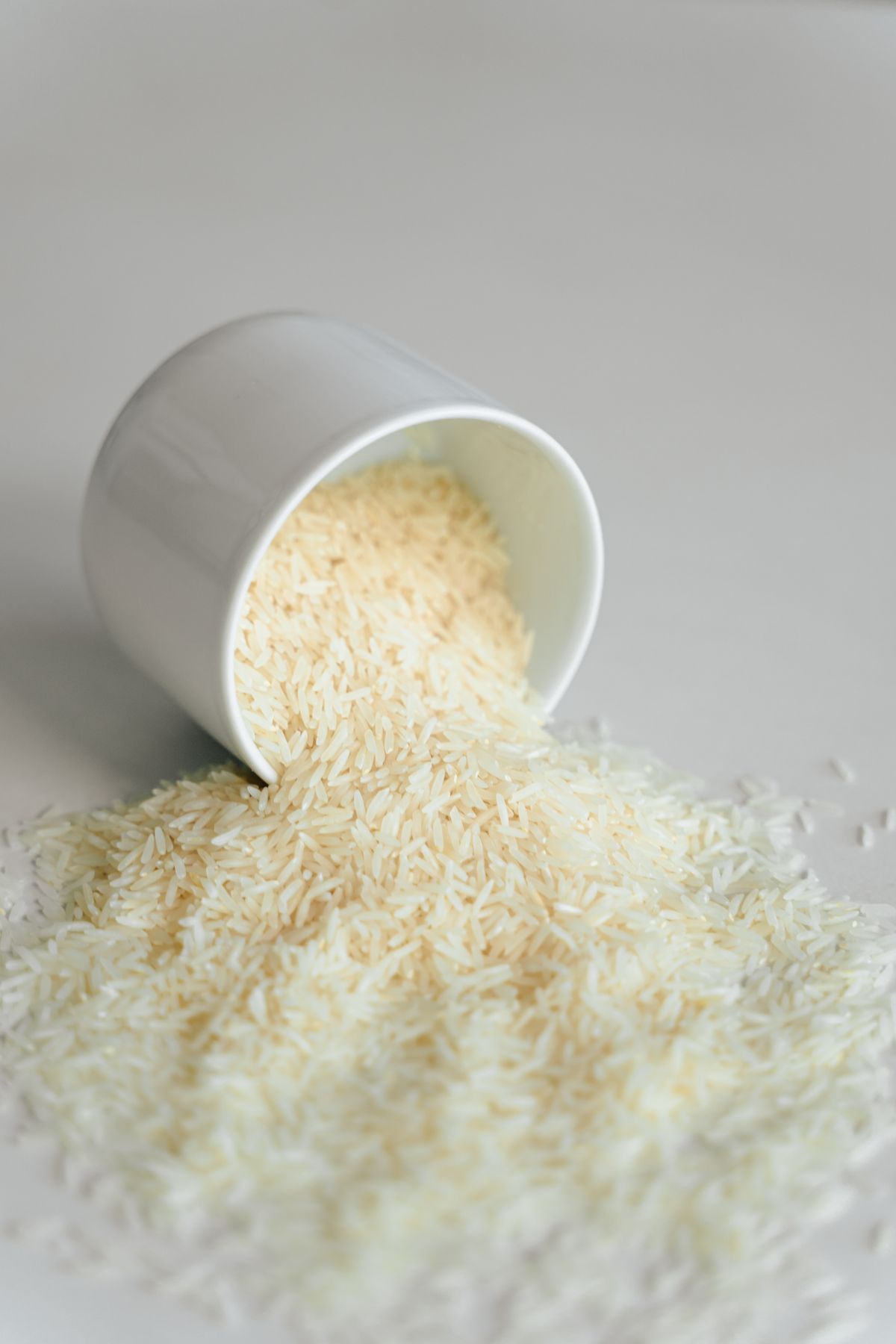
Every serious clay pot rice starts with long-grain jasmine rice soaked briefly so the grains cook evenly. Then the toppings go straight onto the raw rice so their juices seep into the grains as everything steams together. The classic combinations barely change from one shop to the next — they don't need to.
The greatest hits:
Lap cheong & lap yuk (臘腸臘肉) — the winter classic. Sweet cured Chinese sausage and cured pork belly, sliced thin, laid over the rice so their fat renders down through every grain. This is the version that turned clay pot rice into a Cantonese winter tradition. Salted fish & minced pork (鹹魚肊肉餅) — pungent, savoury, unmistakably Cantonese. Frog with ginger & spring onion (八茉田雞) — an old-school delicacy that still shows up on Sham Shui Po menus. Beef with raw egg — you crack the egg over the still-sizzling rice at the table and stir.
The Sauce Nobody Talks About
Ask any Hong Konger and they'll tell you the real magic isn't the rice or the topping — it's the sauce the shop pours over the top at the very end. Every clay pot rice restaurant has its own house-blend of sweet soy sauce (甜酩), light soy, sugar, sesame oil and stock, and the good ones are guarded like family secrets. That dark, glossy drizzle is what fuses the topping into the rice and what makes the crust worth fighting your dining companions for.
Charcoal, Not Gas
Purists will tell you charcoal is the whole game. It cooks unevenly, kisses the pot with smoke, and gives the crust a depth that gas can never quite match. Only a handful of shops in Hong Kong still cook over charcoal today — the setup is expensive, labour-intensive and complicated by fire regulations — but the ones that do have queues down the street on any cold night from November through February. If you see the words taan3 fo2 (炒火) or "charcoal" on the sign, join the queue.
A Bowl That Travels
Clay pot rice migrated wherever Cantonese people did. You'll find it in Chinatowns from San Francisco to Melbourne, in Guangzhou's back-alley joints, in Malaysian coffee shops that spell it sa-po fan, and in every diaspora kitchen where someone's grandmother refuses to let a chilly evening pass without one. It is portable, cheap and profoundly comforting — which is really the whole ethos of Cantonese home cooking. Learn more about our food heritage through lou fo tong slow-cooked soup and the soy sauce chicken that won a Michelin star.
Why It Endures
In a city that reinvents itself every decade, clay pot rice has barely changed. Same clay pots, same charcoal, same secret sauces passed from father to son. It's the kind of dish that reminds Cantonese people who they are — resourceful, patient, obsessed with the small perfect details, and never willing to eat anything that isn't seasoned by fire and time.
📖 Related Articles
👉 Shop Cantonese Guy — Modern Streetwear for the Global Cantonese Community