

In July 2016 a Singapore hawker named Chan Hon-meng was handed a Michelin star for a plate of soy sauce chicken rice that cost S$2.50. Guests could still order it the next day for the same price. Newspapers around the world called it the cheapest Michelin-starred meal in history — but for anyone who grew up in Guangzhou or Hong Kong, the real headline was different. Chef Chan had won a Michelin star for one of the most humble, most Cantonese, most everyday dishes in the entire siu mei repertoire: 豉油雞, si jau gai — soy sauce chicken.
What Soy Sauce Chicken Actually Is
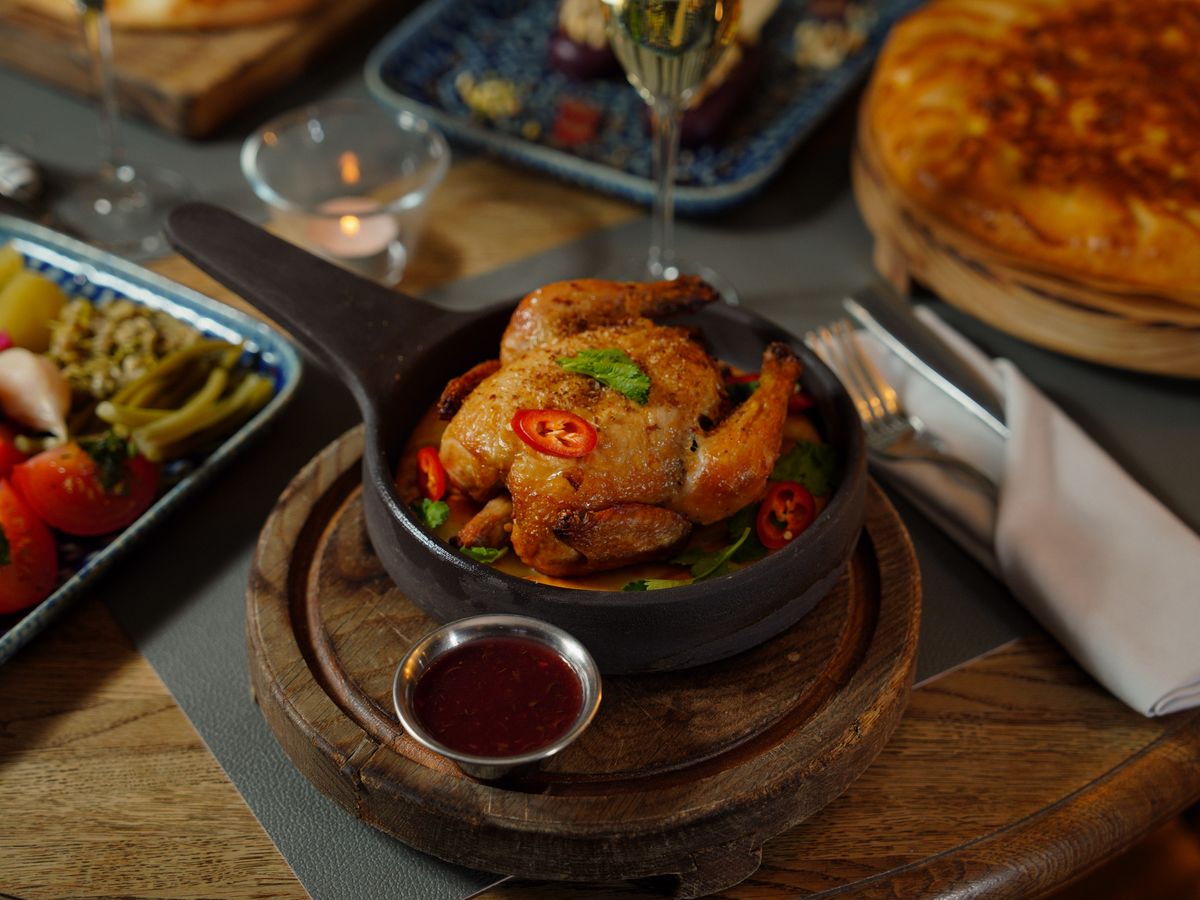
Si jau gai is a whole chicken gently poached in a dark, sweet-savoury master stock built on soy sauce, rock sugar, ginger, scallions, and warm spices — star anise, cinnamon, sometimes cloves. The pot never boils. The chicken swims at a low simmer for around 20 to 30 minutes, then rests off the heat while the residual warmth finishes the job. When it emerges, the skin has turned a deep mahogany, the meat is silky and just cooked, and the whole bird glistens like it has been dipped in liquid amber.
Unlike its cousin 白切雞 baak cit gai (white cut chicken), which is all restraint and clean broth, soy sauce chicken is Cantonese cooking's argument for umami — deep, layered, unmistakable. Both dishes share the same philosophy: honour the bird, never boil it, and let the sauce do the talking.
The Master Stock That Ages Like Wine
The real secret isn't in the recipe. It's in the pot. Cantonese cooks call this pot 老卤水 lou lou seoi — "old brine" — and treat it the way a French vigneron treats a barrel. Every time you poach a chicken, the stock takes on a little more collagen, a little more chicken fat, a little more of every previous bird. You strain, you top up with fresh soy and sugar, and you keep it going. A well-tended master stock at a good Guangdong siu mei shop can be twenty, thirty, sixty years old. Some family stocks in Foshan and Shunde are older than the shop itself.
This is why every soy sauce chicken tastes slightly different from every other one. It is not a recipe. It is a lineage in a pot.
The Rose Wine Secret
The best Cantonese master stocks include one small, mysterious ingredient — 玫瑰露酒 mui gwai lou zau, Chinese rose wine, a rose-scented sorghum spirit that Guangdong cooks have splashed into braises for centuries. A cap or two into the stock rounds out the sweetness, cuts through the soy, and gives the finished chicken its faint floral perfume. Miss it, and the dish is still good. Add it, and the sauce turns from a stew into a memory. Every serious Cantonese cook keeps a bottle within reach.
The Hawker Who Won a Star
Which brings us back to Chan Hon-meng. He opened Liao Fan Hong Kong Soya Sauce Chicken Rice & Noodle in Singapore's Chinatown Complex Food Centre in 2009. The recipe was Cantonese. The technique was Hong Kong. The queue, from the first month, wrapped around the hawker centre. When Michelin published its inaugural Singapore guide in July 2016, Chef Chan's stall — with a S$2.50 plate — received one star. It was the first hawker Michelin-starred meal in the world.
The queue got longer. Reporters flew in. Franchise offers arrived. Chan opened locations in Thailand and the Philippines. And in later years the flagship stall lost its star as prices rose and standards slipped — but for Cantonese cooks watching from Guangzhou and Mong Kok, the point had already been made. The rest of the world had learned what Cantonese grandmothers already knew: a chicken poached in a well-loved master stock can be one of the greatest dishes on earth.
Where to Eat It in Hong Kong
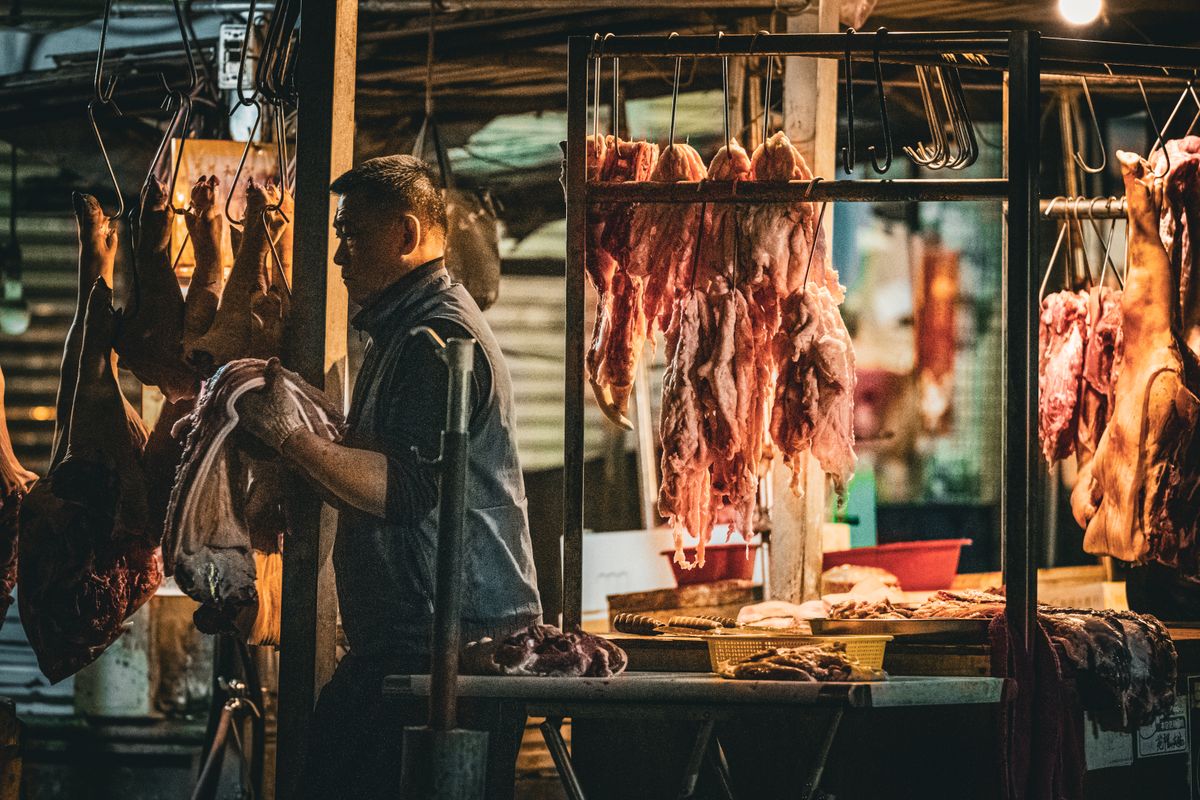
In Hong Kong, walk into any decent siu mei shop and look for the whole chickens hanging in the window alongside the char siu and the roast ducks. You'll ask for a plate over rice — 豉油雞飯 si jau gai faan — and the shop uncle will chop the bird into elegant pieces with the flat side of his cleaver, ladle a small pool of that master-stock sauce over the top, and add a saucer of finely chopped ginger-scallion oil on the side. Add a bowl of soup. Add a Coke. The whole meal costs you less than a coffee in Central. It is the Cantonese lunch as it was meant to be eaten: fast, cheap, and quietly perfect.
📖 Related Articles
👉 Shop Cantonese Guy — Modern Streetwear for the Global Cantonese Community