

Every Cantonese person alive has an opinion about har gow (蝦餃). The wrapper must be translucent enough to see the pink shrimp inside. The pleats — traditionally seven, sometimes ten — must curl in a crescent. The shrimp must snap when you bite. There should be a whisper of bamboo shoot and pork fat, never overpowering the seafood. This is the crown jewel of dim sum, and it is not something Cantonese people negotiate on.
But har gow is also younger than most people realise. It's a 20th-century invention, born in a single teahouse in Guangzhou. The whole global dim sum canon rests on the choices one chef made a hundred years ago in a village near the Pearl River.
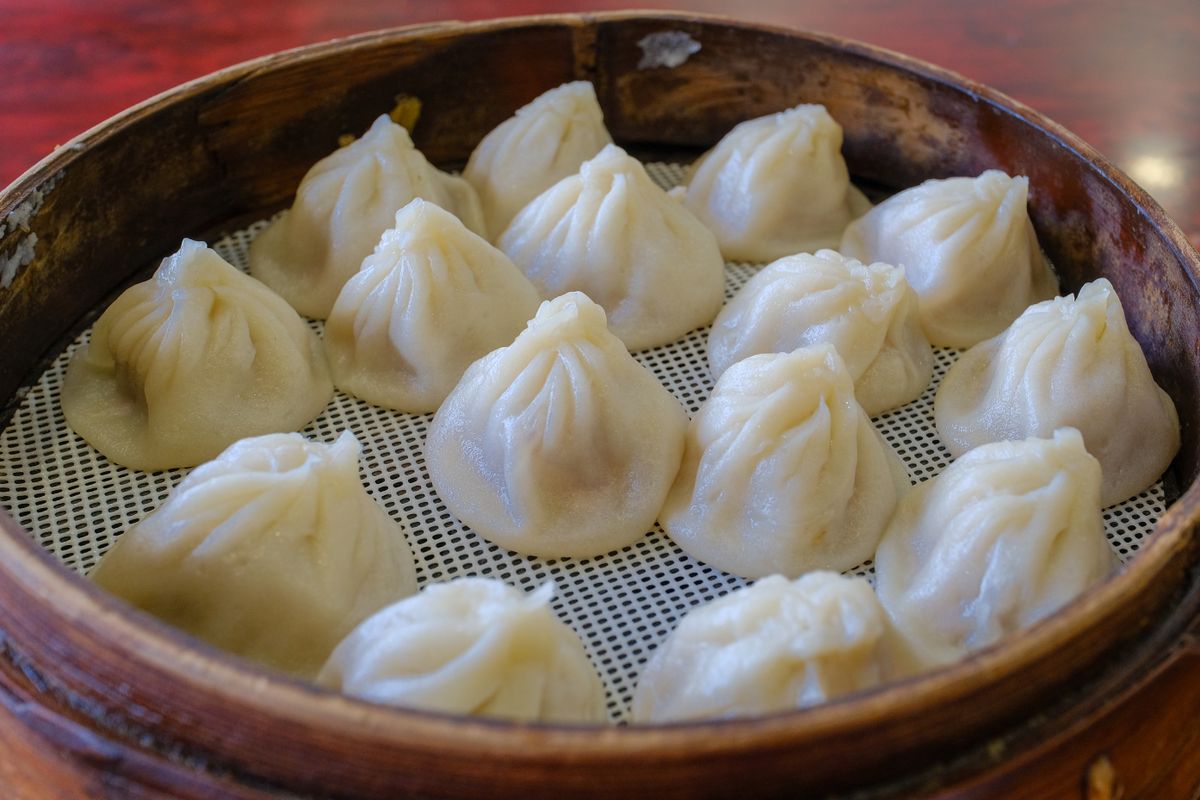
The Birth of Har Gow: Guangzhou, Early 1900s
Har gow was born in the early 20th century at Yi Zhen Teahouse (怡珍茶樓) in Wufeng Village (五鳳村) on the outskirts of Guangzhou. According to the most widely cited origin story, a teahouse chef wanted to invent a dumpling that showcased the freshness of shrimp from the Pearl River Delta. Fish and shrimp were abundant, and Guangzhou was already deep into the yum cha culture that would define Cantonese social life.
The chef's innovation was the wrapper. Traditional flour wrappers were too thick — they hid the shrimp and dulled its flavour. So the har gow wrapper was made from a mix of wheat starch and tapioca starch, kneaded with boiling water. When steamed, it turned glossy and translucent, letting the pink shrimp show through like a promise.
Why It Became the Crown Jewel of Dim Sum
Har gow spread from Yi Zhen Teahouse across Guangzhou and then Hong Kong, becoming the benchmark by which every dim sum kitchen was judged. Along with siu mai, char siu bao, and egg tarts, it is now referred to as one of the "Four Heavenly Kings" (四大天王) of Cantonese dim sum — the four dishes every yum cha restaurant must nail if they want to be taken seriously.
Ordering har gow is an unspoken test. Head to a proper yum cha spot in Hong Kong, and the har gow is the first thing you order — before congee, before cheung fun, before anything else. If the wrapper is chewy or the shrimp is mushy, you know the whole kitchen is off. If they're perfect, you settle in for a long lunch. Real yum cha regulars don't order har gow. They evaluate it.
The Rules of a Perfect Har Gow
Ask ten Cantonese aunties and you'll get ten slightly different rules, but a good har gow satisfies four expectations. First, the wrapper must be translucent — you should see the pink shrimp inside. Second, the pleats: traditionally seven, sometimes as many as ten or thirteen, curling in a neat crescent. Third, the shrimp must be whole or in large chunks, never minced into mush, and must have that signature snap when you bite. Fourth, the filling must be balanced — a whisper of bamboo shoot for crunch and a touch of pork fat for richness, but never so much that you forget you're eating shrimp.
Getting all four right in a wrapper that must survive being lifted with chopsticks from a bamboo steamer is genuinely difficult. It's why har gow chefs in top Hong Kong restaurants often spend decades doing nothing else.

Har Gow and the Cantonese Diaspora
When Cantonese people started emigrating from Guangdong to San Francisco, Vancouver, London, Sydney and beyond in the 20th century, har gow travelled with them. Every Cantonese-run dim sum restaurant on earth serves it. But that global spread also flattened the dish — mass-produced frozen har gow with flavour-less shrimp and gummy wrappers now dominate supermarket freezers in every diaspora city.
For diaspora Cantonese kids, learning the difference between real har gow and cheap har gow is a rite of passage. Your uncle takes you to a proper yum cha in Chinatown, orders the har gow, and watches your face when you realise the frozen version you grew up eating was a pale copy. It's one of those moments where you understand what your parents lost when they left Hong Kong — and what they gave you when they made sure you still knew where good dim sum came from.
A Cantonese Word for the Har Gow Table
爽
song2 — Jyutping romanisation
Meaning: Crisp, springy, satisfyingly snappy — a specific mouthfeel with no clean English equivalent.
Explanation: If you bite into a good har gow and the shrimp snaps back, that's song2. It's one of the most important words in the Cantonese food lexicon. You can also feel song2 emotionally — meaning "refreshed" or "satisfied."
Why Har Gow Still Matters
A hundred years after Yi Zhen Teahouse first served it, har gow has become shorthand for something bigger — Cantonese culinary craftsmanship at its most disciplined. There's no shortcut. You can't automate a translucent seven-pleat wrapper. You can't fake the snap of properly handled shrimp. Every plate is a small demonstration of the Cantonese belief that ordinary food, done properly, is a form of respect.
Next time you sit down for yum cha, order the har gow first. Watch how it arrives. Check the wrapper, count the pleats, listen for the snap. You're not just eating dim sum. You're tasting a hundred years of Cantonese care.
📖 Related Articles
👉 Shop Cantonese Guy — Modern Streetwear for the Global Cantonese Community