

If you've ever pictured Hong Kong without ever setting foot there, the picture in your head is probably half neon. Wong Kar-wai films. Ridley Scott's Blade Runner. Ghost in the Shell. A million Instagram shots of a single bright sign reflected in a puddle. That glow — the dense overhead canopy of red and pink and turquoise Chinese characters — wasn't a movie set. It was the actual sky of Hong Kong, for half a century. And in our lifetime, it's been quietly disappearing.
A decade ago there were over 100,000 neon signs in Hong Kong. Today there are only a few hundred left. This is the story of how the glow built the city, why it's vanishing, and the people fighting to keep it alive.
From a 1920s novelty to a citywide canopy
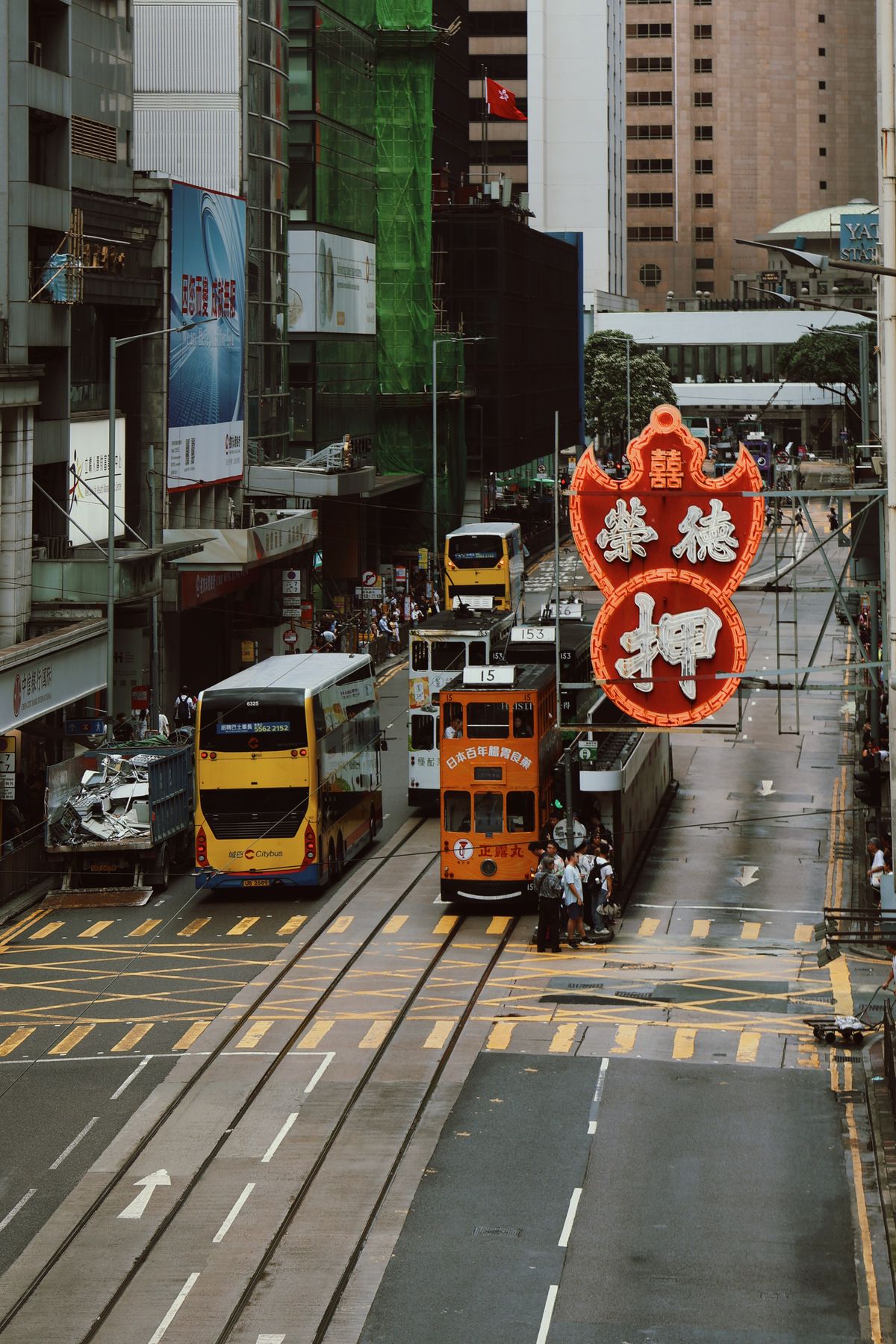
Neon advertising arrived in Hong Kong in the 1920s, just a few years after the technology debuted in Paris. By the 1950s, shops were competing to push their signs further out into the street, brighter, bigger, more elaborate. By the 1980s, entire building facades were swallowed by signage. Restaurants, mahjong parlours, pawn shops, bathhouses, herbal-medicine clinics — every kind of small business had its own bespoke neon character set. The signs weren't just advertising. They were the city's typography — hand-drafted by calligraphers, hand-bent by master craftsmen in workshops in Kowloon.
The craft behind the glow
Making a single neon sign is small-scale industrial poetry. A calligrapher hand-writes the Chinese characters at full scale. A draughtsman traces the strokes. A glass bender — working with a propane torch and decades of muscle memory — heats long glass tubes by hand and curves them into the exact shape of each stroke. The tubes are filled with neon (for red), argon and mercury (for blue), and other gases for the rest of the palette. Each sign is unique. There's no factory shortcut. When a master glass bender retires, that knowledge often retires with them.
Why the signs are vanishing
Two forces are killing Hong Kong's neon. The first is a 2010 government regulation tightening the rules on unauthorised projecting signs — a category that includes most of the iconic horizontal neons that hung out over the road. Thousands have been removed under safety orders since then. The second force is LED. Cheaper to install, cheaper to run, longer-lasting, and (the controversial part) easier to make. LED signs are taking over because they make economic sense. They just don't have the warmth, the slight flicker, the analogue softness that gave Hong Kong its cinematic identity. Like reading Cantonese opera or traditional mahjong on a tablet — the words are there, but something is missing.
The fight to remember
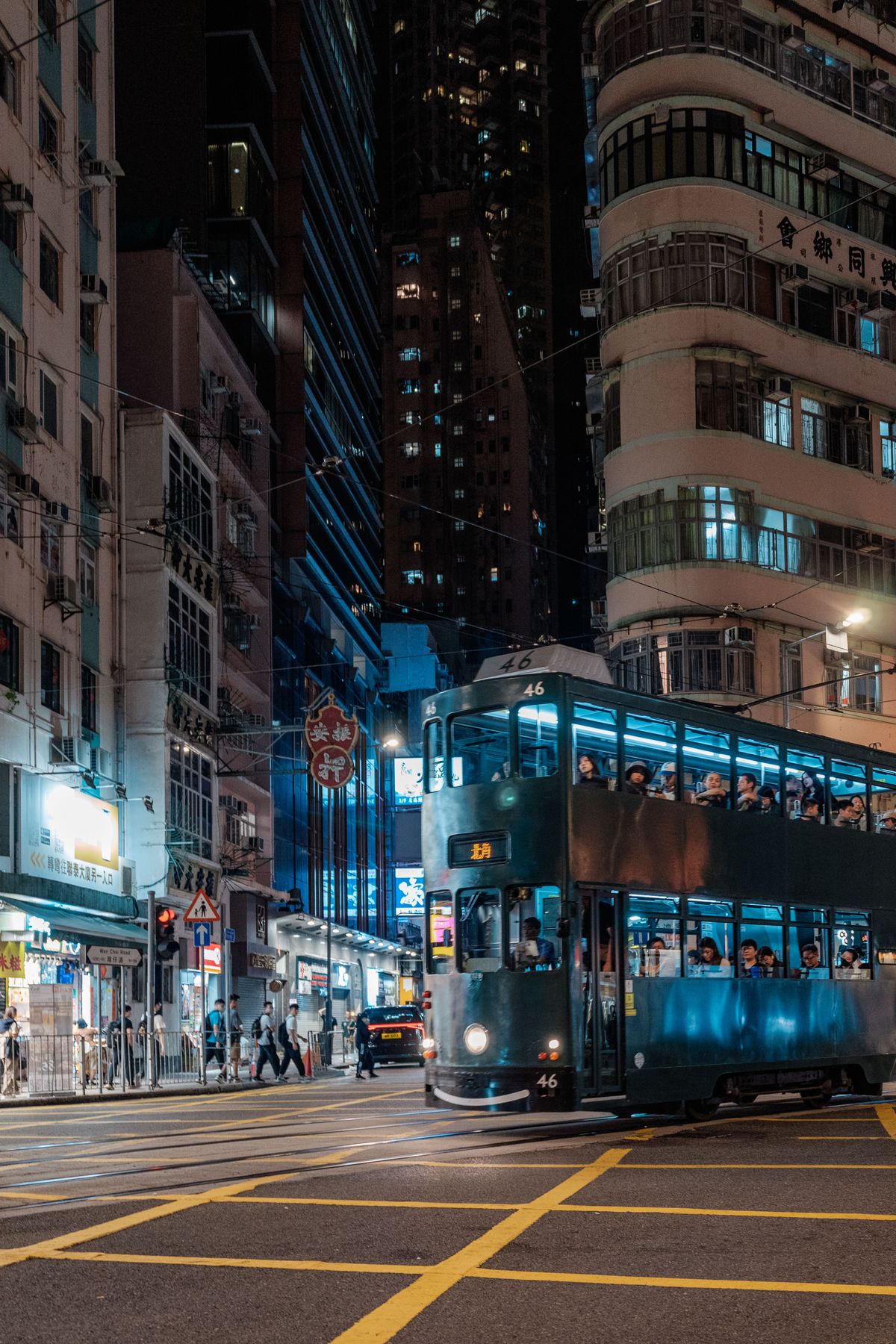
The biggest counter-effort comes from M+, Hong Kong's contemporary visual culture museum. Since 2013, M+ has been collecting historic neon signs from the streets and adding them to its permanent collection. The first two signs to enter were from Sammy's Kitchen — a beloved old Western restaurant in Sheung Wan — and the Kai Kee Mahjong parlour, an icon of Yau Ma Tei. In 2014, M+ launched NEONSIGNS.HK, an online platform inviting Hong Kongers to photograph and crowdsource a map of every surviving sign before it disappears. Independent preservationists, filmmakers, photographers, and even tattoo artists have joined the effort, each in their own way — because once a neon sign is taken down, the workshop that made it often no longer exists to make a replacement.
Why this matters to the Cantonese diaspora
If you grew up overseas with Cantonese parents, those signs are part of your visual inheritance whether you've been to Hong Kong or not. They appear in the films your dad watched on weekends. In the album covers of Cantopop singers like Leslie Cheung and Anita Mui. In the opening sequences of TVB dramas. In the Lunar New Year cards your grandmother sent. The neon glow is shorthand for a specific moment of Hong Kong — the 1980s and '90s heyday, when the city felt like the centre of the universe — and even diaspora kids who've never lived through it feel a tug when they see it.
Where you can still see them
A few districts still hold pockets of original neon. Yau Ma Tei and parts of Mong Kok have surviving signs above pawn shops, dental clinics, and old restaurants. The corner around Temple Street — see our piece on the Temple Street Night Market for more on this neighbourhood — retains some of the densest concentrations. Sai Ying Pun and Wan Chai have a handful. Smaller signs hang above local noodle shops and bakeries that haven't yet switched to LED. The advice from neon photographers is consistent: don't wait. The city is changing fast enough that signs you photograph today may be gone within the year.
A glow worth keeping alive
There's something deeply Cantonese about the neon sign. It's commercial — unapologetically so — but it's also handmade and unique. It's loud, but it's poetic. It crowds the sky, but each character is calligraphy. It is what Hong Kong has always been at its best: hustle and craft, fused. Whatever Hong Kong's skyline becomes in the next 50 years, the neon-soaked image of the city it once was will keep showing up in films, posters, and the dreams of Cantonese kids born thousands of miles from Mong Kok. That's not nostalgia. That's a culture deciding what to remember.
📖 Related Articles
👉 Shop Cantonese Guy — Modern Streetwear for the Global Cantonese Community