

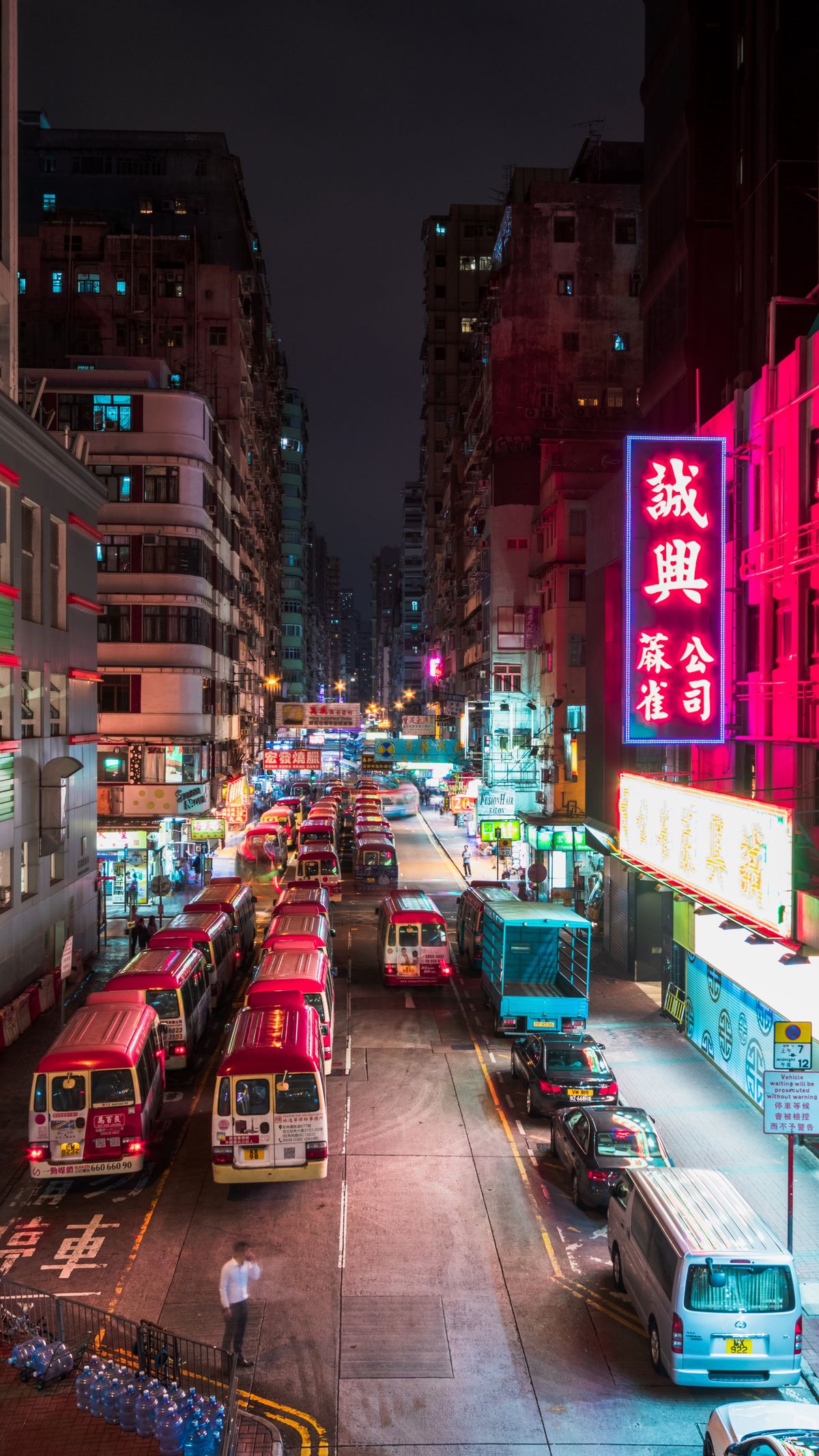
Walk down Temple Street (廟街) after dusk and the smell hits before the lights do — wok smoke, soy sauce char, curry fish balls, garlic frying somewhere off in the distance. The neon flickers on. Fortune tellers set up their folding tables. Cantonese opera singers warm up. For a hundred years this single stretch in Kowloon has been the rowdiest, most cinematic open-air market in Hong Kong.
A Street Built Around a Temple
Temple Street runs through the heart of Yau Ma Tei and Jordan in Kowloon, and it takes its name from the Tin Hau Temple (天后廟) at its centre — a temple dedicated to the sea goddess that has stood on the site since the late 19th century. The earliest known maps mark "Temple Street" in 1887, with the road split into a northern stretch and a southern stretch by the temple grounds themselves.
Long before it became a tourist landmark, the square in front of the temple was a working-class gathering point. By the 1920s, vendors had begun setting up informally there, selling cheap snacks, second-hand goods and everyday necessities. It was a "people's market" in the most literal sense — built by the residents of one of Hong Kong's densest neighbourhoods, for the people who lived there.
How It Became the "Men's Street"
Temple Street picked up its famous nickname — 男人街 (naam4 jan4 gaai1), "Men's Street" — because the early stalls leaned heavily towards men's clothing, watches, lighters, leather wallets and other goods aimed at working men. The label stuck even as the merchandise diversified, and you'll still hear locals use it interchangeably with Temple Street's official name.
The market took its modern shape in the 1970s. Tensions had been growing in 1968 when the colonial government planned to build a Yau Ma Tei community centre on land the vendors had quietly claimed for themselves. Faced with displacement, the hawkers organised and pushed back — and the government eventually responded by designating a legal vendor zone. That formalisation cemented Temple Street as Hong Kong's most iconic night market.
What You Actually Eat There
Temple Street's food culture sits at the heart of why locals love it. The street's dai pai dong (大牌檔) stalls fire up around 6pm and serve some of Hong Kong's loudest, most satisfying cooking. You'll find:
Claypot rice (煲仔飯) in winter, the rice scorched to a crisp at the bottom of a heavy clay pot, topped with Chinese sausage or eel. Spicy crab tossed in a sweet, garlicky sauce. Stir-fried noodles hit with wok hei. Stalls of curry fish balls, oyster omelettes, beef offal in broth, and skewers of cuttlefish. The energy is fast, loud, and unmistakably Cantonese — a working-class kitchen at full volume.
Fortune Tellers and Opera Singers
The Tin Hau Temple square has long been the spiritual end of the market. Rows of fortune tellers (相士) sit beneath low canopies offering palm readings, face readings, bird divination and tarot — some are third-generation practitioners working tables their grandfathers used. Cantonese opera (粵劇) buskers set up nearby, plugging in old amps and singing famous tunes from the golden age of Cantonese opera. It's one of the last places in Hong Kong where the art form lives outside formal theatre halls.
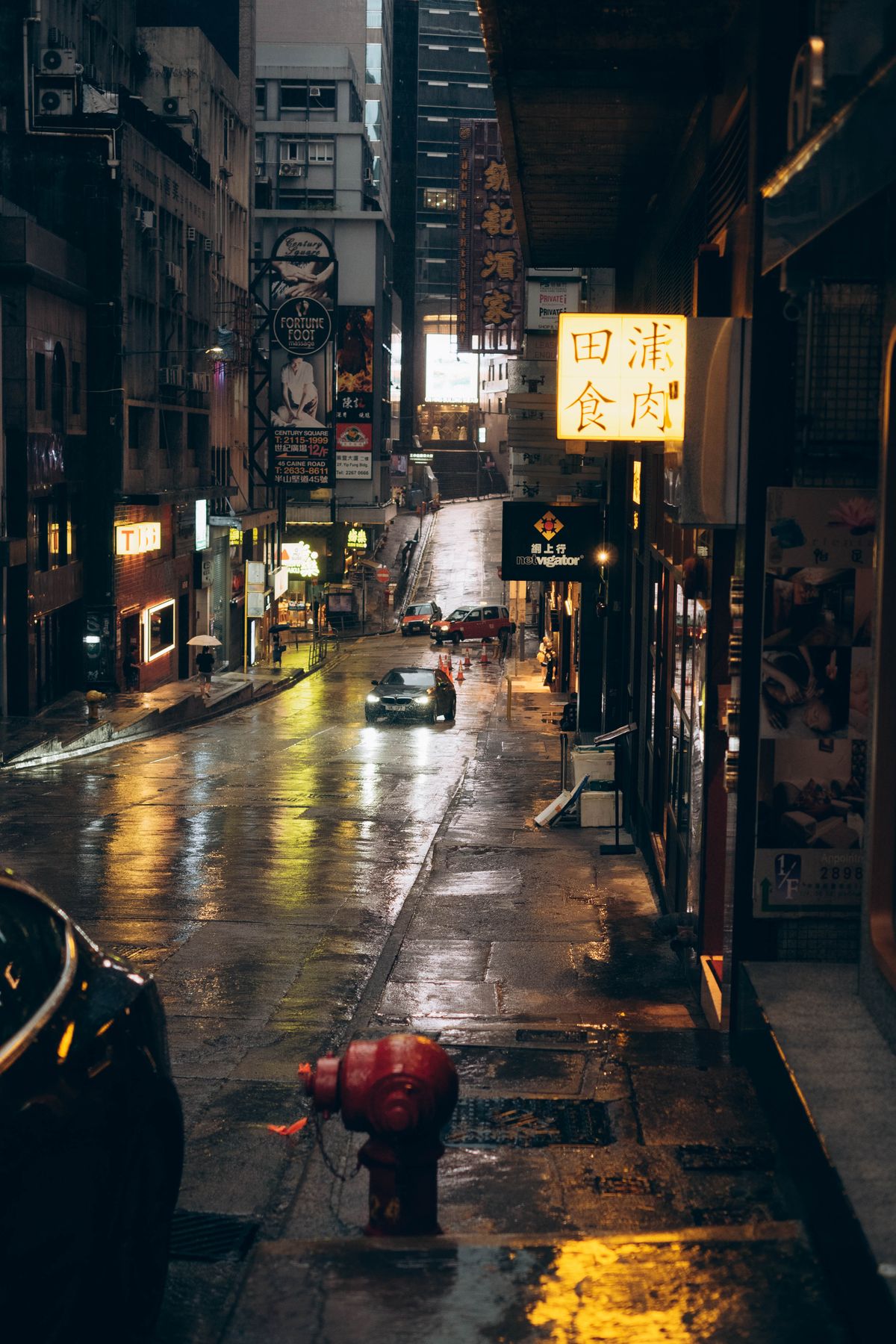
If you've ever seen Johnnie To's film Mad Detective, or any number of '80s and '90s Hong Kong crime thrillers, you've already seen Temple Street. Filmmakers love its visual language — wet streets, hanging signage, sweaty market tables and shadows cast by overhead neon. It's been a backdrop in more films than almost any other Kowloon location.
The Market in 2026
Temple Street has shifted with the times. Tourist-facing stalls now sit beside the old hawkers, selling souvenirs alongside the original wallets and tools. Some classic restaurants have closed; others have third-generation owners trying to preserve the recipes. Hong Kong's Tourism Board has worked to rebrand the area as the "Temple Street Cultural Hub" while still letting the gritty, slightly chaotic character breathe.
The market still opens around dusk and runs until well past midnight. The fortune tellers still pull their stools out at the same hour. The wok smoke still rises. It is one of the few places where you can stand on a single street and feel a hundred years of Cantonese street culture compressed into a few city blocks.
Why It Still Matters
Temple Street is more than a night market — it's a living archive of working-class Hong Kong. Where polished food halls and shopping malls now dominate much of the city, this single stretch keeps the volume up: the haggling, the laughter, the smell of soy and chilli. For the global Cantonese diaspora, it represents what most of us grew up hearing about in our grandparents' stories — the Hong Kong that lived outside, in public, every night of the week.
📖 Related Articles
👉 Shop Cantonese Guy — Modern Streetwear for the Global Cantonese Community