

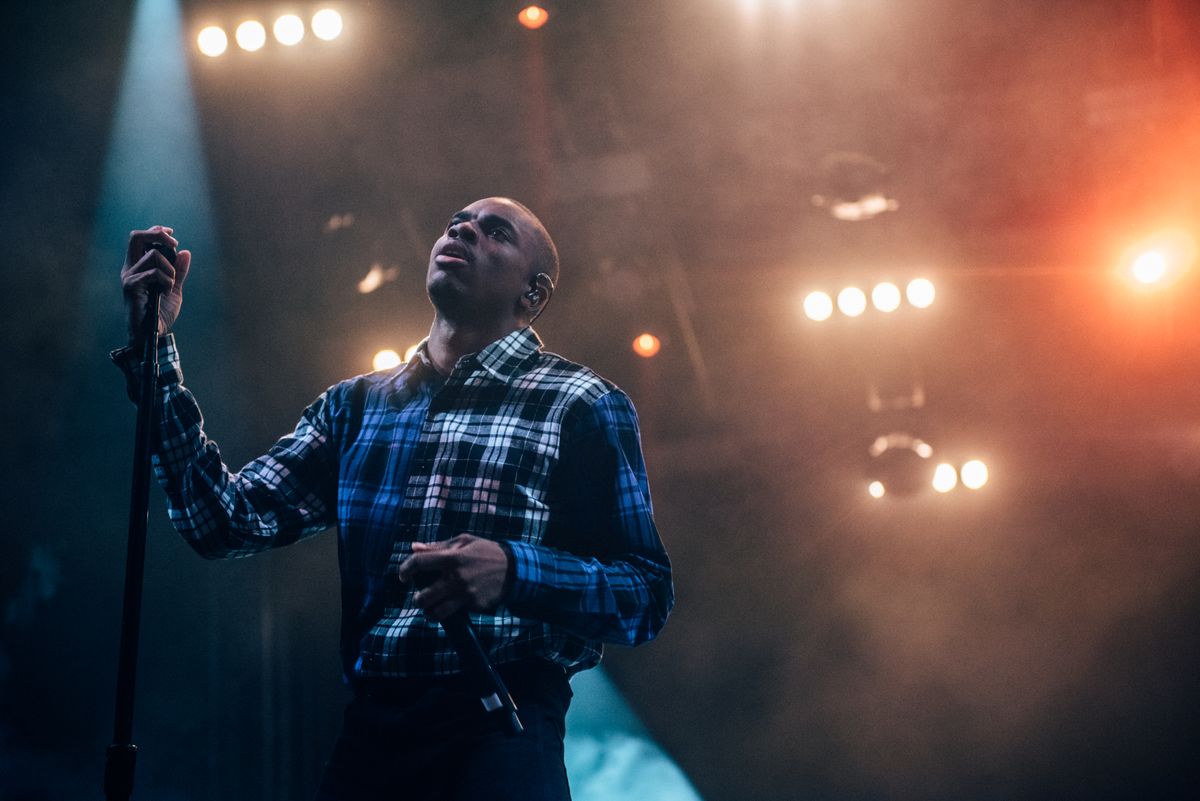
In 1984, a shy 23-year-old warehouse clerk from a working-class corner of Hong Kong Island entered an amateur singing competition on a whim. He won it — beating out over 10,000 other entrants. Forty years later, that same young man is regarded across the Chinese-speaking world as the Cantopop 歌神 (God of Songs), has sold more than 60 million albums, and still fills Hong Kong Coliseum for weeks at a time. This is Jacky Cheung (張學友) — the softest-spoken, hardest-singing of the Four Heavenly Kings.
Who Jacky Cheung is (in one paragraph)
Cheung Hok-yau (張學友) was born on 10 July 1961 and grew up in Quarry Bay on the eastern side of Hong Kong Island. He is a singer, actor, and songwriter, and — along with Andy Lau, Leon Lai, and Aaron Kwok — one of the four Cantopop 四大天王 (Sei3 Daai6 Tin1 Wong4) who dominated Hong Kong music through the 1990s. Where the other three built empires on charisma, dance moves, or acting careers, Jacky built his on one thing: a voice.
His Cantonese roots — the Quarry Bay kid
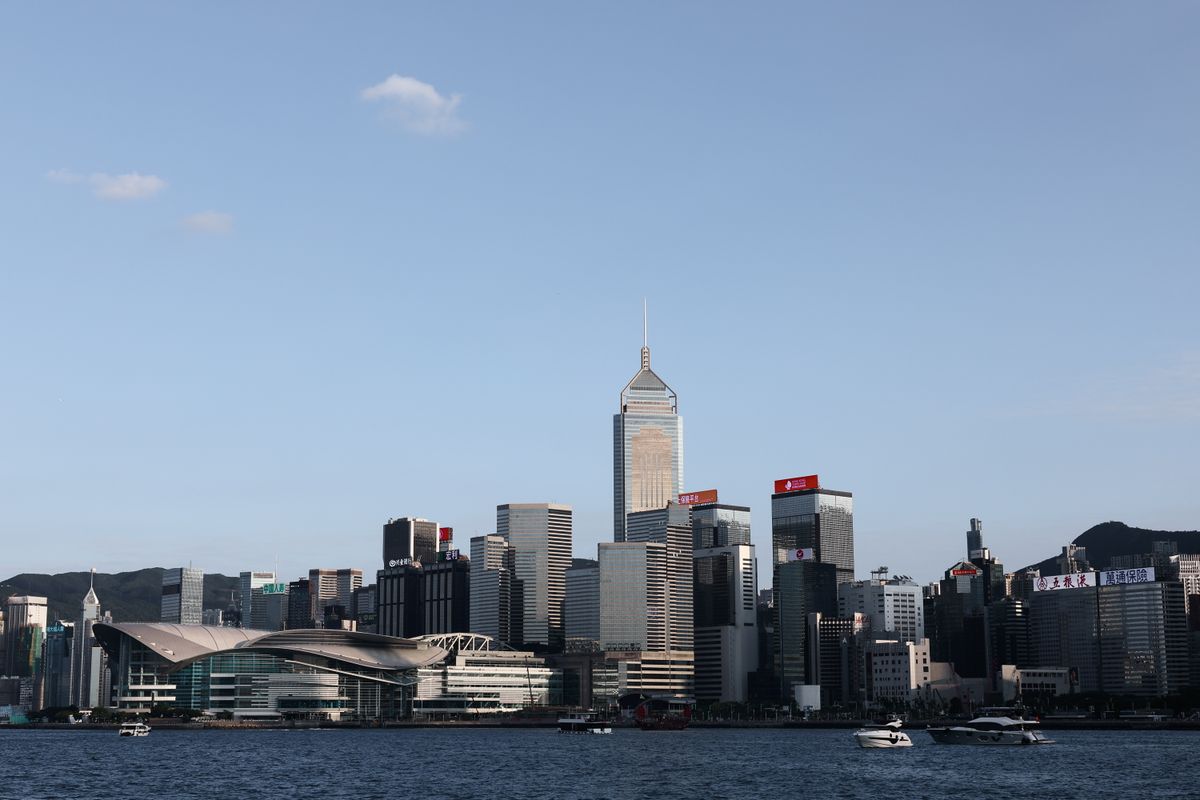
Jacky grew up in a modest Hong Kong household, speaking Cantonese every day. Before music, he worked at Cathay Pacific as a ticketing agent — a very Hong Kong entry point into working life. His accent, his phrasing, the way he breaks Cantonese consonants inside a sung line — all of it is unmistakably local. When he sings in Cantonese, he sings as a Hong Konger who never left the language behind, even after Mandarin megahits took his career across all of Asia.
4 stories that show who he really is
🎤 The 1984 competition that started it all
In 1984, Jacky entered the 18-district New Talent Singing Awards — a huge amateur competition run through Hong Kong. He won the grand prize out of a field of over 10,000 hopefuls, performing Michael Kwan's Cantonese classic 《大地恩情》 (Fatherland). Within a year he had a record deal with PolyGram and his debut album Smile was on shelves. His origin story is famously undramatic: no formal training, no famous parents, just an ordinary Quarry Bay kid with an extraordinary voice.
🍺 The lost years — and the comeback
After a hot start (his 1985 debut Smile sold over 300,000 copies in Hong Kong), Jacky's career stalled badly in the late 1980s. He struggled with drinking, and his sales collapsed. Rather than quit, he pulled himself back — cleaned up, retrained his voice, and came roaring back with a stretch of Cantopop hits that ended up rebuilding his reputation from the ground up. It's one of the great "second act" stories in Hong Kong music.
💿 The album that broke Asia — 吻別
In 1993, Jacky released the Mandarin-language album 吻別 (The Goodbye Kiss). It went on to sell over 4 million copies and became one of the best-selling Chinese-language records of all time. That single album is why grandmothers in Kuala Lumpur, taxi drivers in Taipei, and karaoke rooms in Vancouver all know his voice. And crucially — he refused to abandon Cantopop even when Mandarin was where the biggest money was.
🐺 Snow.Wolf.Lake — the Cantonese musical no one thought could work
On 28 March 1997, Jacky premiered 雪狼湖 (Snow.Wolf.Lake) at the Hong Kong Coliseum — a modern Cantonese-language musical he also served as artistic director for. It ran for 42 consecutive sold-out shows in Hong Kong and later toured across Asia. He kept reviving it across the years, insisting Cantonese could carry the operatic weight of a full musical. It did.
Why the diaspora still calls him 歌神
In a genre that often rewarded looks and dance choreography, Jacky was the one who forced everyone to remember that Cantopop was, first, a singing tradition. His baritone can hold a note through a full 12-bar sweep without cracking, and his interpretive touch — the tiny catches, the pulled-back phrasing at the end of a chorus — is what karaoke singers in every Cantonese-speaking city have been trying to imitate for three decades. Ask any Hong Konger over 30 who the greatest living Cantonese singer is, and you'll get one answer.
Two Cantonese words that live in Jacky's world
歌神
go1 san4 — Jyutping romanisation
Meaning: "God of Songs" — Cantopop's highest possible title.
Explanation: Hong Kong media hands out 天王 (heavenly king) titles fairly freely, but 歌神 is reserved for singers whose vocal technique is considered generationally rare. Sam Hui held the title first. Jacky Cheung is the modern one.
四大天王
sei3 daai6 tin1 wong4 — Jyutping romanisation
Meaning: "Four Heavenly Kings" — the four Cantopop superstars of the 1990s.
Explanation: Coined by Hong Kong media in the early 1990s to describe Jacky Cheung, Andy Lau, Leon Lai, and Aaron Kwok. The phrase borrows from Buddhist mythology and became so iconic that it's still shorthand for that whole era of Hong Kong pop.
Why Jacky Cheung matters to the global Cantonese community
Jacky isn't a flashy story. He didn't die young, he didn't quit at his peak, he didn't chase Hollywood. He just kept singing — in Cantonese, in Mandarin, in his 60s, sold-out night after sold-out night. For the global Cantonese diaspora, that steadiness is exactly the point. In a language that increasingly fights for space in Hong Kong itself, Jacky's voice is a living argument that Cantonese music can still command the biggest stages on earth. Somewhere tonight, in a karaoke room in Sydney or Toronto or London, someone is queuing up 一路上有你 and singing along — and that's the legacy.
📖 Related Articles
- Andy Lau: The Diamond Hill Kid Who Became Cantopop's Hardest-Working Heavenly King
- Leon Lai: The Reluctant Fourth Heavenly King Who Made Cantopop Cool Again
- Aaron Kwok: The Cantonese Dancing Heavenly King Who Never Stopped Moving
- Alan Tam: The Principal of Cantopop Who Walked Away From the Trophy Table
👉 Shop Cantonese Guy — Modern Streetwear for the Global Cantonese Community