

In 1974, Hong Kong cinema was in trouble. Cantonese-language film production had almost collapsed — studios were making Mandarin martial-arts epics for the regional market, and the local Cantonese-speaking audience had begun switching to television instead. Then a former TVB quiz-show host with a sociology degree from Chinese University walked onto a Golden Harvest set with his two younger brothers and a script about compulsive gamblers. The film was called Games Gamblers Play. It netted more than HK$6 million, smashed the box office, and single-handedly resurrected Cantonese as the language of Hong Kong cinema.
That man was Michael Hui Koon-man (許冠文) — the eldest of the four Hui brothers, and quite simply the person Hong Kong comedy is impossible to talk about without. Every mo lei tau punchline Stephen Chow ever delivered began somewhere in a Michael Hui frame from the 1970s.

The Sociology Student Nobody Expected
Michael Hui was born on 3 September 1942, the eldest of four brothers — Michael, Ricky, Sam, and Stanley. He was studious in a way that comedians rarely are. He attended La Salle College, one of Hong Kong's most competitive schools, and then took a degree in sociology from United College at the Chinese University of Hong Kong. He was quiet, bookish, and destined, on paper, for a career analysing social structures rather than mocking them from a movie screen.
TVB changed that. Hong Kong's biggest television broadcaster hired him to host a quiz show, then let him try comedy sketches. Together with his brother Sam — a music prodigy who would later become known as the Godfather of Cantopop — he launched "The Hui Brothers Show" in 1971. It was Cantonese, it was current, it took direct aim at working Hongkongers, and it became appointment television.
The Films That Rebuilt an Industry
By 1974, Hui was ready for the big screen. He wrote and directed Games Gamblers Play with the Hui Brothers Film Company as its inaugural production. It smashed records. Two years later, in 1976, he wrote, directed and starred in The Private Eyes — the third Hui Brothers film — which earned an unprecedented HK$8 million and became the first Hui Brothers comedy to travel internationally. In 1981, Security Unlimited earned him the Best Actor prize at the very first Hong Kong Film Awards.
Between 1974 and 1981, the comedies Hui wrote, directed and starred in — Games Gamblers Play, The Private Eyes, The Last Message, The Contract, Security Unlimited — collectively won Hong Kong's annual box-office championship five times. Nobody else in Hong Kong cinema, before or since, has done that in a single decade.
🎬 He Rescued Cantonese Cinema Almost by Accident
By the early 1970s, Cantonese-language filmmaking had almost stopped — studios were focused on Mandarin martial-arts spectacles for pan-Asian audiences, and local Cantonese films had shrunk to a trickle. When Games Gamblers Play broke every box-office record with a script rooted in working-class Cantonese life, studios re-opened Cantonese production lines almost overnight. Hui didn't set out to save the language on screen. He just wanted to make people laugh in the language he grew up speaking.
🎤 He Directed His Brother Sam Into Pop Music History
Sam Hui wrote and performed the theme songs for every Hui Brothers film — in Cantonese, not Mandarin, at a time when that was a commercial risk. Because the films were massive box-office hits, Sam's Cantonese theme songs became massive radio hits. Cantopop as a mainstream genre owes half its 1970s momentum to the fact that Michael put his brother's Cantonese songs into the biggest movies of the decade.
🦆 Chicken and Duck Talk Beat Everyone in 1988
By the late 1980s, action stars ruled Hong Kong cinema — Jackie Chan, Chow Yun-fat, John Woo. Then Michael Hui co-wrote and starred in Chicken and Duck Talk, a small comedy about an old-school Cantonese roast-duck shop competing with a modern fried-chicken chain. It out-grossed everything, taking HK$29.4 million to become the highest-earning Hong Kong film of 1988. A middle-aged sociology graduate had beaten every action star in town with a story about small Cantonese businesses.
🏢 He Founded the Hong Kong Performing Artistes Guild
In 1993, Hui became the founding president of the Hong Kong Performing Artistes Guild, which advocates for working conditions and dignity for local actors. It's a role he took as seriously as any film — the sociology student inside him never really left.
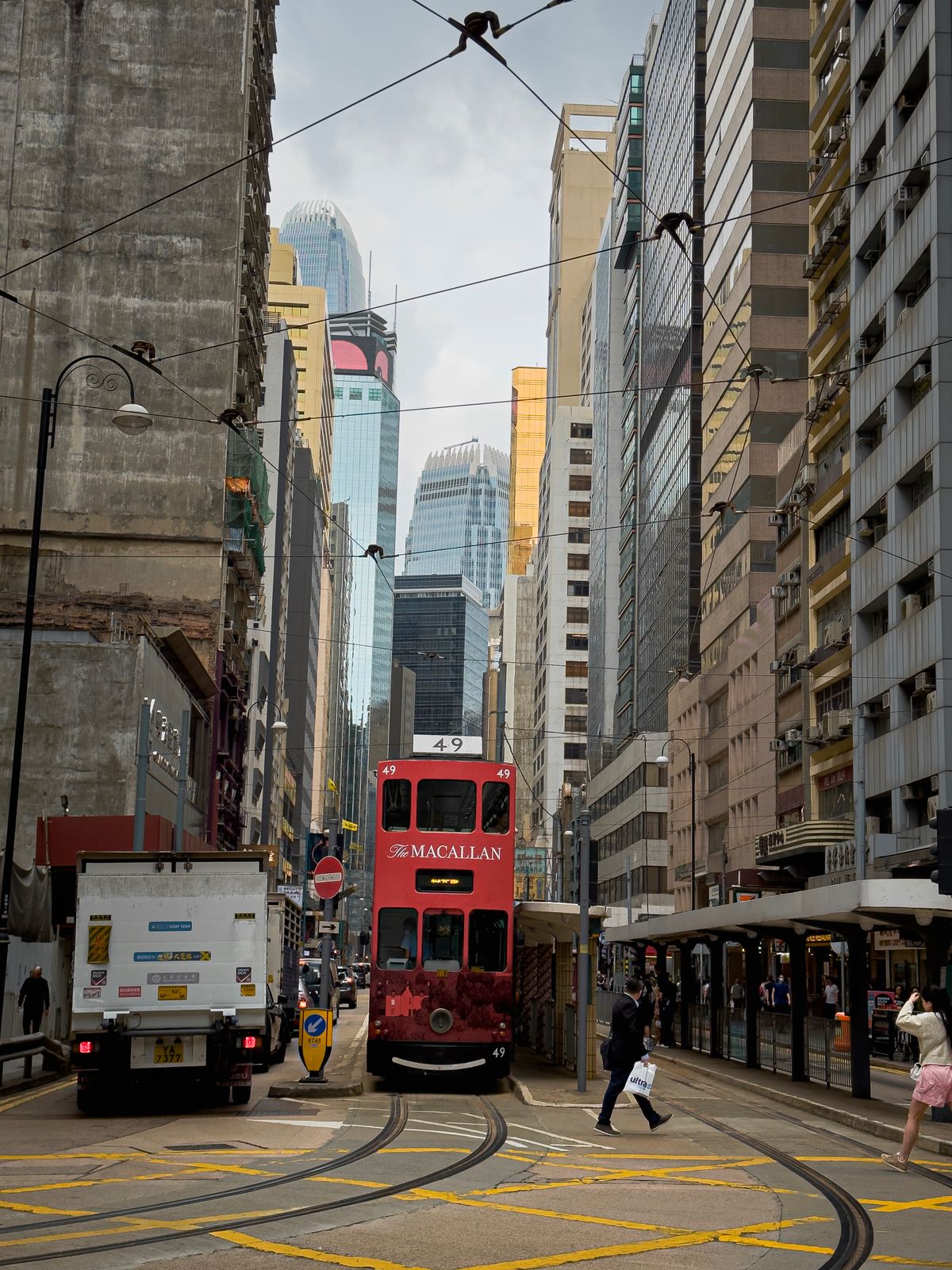
His Cantonese Legacy: The Blueprint for Every Comedy That Came After
Watch a Stephen Chow film. Watch anything from the Golden Harvest catalogue in the 1980s. Watch the way Cantonese comedy leans on physical clumsiness and verbal quickness, the way it makes working-class characters into philosophical heroes, the way punchlines mix cheap slapstick with real social observation. All of it comes from Hui.
He also gave Cantonese cinema a specific type of protagonist: the small-time boss, the corner-cutting employee, the middle manager just trying to survive. These weren't martial-arts masters or triad kings. They were the actual people who ate in cha chaan teng, rode the MTR, and hustled for the next month's rent. Hui gave them faces on screen — and gave the language they spoke its cinematic voice.
A Cantonese Phrase Michael Hui Made Famous
A key Hui move was making everyday Cantonese vocabulary into cinema. This one below — the word for a comedic mess or embarrassing situation — shows up constantly in his scripts.
尷 (gwaan6)
gwaan6 — Jyutping romanisation
Meaning: Embarrassed, awkward, in a jam.
Explanation: A perfectly Cantonese one-syllable word for that specific feeling when you get caught out doing something stupid. Michael Hui's characters spent entire films in a state of 尷.
Why He Still Matters to the Cantonese Diaspora
Michael Hui is 83 years old and still occasionally acts. His last major dramatic performance, in the 2022 film Table for Six, won him a Golden Horse Award for Best Supporting Actor at age 80 — half a century after his first hit. That kind of career doesn't happen without a foundation. And the foundation is this: he made Cantonese cinema commercially viable when it was almost dead, and he gave it a comic identity so distinct that it still shapes what a "Hong Kong film" looks like today.
For a global Cantonese kid who grew up watching The Private Eyes or Chicken and Duck Talk on a scratched VCD in Vancouver, Sydney, or London, Michael Hui isn't just a filmmaker. He's the reason those films existed in Cantonese at all. He turned a language, a class, and a city into cinema — and then handed the blueprint to everyone who came after.
📖 Related Articles
👉 Shop Cantonese Guy — Modern Streetwear for the Global Cantonese Community