

According to Cantonese village legend, poon choi (盆菜) was invented in a hurry. As Mongol armies pressed south during the late Song dynasty, the fleeing young Song emperor and his troops passed through what is now Guangdong and the Hong Kong region. The local villagers wanted to feed them properly — but there were more soldiers than serving dishes. So the villagers piled every good ingredient they had into large wooden washbasins and passed them around, one basin per group of eight.
Nearly 750 years later, Cantonese families are still eating out of the same basin. Only now it's for Chinese New Year, weddings, spring ancestor worship, and any other celebration a walled village elder deems worthy.
What Poon Choi Actually Is
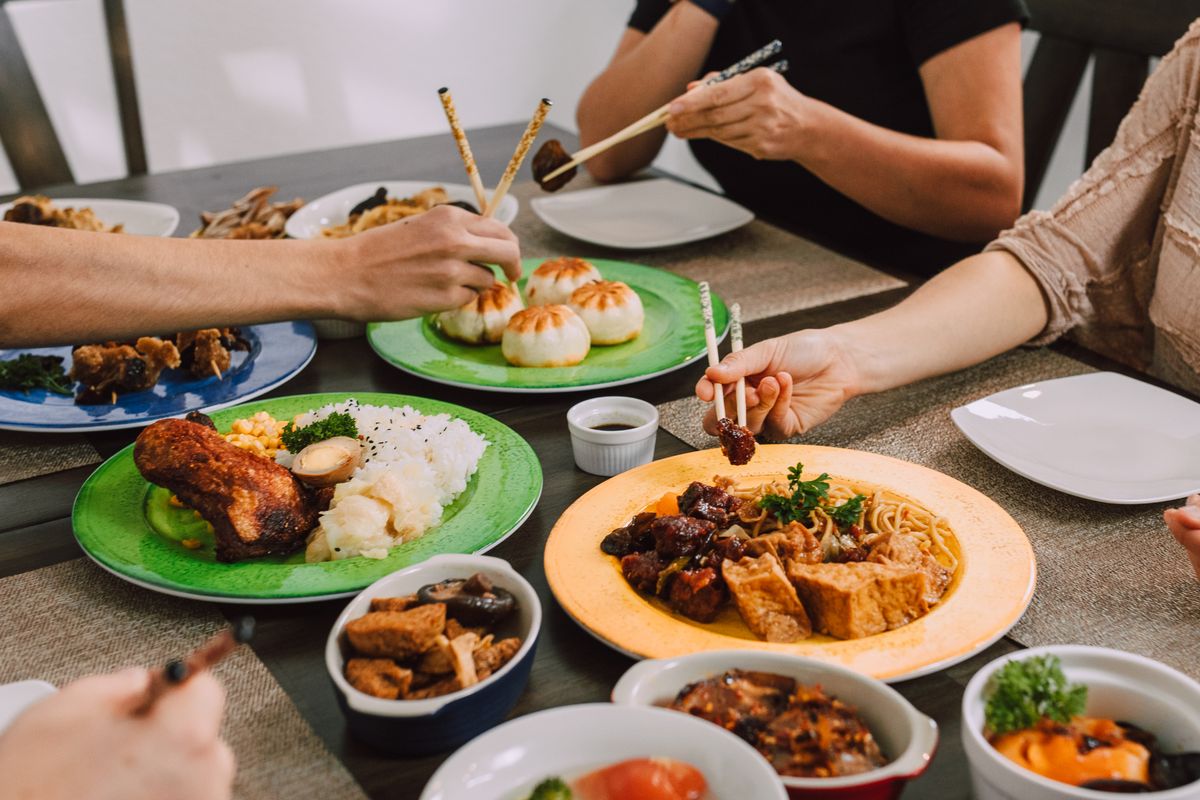
Poon choi — pun4 coi3 in Jyutping — literally means "basin dish." It's a layered, one-vessel feast built to be shared communally by eight to twelve people around a single round table. There are no serving platters, no individual plates for the mains. Just a single deep basin, a lazy Susan if you're lucky, and everyone reaching in with chopsticks.
The layers are assembled by strict tradition. The heaviest ingredients — daikon radish, taro, dried tofu — line the bottom, absorbing juices from everything above. Then come the middle layers: braised pork belly, mushrooms, fried fish, dried oysters, pigskin. The top layer is where you show off: whole poached chicken, roast duck, king prawns, abalone, sea cucumber. A great poon choi is a diagonal cross-section of Cantonese festive luxury.
The New Territories Villages That Kept It Alive
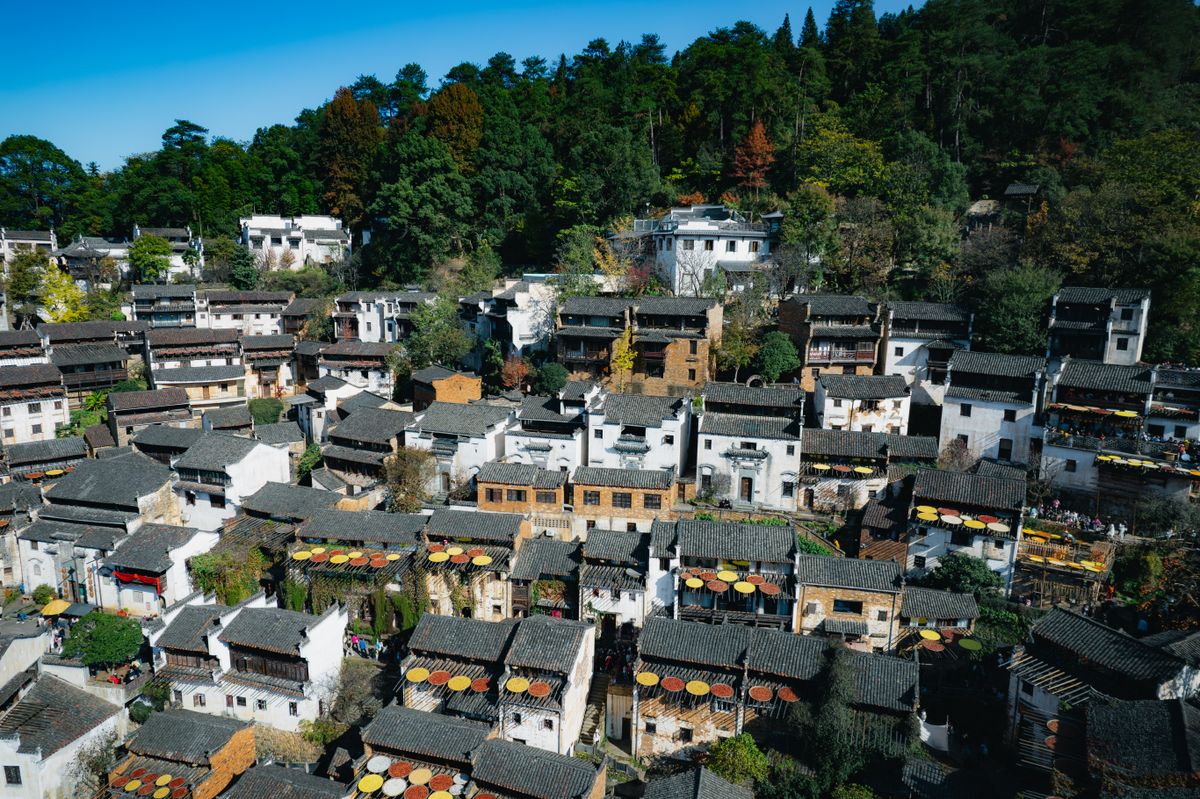
While the origin story travels back to the Song dynasty, the modern practice of poon choi is inseparable from the walled villages of the New Territories — settlements founded centuries ago by the "Five Great Clans": the Tang (鄧), Hau (侯), Pang (彭), Liu (廉) and Man (文) families. Their fortified villages, some still ringed by stone walls today, developed a Cantonese-Hakka fusion cuisine and turned poon choi into the centrepiece of every clan festival: spring ancestor worship, boy-birth celebrations, temple anniversaries, and Chinese New Year reunion dinners.
For centuries, poon choi barely existed outside these villages. Urban Cantonese diners in Guangzhou and Hong Kong island considered it too rustic — a village-uncle dish, not something you'd serve in a proper restaurant. That changed in the 1990s, when Hong Kong chain restaurants started catering New Year poon choi to city families who wanted a taste of "authentic" village tradition. Now every supermarket, hotel, roast-meat shop and even 7-Eleven runs a poon choi pre-order campaign each January.
How the Layers Get Assembled
A traditional walled-village poon choi is cooked outdoors, in giant iron woks, by teams of village men who have been doing it for decades. Each ingredient is prepared separately — the chicken poached and cut, the pork belly braised until it falls apart, the radish stewed until translucent, the mushrooms soaked in oyster sauce, the pigskin fried until crispy then softened in broth.
Then comes the assembly. Two men lift the basin. Root vegetables go in first. Then meats. Then seafood. Then the "face" — the whole poached chicken or the roast duck laid on top, glistening, unmistakable. Sauce is ladled through the layers so the juices marry as you eat down. It's the same architectural instinct that makes a great beef brisket bowl or a proper Cantonese congee — Cantonese cooking has always been about layering flavour vertically.
What Poon Choi Means in Cantonese Culture
The word that Cantonese people use to describe eating poon choi is 團圓 (tyun4 jyun4) — "reunion, coming full circle." The basin's roundness is intentional. Everyone sits together. Everyone eats from the same pot. Grandparents and grandchildren fish out the same braised mushroom. Nobody gets a private portion. That symbolism — one clan, one basin, one meal — is why poon choi has become the unofficial dish of Cantonese Lunar New Year in Hong Kong.
It also carries an unspoken generosity. If a family orders a poon choi for eight but a cousin brings a friend, you just add another chair. There's always more in the basin. That flexibility is very Cantonese. So is the message it sends: our table is your table, and there's no such thing as running out.
Poon Choi in the Diaspora
In Cantonese communities from Sydney to Toronto to San Francisco, poon choi has become a diaspora import. Vancouver Chinese restaurants in Richmond BC and Toronto's Spadina now offer New Year poon choi delivery boxes; London Cantonese families in Gerrard Street order theirs weeks in advance. Some diaspora versions have adapted — Australian ones might include local abalone, Peruvian chifa-influenced ones might swap in different roast meats — but the shape stays the same. One basin. One table. One clan.
For anyone in the diaspora sitting down to their first poon choi, the advice from every Cantonese aunty is the same: don't wait, dig in, and eat down through the layers. The bottom of the basin — where all the juices have collected — is where the flavour lives.
📖 Related Articles
👉 Shop Cantonese Guy — Modern Streetwear for the Global Cantonese Community