

Every year on the first day of the seventh lunar month — which in 2026 falls in mid-August — something quiet and old wakes up in Hong Kong. In housing estates, temple courtyards, sports grounds and empty lots across the city, small piles of paper offerings appear on the pavement. Old aunties bow with sticks of incense. Bamboo stages get built overnight for Cantonese opera performances that no living person will be watching. The city, for one month, opens its doors to its dead.
This is Yu Lan Jit (盂蘭節), known in English as the Hungry Ghost Festival. And in Hong Kong, it is not just tradition — it is officially recognised heritage.
What the Festival Actually Is
According to traditional Cantonese and wider Chinese belief, the seventh lunar month is when the gates of the underworld open and restless spirits — the "hungry ghosts" — return to walk among the living. These are not benevolent ancestors. They are wandering souls with no descendants to burn offerings for them, or spirits who died in ways that left them stuck between worlds. Left unfed, they cause bad luck. Fed properly, they leave you alone for another year.
The 15th day of the lunar month is the climax — the Hungry Ghost Festival proper — but the observance stretches across the entire seventh lunar month. In Hong Kong, that means offerings, prayer rites, opera performances and food distribution happening almost daily somewhere in the city, for four straight weeks.
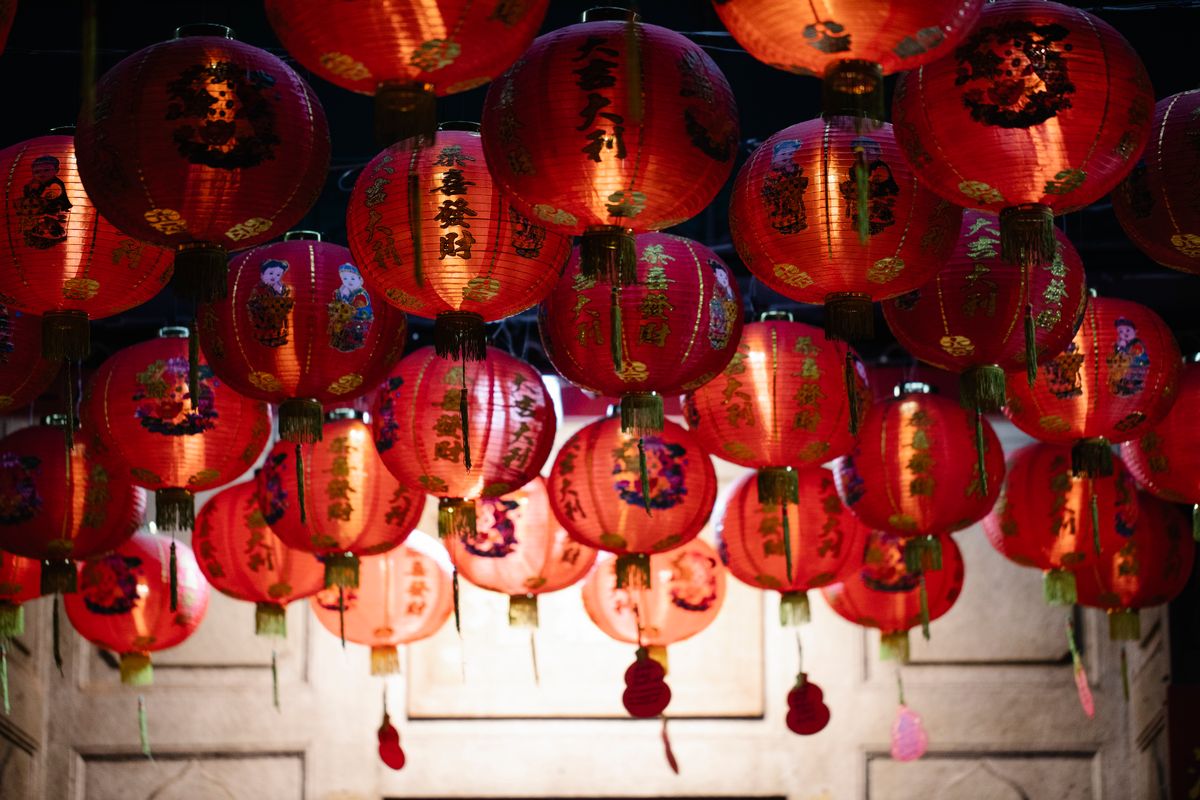
Why Chiu Chow People Own This Festival in Hong Kong
Hong Kong is a Cantonese city, but Yu Lan Jit in its most elaborate form belongs to the Chiu Chow (Teochew / 潮州) community. There are roughly 1.2 million people of Chiu Chow origin in Hong Kong — the descendants of migrants who arrived from eastern Guangdong from the mid-19th century onward, many of them fleeing famine, war and dislocation. They brought Yu Lan Jit with them and never let it go.
The Chiu Chow Yu Lan Festival has been observed in Hong Kong since the 1860s. Each neighbourhood association runs its own event, typically over three days at the peak, but with rites building up for weeks beforehand. Volunteers set up giant paper effigies of the "Ghost King" (大士王), erect bamboo opera stages, and cook massive quantities of rice to distribute for free — both to the neighbourhood's living residents and, symbolically, to the wandering dead.
The Ritual You Are Most Likely to See
If you walk through any Hong Kong neighbourhood during the seventh lunar month, this is what you will encounter:
• Small pavement piles of burning joss paper — hell money, folded paper clothes, sometimes tiny paper mobile phones or paper cars. These are offerings to specific ancestors or to any hungry ghost passing by.
• Fruit and cooked food placed on paper plates on the ground, alongside three sticks of burning incense stuck into a cup of rice.
• Bamboo-and-tin opera stages that appear overnight in housing estate playgrounds. The performances are for the ghosts — seats in the front row are traditionally left empty for them, and only the back rows are for living audiences.
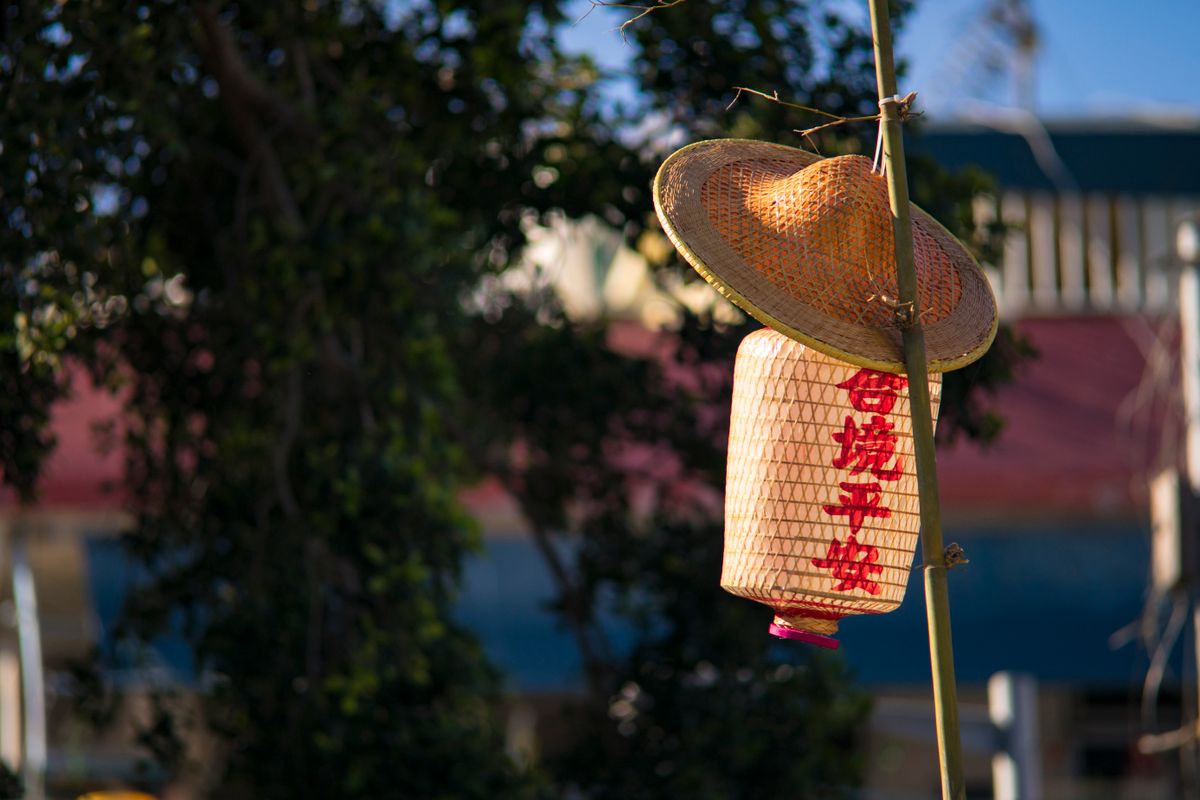
• Distribution of "peace rice" (平安米), free bags of rice handed out at the end of the neighbourhood rite. Older residents queue up early. The rice is said to carry the blessing of the whole ritual.
UNESCO-Recognised Heritage
In 2011, the Chiuchow Hungry Ghosts Festival in Hong Kong was inscribed onto the third national list of Intangible Cultural Heritage of China — a formal recognition that this month-long ritual is not just superstition but living heritage worth protecting. The listing acknowledges everything from the ritual food preparation to the operatic performances to the community organising that keeps it alive year after year.
The Superstitions People Still Follow
Ask any Hong Kong grandma what you should not do during "ghost month" and you will get a full list. Do not swim after dark — water spirits will grab your ankles. Do not whistle at night, or you will call something over. Do not hang laundry outside overnight; a ghost might try it on. Do not get married, do not move house, do not sign business deals, do not start construction if you can avoid it. Even weddings and property closings routinely get shifted around ghost month in Hong Kong, because nobody wants to test the theory.
The rules do not require you to believe. They just require you to be a little careful — which, in Cantonese culture, is often the same thing.
The Cantonese Word for the Season
鬼月
gwai2 jyut6 — Jyutping romanisation
Meaning: Ghost Month. The seventh lunar month.
Explanation: Literally "ghost month." In everyday Cantonese speech, 鬼月 is the umbrella term for the entire seventh lunar month period during which Yu Lan Jit is observed. When a Cantonese person shrugs and says 現在係鬼月, they mean: "It is ghost month right now, so let us not push our luck."
Why Yu Lan Jit Still Matters
Hong Kong is one of the densest, most modern cities in the world. It has 5G, IPO towers, Michelin restaurants on every block. It also, for one month every year, feeds its dead. That contradiction is very Cantonese: the same culture that will out-hustle the world at business will also stop, light incense on the pavement, and bow to a ghost you cannot see. Practical and reverent. Modern and old. Both at once.
For the global Cantonese diaspora, Yu Lan Jit is one of those traditions that gets quietly kept alive in Chinatown temples and back kitchens — not because everyone believes literally in hungry ghosts, but because tending to the dead is how Cantonese communities have always taken care of each other. If you want to explore other Cantonese festivals, see our pieces on Cheung Chau Bun Festival and Mid-Autumn Festival.
📖 Related Articles
👉 Shop Cantonese Guy — Modern Streetwear for the Global Cantonese Community