

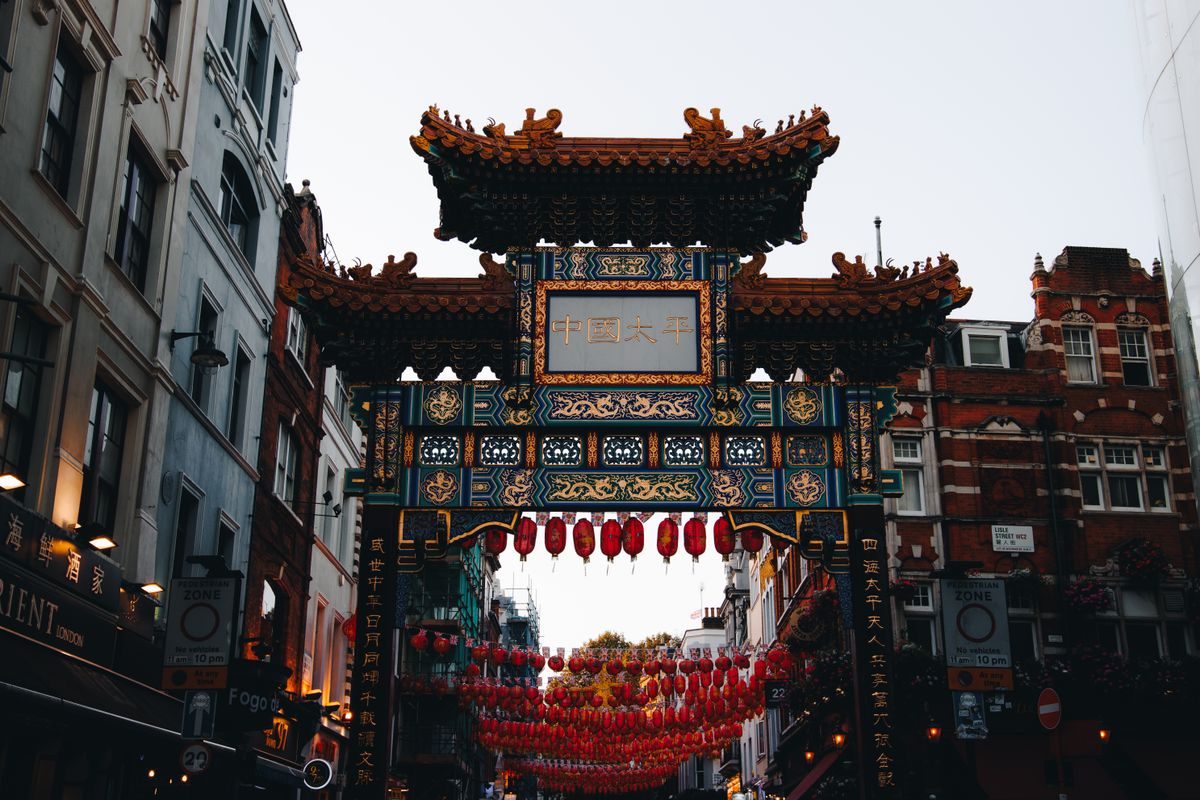
Walk through the red-painted gates of London's Chinatown today and you'll hear Mandarin, English and a dozen other languages — but listen closely and you'll catch the unmistakable cadence of Cantonese. The Pearl River was 6,000 miles away, but for half a century, this small stretch of Soho was effectively a Cantonese village. This is the story of how Hongkongers and Guangdong seafarers built one of Europe's most famous Chinatowns from scratch.
Before Soho: The Limehouse Years
London's first Chinatown wasn't in Soho at all. From the late 1700s onwards, Chinese seafarers — most of them from Guangdong, with a smaller number from Shanghai — began settling in Limehouse, in the East End docklands. They worked the East India Company tea ships, ran laundries, opened boarding houses for sailors and small restaurants serving fellow seamen. By the early 20th century, Limehouse had Chinese tea shops, gambling rooms and herbalists clustered around Pennyfields and Limehouse Causeway.
That community was largely destroyed by Luftwaffe bombing during the Blitz of 1940 and 1941. The docks were a primary target, and the residential streets around them were flattened along with them. After the war, the Limehouse Chinese population scattered — and Britain's much larger Cantonese community was about to arrive.
The Hong Kong Wave: Soho in the 1950s
In the 1950s, two things happened at once. The first was that Soho — then a slightly disreputable part of central London — had cheap rents and short leases on offer, ideal conditions for immigrants without much capital. The second was that British nationality law, applied to a colony like Hong Kong, allowed Hongkongers to come to the UK without immigration restrictions.
Many of the new arrivals came from villages in the New Territories, where the post-war collapse of the rice trade had pushed entire generations to look for work overseas. They settled around Gerrard Street and Lisle Street, opened restaurants, supplied groceries to their countrymen, and within a decade had built a small Cantonese commercial district in the heart of Theatreland.
A Catering Empire Built On Cantonese Food
Post-war Britain was hungry for something new, and Cantonese restaurants delivered it. Roast meats, sweet-and-sour pork, chow mein, dim sum — dishes that would have seemed exotic in 1955 became Friday-night staples within a generation. By the 1970s the number of Chinese-run businesses in the Gerrard Street area had expanded sharply, and most of them were Cantonese-owned and Cantonese-staffed.
Many of those restaurants weren't really aimed at British diners at all — they were community spaces where Cantonese cooks, waiters and delivery drivers could eat a proper meal of roast goose or steamed fish at the end of a shift. The famous "after midnight" dim sum tradition in Chinatown began as a way to feed restaurant workers from across London who finished service late. A British diner stumbling in at 1am was a happy accident.
The Paifang and the Modern Identity
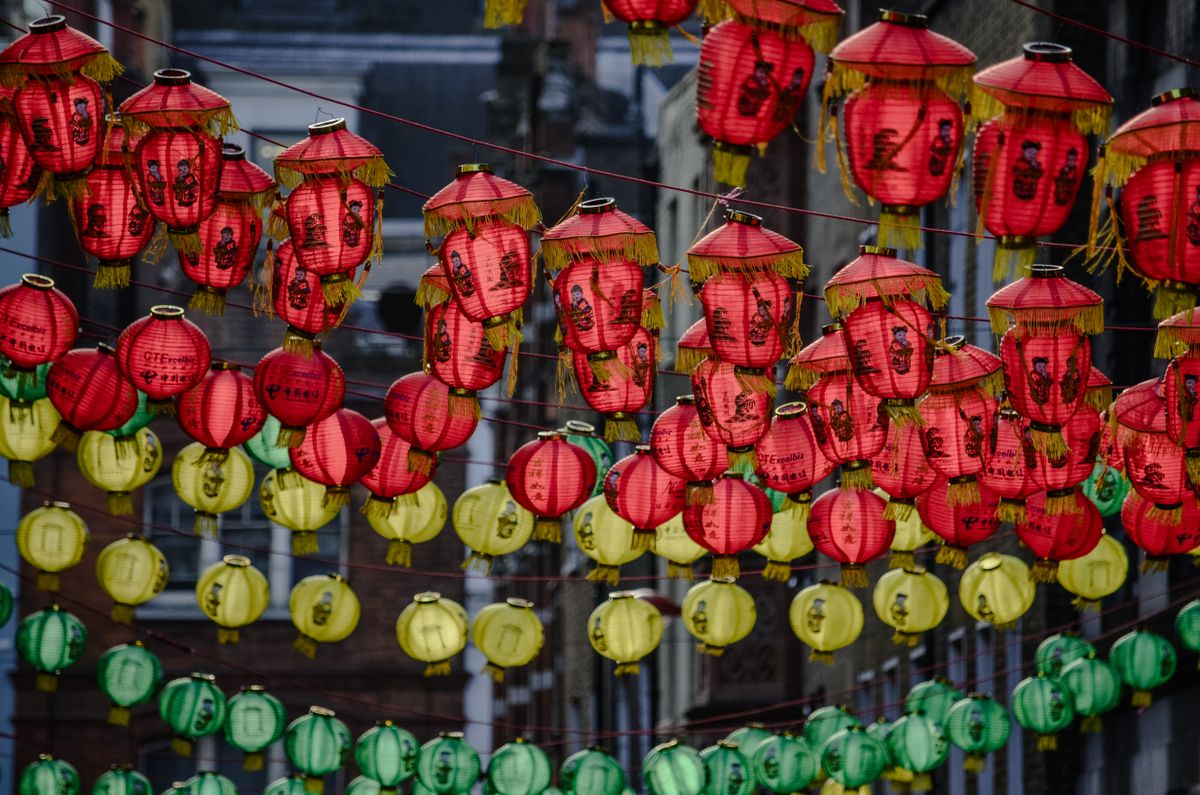
The familiar paifang gates that mark Chinatown today are relatively new — the original arches were erected in the mid-1980s, and a much grander four-pillar gate followed in 2016 at the Wardour Street entrance, opened by then-Prince Andrew. They sit on streets that were pedestrianised in the 1980s, when Westminster Council formally recognised the area as London's Chinatown.
Walk through them on any weekend and the cross-section of the Cantonese diaspora is right there: third-generation British-born Hongkongers eating at the same restaurants as new arrivals from the post-2020 BN(O) visa wave, while tourists queue for bubble tea and roast duck rice. The accents have softened, the menus have widened to include Sichuan, Hunan and Taiwanese — but the Cantonese root is still visible in nearly every storefront.
The BN(O) Wave: A New Chapter
Since the UK opened the British National (Overseas) visa route to Hongkongers in early 2021, more than 160,000 people have moved from Hong Kong to Britain. While the new arrivals have settled across the country — Manchester, Reading, Sutton and Kingston are now home to large Cantonese communities — Chinatown remains the symbolic centre. New cha chaan tengs have opened on Lisle Street, and you can hear teenagers speaking Cantonese in line for fishball noodles on a Tuesday afternoon.
It's a reminder that diaspora communities are never finished. Chinatown London began as a refuge for war-displaced seafarers, became a Hong Kong commercial outpost, and is now absorbing yet another generation. Like Cantonese communities in Toronto and San Francisco, it carries the language and the cooking and the small everyday gestures of home, and adapts them to new soil.
A Cantonese Place in the Heart of London
There are bigger Chinatowns in the world. New York's is more populous, San Francisco's is older, Bangkok's is louder. But London's Chinatown is, in the most direct sense, a Cantonese place — built by Cantonese hands, fed by Cantonese kitchens, and carrying Cantonese in its bones. It's worth a visit not just for the food, but for what it represents: a small Pearl River delta tucked between Leicester Square and Piccadilly Circus, still humming after seventy years.
📖 Related Articles
👉 Shop Cantonese Guy — Modern Streetwear for the Global Cantonese Community