

If you want to know what a Hong Konger really cares about, listen to how they talk about money. Cantonese doesn't hide behind polite corporate English — it names the boss (老細), the payday (出糧), the mortgage that eats half your salary (供樓), and the wallet that never seems full enough. Today's dictionary volume covers 12 essential money and business words you'll hear in every cha chaan teng, MTR carriage, and family dinner in Hong Kong.
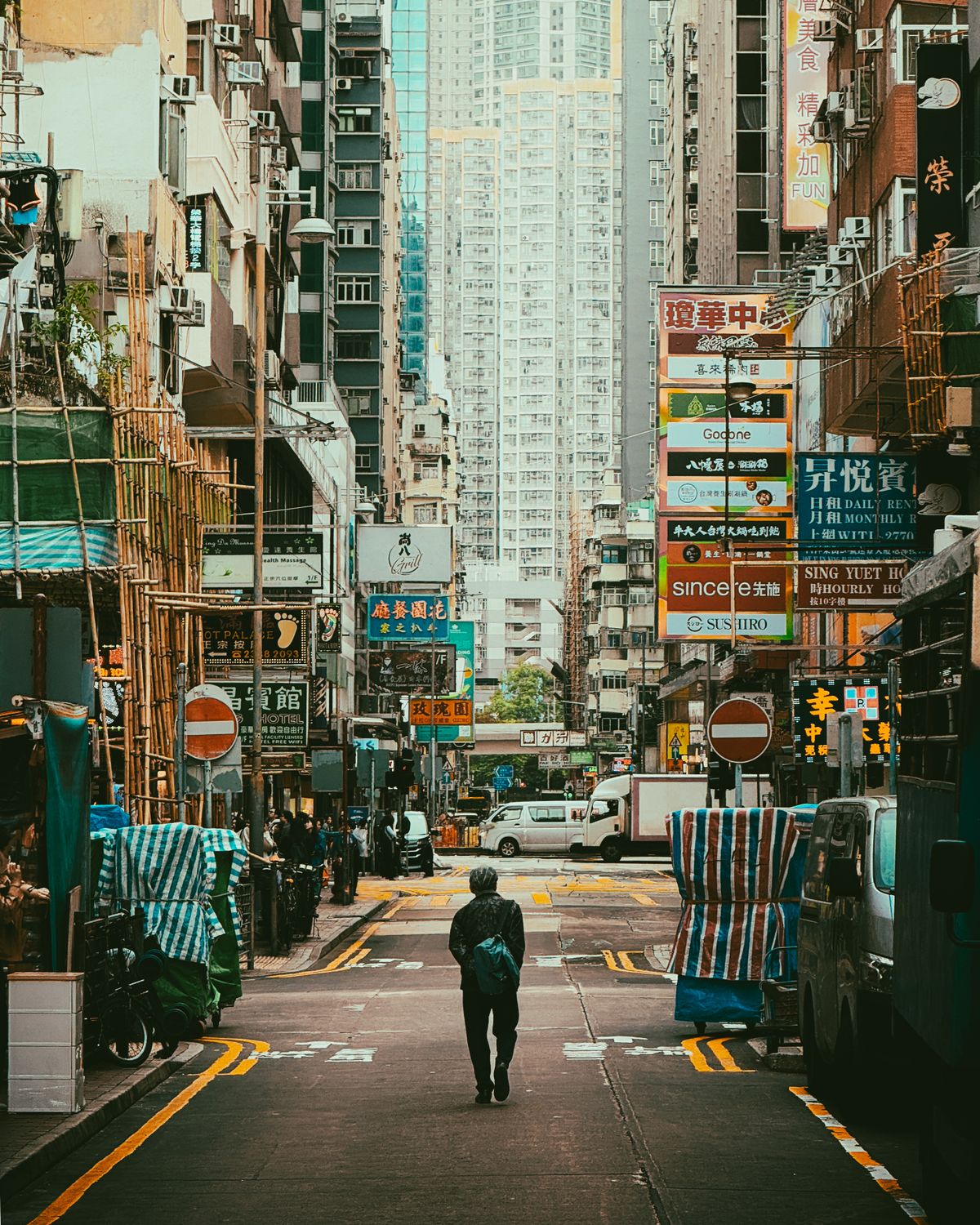
The Cantonese Working World in 12 Words
Hong Kong is one of the most expensive cities on earth, and Cantonese vocabulary reflects that pressure. You'll notice how many words below revolve around losing, saving, and chasing money — a language built for a city where a 400-square-foot flat can cost more than a house in most of the world. Here they are, in order of frequency you'll hear them:
1. 老細
lou5 sai3 — Jyutping romanisation
Meaning: Boss, shop owner, or the guy in charge.
Explanation: The Cantonese word for boss you'll actually hear on the street. It's warmer than 老闆 (Mandarin-flavoured) and works for everyone from your CEO to the auntie behind the fishball stall. Even taxi drivers get called 老細 by passengers as a friendly nod.
2. 打工
daa2 gung1 — Jyutping romanisation
Meaning: To work as an employee (literally "to hit work").
Explanation: The word carries a slight weariness — being a 打工仔 (daa2 gung1 zai2), a working stiff, is a whole Hong Kong identity. It quietly implies you're grinding for someone else's dream, not your own.
3. 出糧
ceot1 loeng4 — Jyutping romanisation
Meaning: Payday. Literally "release the grain" — a leftover from when workers were paid in rice.
Explanation: Hong Kongers say this with genuine joy. 出糧 day is when yum cha gets fancier, dinner gets ordered instead of cooked, and your friends stop dodging your "where should we eat?" texts.
4. 加人工
gaa1 jan4 gung1 — Jyutping romanisation
Meaning: To get a pay rise (人工 = wages, salary).
Explanation: Note that 人工 in Cantonese means "salary," not "artificial" as it does in Mandarin. 加人工 is what everyone whispers about in January and prays for in February. If your boss actually gives you one, you buy hot pot for the whole team.
5. 供樓
gung1 lau4-2 — Jyutping romanisation
Meaning: To pay off a mortgage on a flat.
Explanation: Ask a Hong Konger why they can't join dinner and the answer is often, sadly, 要供樓 — "I have to pay the mortgage." In a city where a shoebox flat can cost HK$10 million, 供樓 is a lifelong sentence more than a financial task.
6. 買樓
maai5 lau4-2 — Jyutping romanisation
Meaning: To buy a flat or apartment.
Explanation: 買樓 isn't just a transaction — it's a life event, a family strategy, and often the reason people delay marriage in Hong Kong. Parents obsess over it. Aunties ask about it at every reunion. The dream is to 買樓 before 35.
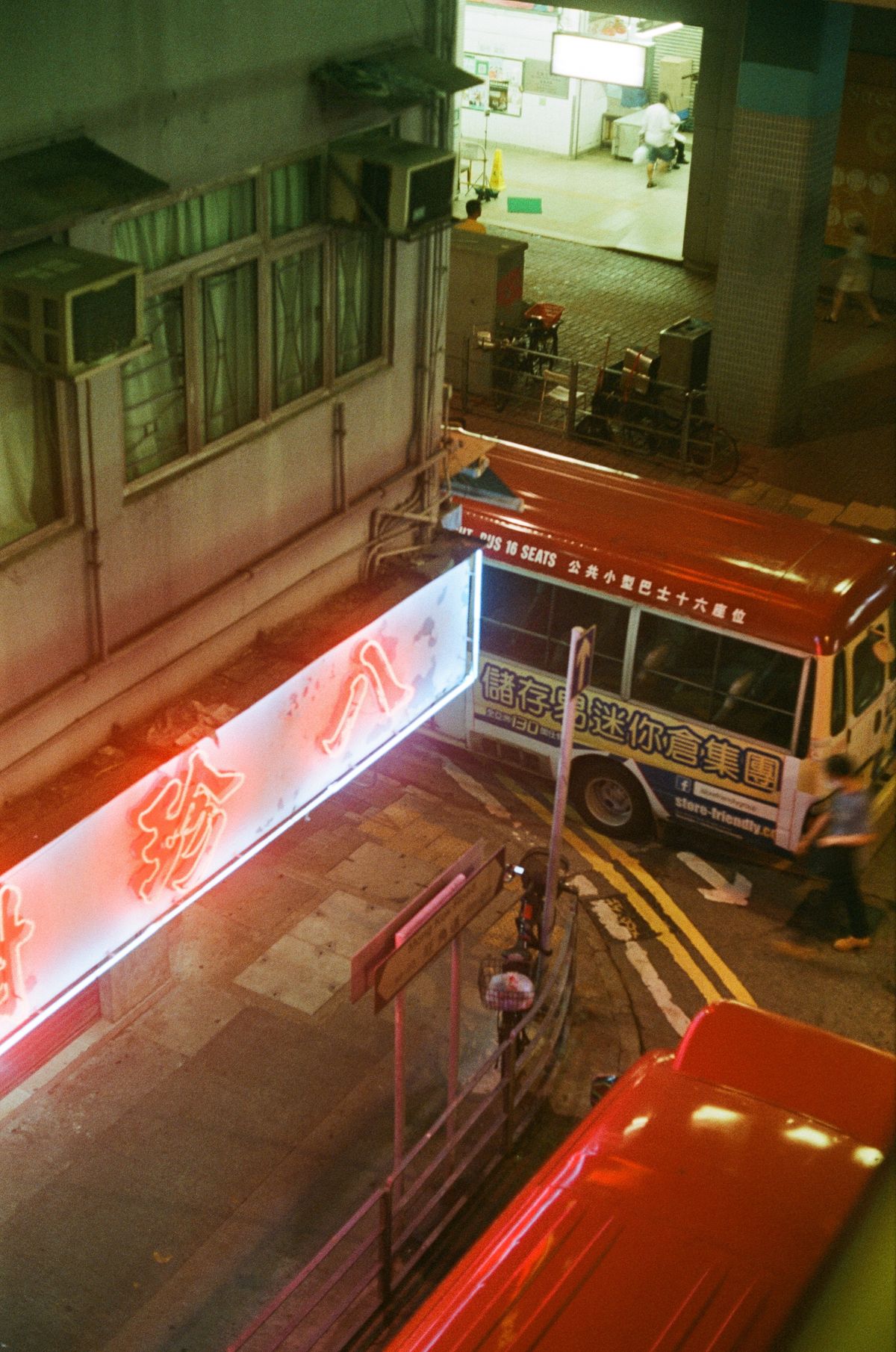
Words for Saving, Spending & Losing
7. 慳錢
haan1 cin4-2 — Jyutping romanisation
Meaning: To save money, especially by cutting back.
Explanation: 慳 is a distinctly Cantonese verb — Mandarin uses 省 (saang2) instead. 慳錢 is a badge of honour among Hong Kongers who take pride in scoring bargains, walking an extra block for cheaper noodles, or refilling their Octopus card only at the exact right moment.
8. 蝕本
sit6 bun2 — Jyutping romanisation
Meaning: To lose money in business; to take a loss on a deal.
Explanation: Literally "eaten capital" — as if your business ate through your seed money and spat out nothing. Hong Kong entrepreneurs use it constantly, sometimes as a real complaint, sometimes as a bargaining tactic ("I'm already 蝕本 selling it to you at this price!").
9. 賺
zaan6 — Jyutping romanisation
Meaning: To earn or make money; also "to score a good deal."
Explanation: 賺 is the counterpart to 蝕. Cantonese speakers use it beyond money — you can 賺 time, 賺 a compliment, or 賺 a nap. If someone tells you 你賺咗 (nei5 zaan6 zo2), they mean "you scored," not just "you earned money."
10. 荷包
ho4 baau1 — Jyutping romanisation
Meaning: Wallet or purse — but also "your finances" as a whole.
Explanation: 荷包 originally meant a small embroidered pouch. Today it stands in for anyone's spending power. When something "傷荷包" (soeng1 ho4 baau1), it "wounds the wallet" — the Cantonese equivalent of "my bank account is crying."
11. 蚊
man1 — Jyutping romanisation
Meaning: Dollar — literally "mosquito," the Cantonese slang for a Hong Kong dollar.
Explanation: One of the most beloved oddities in Cantonese. 蚊 is what you use in everyday speech instead of the formal 元 (jyun4). No one at the wet market says "twenty yuan for the greens" — they say 二十蚊 (ji6 sap6 man1). Try using 元 and people will smile at how textbook-formal you sound.
12. 平
peng4 — Jyutping romanisation
Meaning: Cheap, inexpensive — a very good thing in Cantonese.
Explanation: Note this is 平 in the Cantonese sense (peng4), not the same character used elsewhere for "flat." 平 is the reason Hong Kongers bargain, cross-check three shops, and drive 30 minutes for slightly cheaper roast pork. Its opposite is 貴 (gwai3), expensive.
Why These Words Matter
Language mirrors what a culture cares about — and Cantonese money vocabulary tells you Hong Kong cares deeply about hustle, thrift, and the everyday drama of making ends meet. These aren't textbook terms; they're the words your Hong Kong aunt will use when she asks about your job, your salary, and — inevitably — your flat. Knowing them lets you eavesdrop on the real conversations of the city.
Want to keep learning? Check out our other cha chaan teng ordering words, the bargaining phrases every market uses, or the interjections that reveal your Cantonese attitude.
📖 Related Articles
- Cantonese Dictionary Vol. 48: 10 Cha Chaan Teng Ordering Words That Confuse Every Tourist
- Cantonese Dictionary Vol. 40: 12 Shopping & Bargaining Words Every Hong Kong Market Uses
- Cantonese Dictionary Vol. 42: 12 Interjections & Exclamations That Reveal Your Cantonese Attitude
- Mong Kok (旺角): Inside the World's Densest Neighbourhood
👉 Shop Cantonese Guy — Modern Streetwear for the Global Cantonese Community