

After two weeks of New Year celebrations — the red packets, the reunion dinners, the firecrackers, the prayers, and the feasting — Cantonese tradition saves one final, luminous act for last. On the 15th day of the first lunar month, when the moon rises full and round over Guangdong's rivers and lanes, the Lantern Festival announces that the new year has truly begun. This is 元宵節 — Yuan Xiao Jie — one of the oldest and most beautiful festivals in Chinese cultural tradition, and in Guangdong it takes on a particular character: vivid, communal, alive with dragon fire and the warm glow of a thousand lanterns.
Two Thousand Years of Light
The Lantern Festival has roots stretching back more than two millennia. Its origins are commonly traced to the Han Dynasty (206 BC – 220 AD), when Emperor Ming, a devotee of Buddhism, decreed that palaces and temples should light lanterns to honour the Buddha. The custom spread, and what began as a royal and religious observance became a people's celebration. Over centuries, it evolved into one of the most participatory festivals in the Chinese calendar — a night when entire communities would pour into the streets, carrying lanterns of every shape and colour, solving riddles, and watching dragon dances under the full moon.
The festival's name itself encodes its meaning. 元 (yuan) means "first" or "beginning." 宵 (xiao) refers to night. 元宵 is the first full moon night of the lunar year — the night when the year's first and brightest moon rises, marking the true end of the New Year period and the beginning of ordinary time again.
Guangdong's Dragon and Lion: The Night Comes Alive
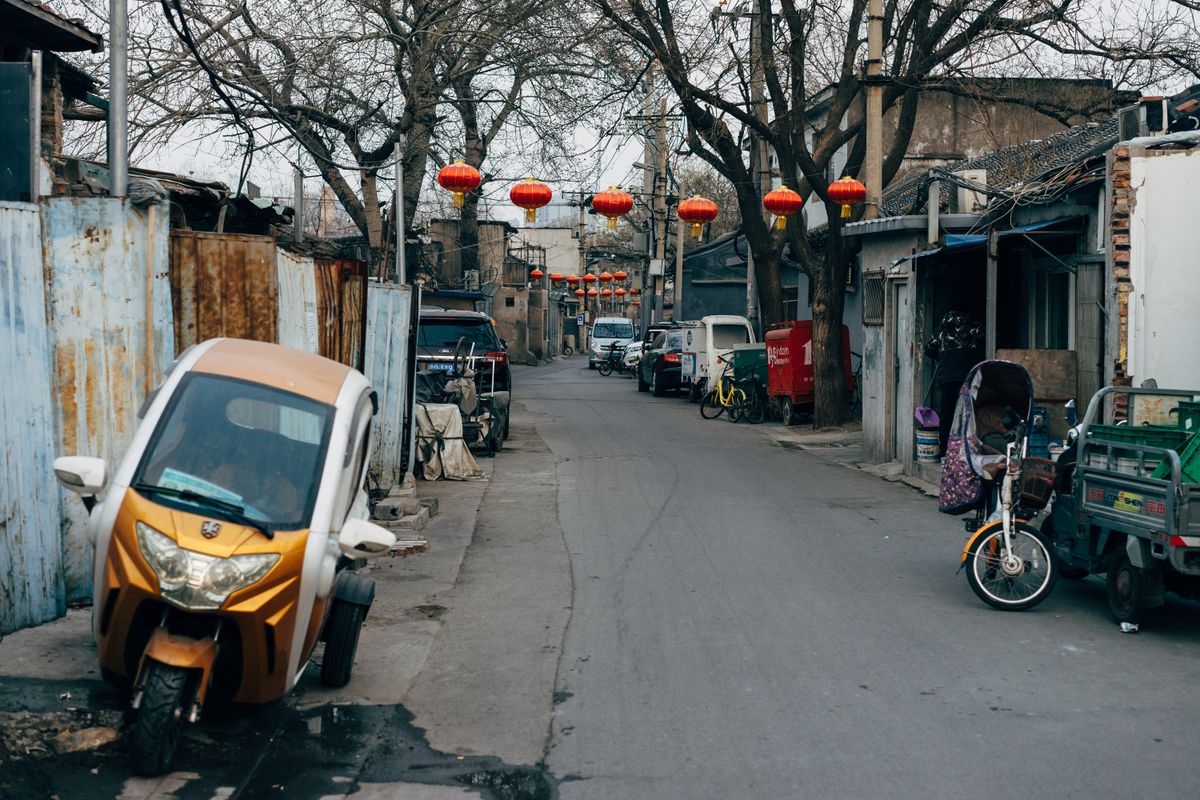
In Guangdong, the Lantern Festival is the night of the dragon and the lion. The Cantonese lion dance (舂獅), already performed throughout the New Year period to drive away evil and welcome fortune, reaches a ceremonial climax. Teams of lion dancers — trained in the distinctive southern Chinese style, with its expressive bamboo-frame lion heads and acrobatic jumps — perform their most ambitious routines of the season. In a tradition known as 採青 (caai1 cing1), lions scale high poles or precarious platform arrangements to retrieve a head of lettuce (and sometimes a red packet of money) hung at the top. This acrobatic feat, requiring years of training and considerable physical courage, draws crowds of thousands in Guangdong's towns and across Hong Kong's dai pai dong culture.
The dragon dance (舞龍) is equally spectacular: teams of performers carrying a long, sinuous dragon on poles weave through the crowds in patterns that represent the dragon's movement through clouds and water. In some Guangdong villages, the lantern festival dragon dance has been performed continuously for centuries — a direct thread from the Han Dynasty to the present day.
湯圓: The Sweet That Defines the Night
Every Chinese festival has its defining food, and the Lantern Festival belongs to 湯圓 — tong yun in Cantonese, tangyuan in Mandarin: glutinous rice flour balls filled with sweet stuffings and served in a light syrup or ginger broth. The fillings vary by region and family tradition — black sesame paste, red bean paste, peanut and sugar, osmanthus flower paste — but the form is constant: round, smooth, and warm.
The symbolism is deliberate. 圓 (yun4 in Cantonese, meaning "round") shares its sound with 園 (garden) and, more importantly, its shape evokes completion and family unity. Eating tong yun on the Lantern Festival night is an act of ritual togetherness: the whole family gathered around a table, the moon full outside, the year properly welcomed. In Cantonese households across the diaspora — from Hong Kong to Vancouver to Sydney — this ritual persists, often in kitchens far from Guangdong, with sesame paste bought from the Asian supermarket and a pot of ginger syrup simmering on the stove.
Lantern Riddles: The Festival of the Mind
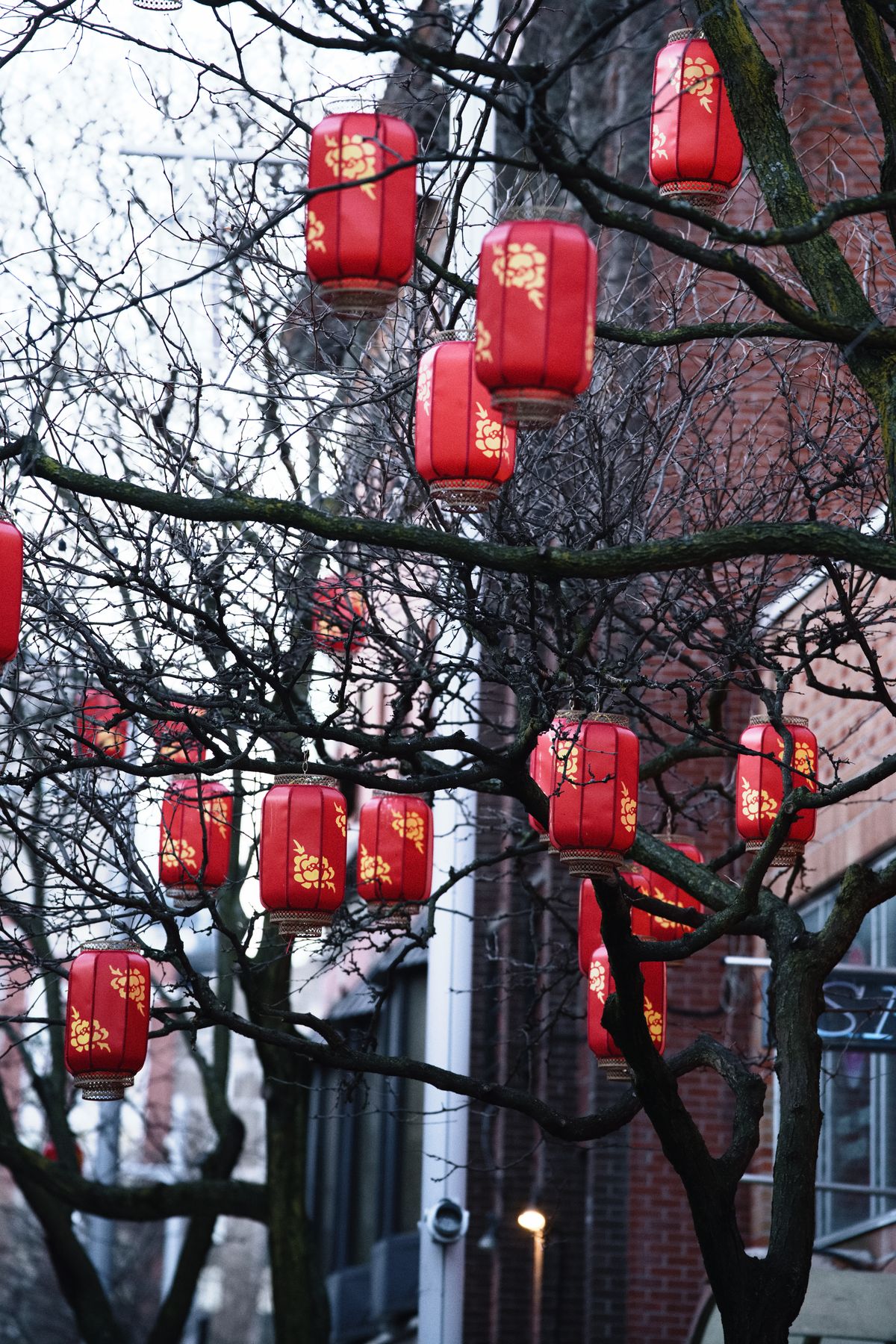
The Lantern Festival is also known as the festival of riddles. 猜燈謎 (caai1 dang1 mai6) — guessing lantern riddles — has been a central tradition for at least a thousand years. Paper lanterns are inscribed with riddles (typically about Chinese characters, history, or culture), and festival-goers attempt to solve them. In traditional settings, solving a riddle correctly might win a small prize; in imperial China, it was a form of public intellectual competition. Today, lantern riddle events are still organised at temples, community centres, and cultural festivals in Guangdong, Hong Kong, and diaspora communities worldwide.
The Lantern Festival in the Diaspora
For Cantonese communities around the world, the Lantern Festival has followed its people across oceans and generations. Whether it's a community lantern parade in Vancouver's Richmond, a tong yun dinner with family in Sydney's Chinatown, or a cultural event at a Cantonese association in London, the 15th night of the first lunar month still gathers the community together. The lantern light looks the same everywhere — warm, round, and full of the hope that one more year has been properly sent on its way.
📖 Related Articles
👉 Shop Cantonese Guy — Modern Streetwear for the Global Cantonese Community