

Walk into any Cantonese home around six in the evening and the first thing you smell isn't dinner — it's soup. Not soup that was opened, not soup that was warmed, but soup that has been quietly simmering on a back burner since the early afternoon. Sometimes since breakfast. In a Cantonese household, the slow-bubbling pot of 老火湯 (lou5 fo2 tong1) is the silent metronome of the day, marking time in the kitchen even when no one is in it.
Lo fo tong literally means "old fire soup" — the "old fire" being a low, patient, watchful flame. It is the deepest, most generous tradition in Cantonese home cooking, and it's the closest thing Guangdong has to a daily ritual of love.
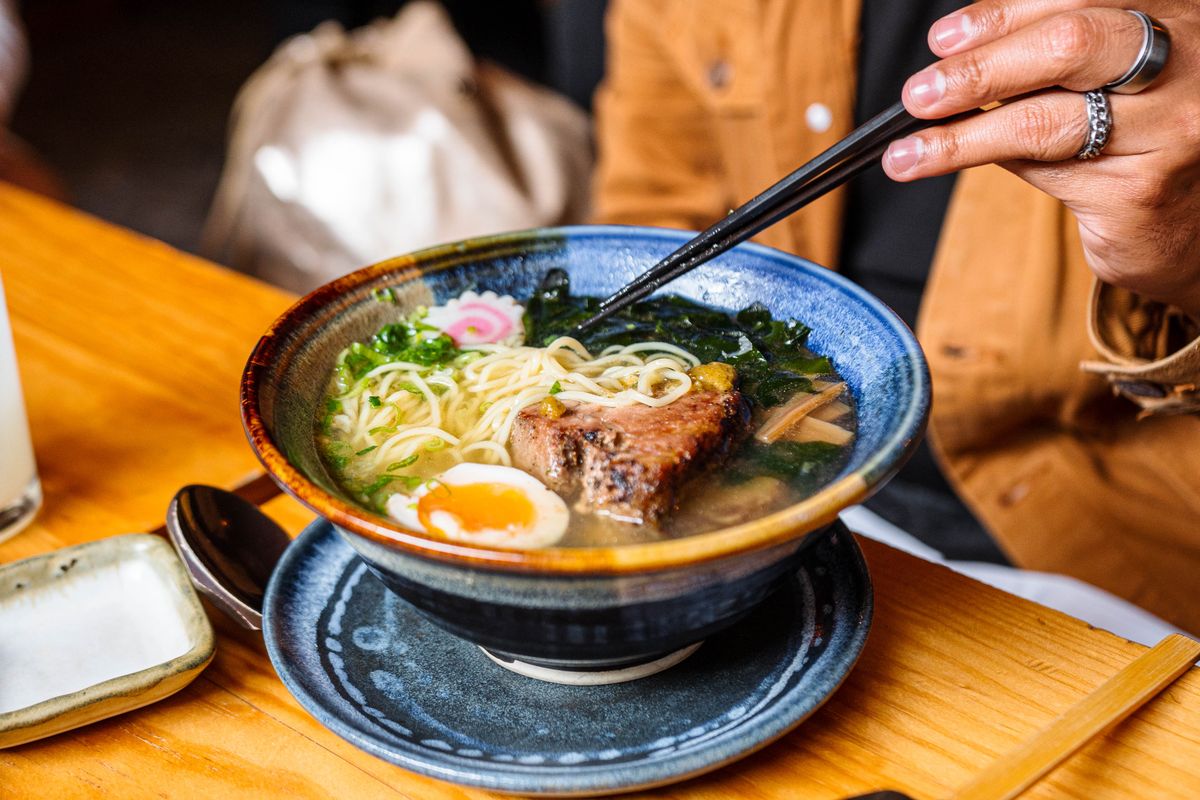
What lo fo tong actually is
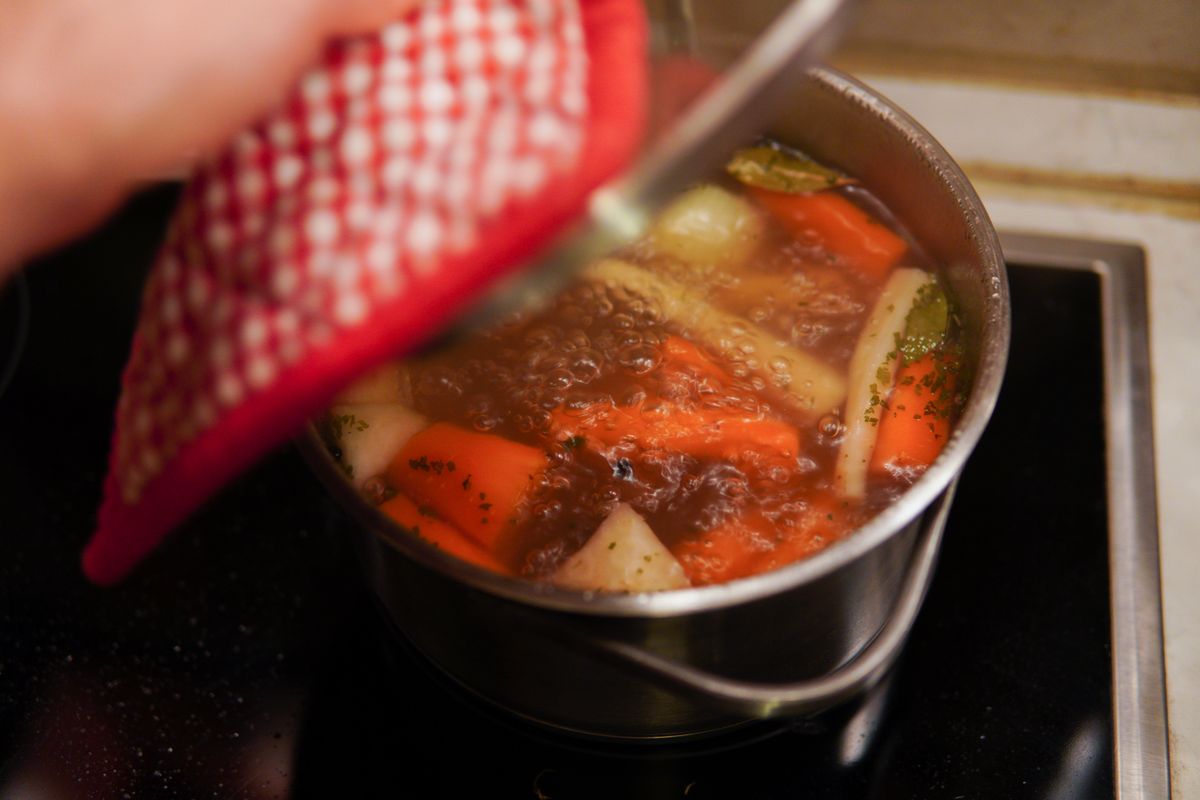
Unlike a Western stock or a quick broth, lo fo tong is a clear, light, deeply flavoured soup that's been simmered at a low temperature for two to six hours. The point isn't to thicken or reduce — it's to slowly coax minerals, collagen, and sweetness out of bones, lean meat, and herbal ingredients. The finished broth is almost transparent. It tastes like the ingredients told you their secrets.
A typical lo fo tong needs only four parts: a meat or bone base (usually pork ribs or chicken), a starchy or sweet anchor (lotus root, winter melon, papaya, or peanuts), a herbal layer (dried longan, jujube, wolfberries, dried figs), and water. Salt is added at the very end — sometimes only at the table — so the broth tastes of the ingredients themselves, not seasoning.
The seasonal logic that runs every Cantonese kitchen
Cantonese soup-making is built on a quiet philosophy: the body needs different things in different seasons, and the soup should respond. In humid southern summers, mums make soups that "remove dampness" (祛濕) — winter melon and dried duck, or barley and pork. In dry autumns, the soup turns toward soups that "moisten the lungs" (潤肺) — pear and snow fungus, or apple and almond. Winters call for warming, nourishing soups with black chicken and Chinese herbs. Spring brings light, detoxifying broths.
No one teaches this system formally. Kids learn it by being told "今晚煲咗藏米湯,飲多碗" — tonight we made barley soup, drink another bowl — and slowly, over years, they absorb which soup belongs to which weather.
The greatest hits of Cantonese home soups
Every Cantonese family has its own soup rotation, but a few dishes show up in almost every household. 西洋菜陳腎湯 (watercress and dried duck gizzard soup) is the classic for sore throats. 蓮藕排骨湯 (lotus root and pork rib soup) is the gentle, sweet anchor of a cool-weather table. 雞腳花生湯 (chicken feet and peanut soup) is the collagen bomb grannies swear keeps your skin young. 老黃瓜湯 (aged-cucumber soup) is what your aunties make when the air is muggy and your spirit feels heavy.
In autumn, papaya and pork bones simmer into a soup so creamy it tastes like a dessert. In winter, black chicken and wolfberries turn the kitchen into a Chinese pharmacy in the best possible way. These soups aren't designed to impress — they're designed to take care of you.
"Drink soup first": the deepest Cantonese hospitality
In a Cantonese household, the first sentence at the table is almost always "飲啦湯先" — "have a sip of soup first." Soup comes before rice, before meat, before conversation. To refuse it is almost rude. To ask for a second bowl is the highest compliment you can pay the cook.
For Cantonese mums and grandmothers, lo fo tong is also the universal language of care. If you're sick, there will be soup waiting. If you've moved away for university, your mum will send a photo of the soup she made and remind you she boiled it for four hours. If you fly back to Hong Kong after years abroad, she will have a pot ready before your suitcase is unpacked. This isn't sentimentality. This is what care looks like in Cantonese — slow, quiet, and on the stove for hours.

Why lo fo tong is endangered — and why the diaspora is bringing it back
Hong Kong's small flats, long working hours, and food-delivery economy have all chipped away at lo fo tong culture. Many young Hongkongers can't remember the last time they boiled a soup for four hours; soup shops now sell single-serving thermoses for office workers who miss their mum's cooking. There's been mild scientific concern about prolonged simmering and purine levels, though Cantonese cooks have largely shrugged at the headlines and kept the flame on.
Meanwhile, in the Cantonese diaspora — in Vancouver, Sydney, London, San Francisco — second-generation kids are texting their mums for soup recipes for the first time. Cantonese aunties on TikTok are quietly leading a global lo fo tong revival. The smell of pork ribs and lotus root simmering on a Sunday afternoon is becoming, again, a Cantonese homecoming. Read more about that diasporic life in our piece on Toronto's Cantonese story, and discover the broader food culture in our Cantonese cuisine guide.
If you grew up Cantonese, your mum probably has a soup waiting for you somewhere in the world. Call her. Ask her what's in the pot today.
📖 Related Articles
👉 Shop Cantonese Guy — Modern Streetwear for the Global Cantonese Community