

Ask any Cantonese person what they miss most when they live abroad, and the answer is almost never dim sum. It is 老火湯 (lou5 fo2 tong1) — "old fire soup" — the slow-simmered Cantonese broth their mother or grandmother used to make. It is not just a dish. It is medicine, weather forecast, mood, and love, all in one clay pot. And it has been simmering somewhere in Guangdong for at least 3,000 years.
What "Old Fire" Actually Means
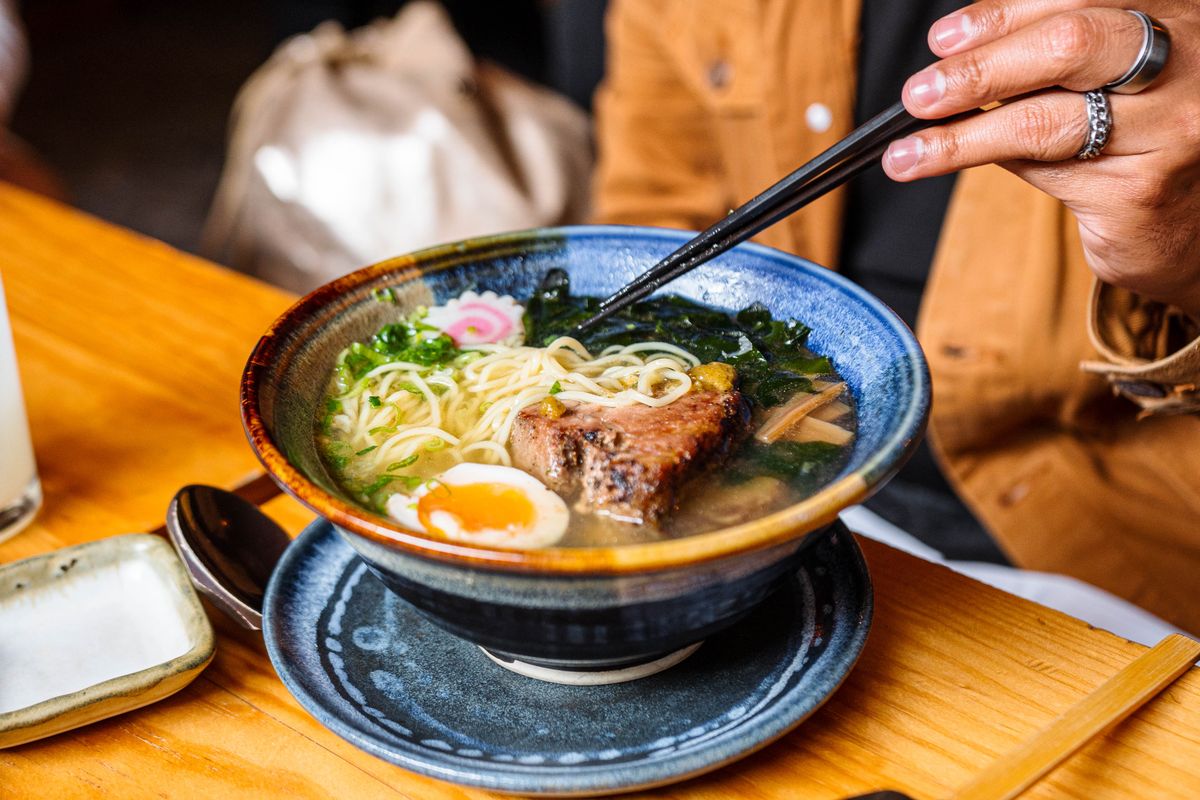
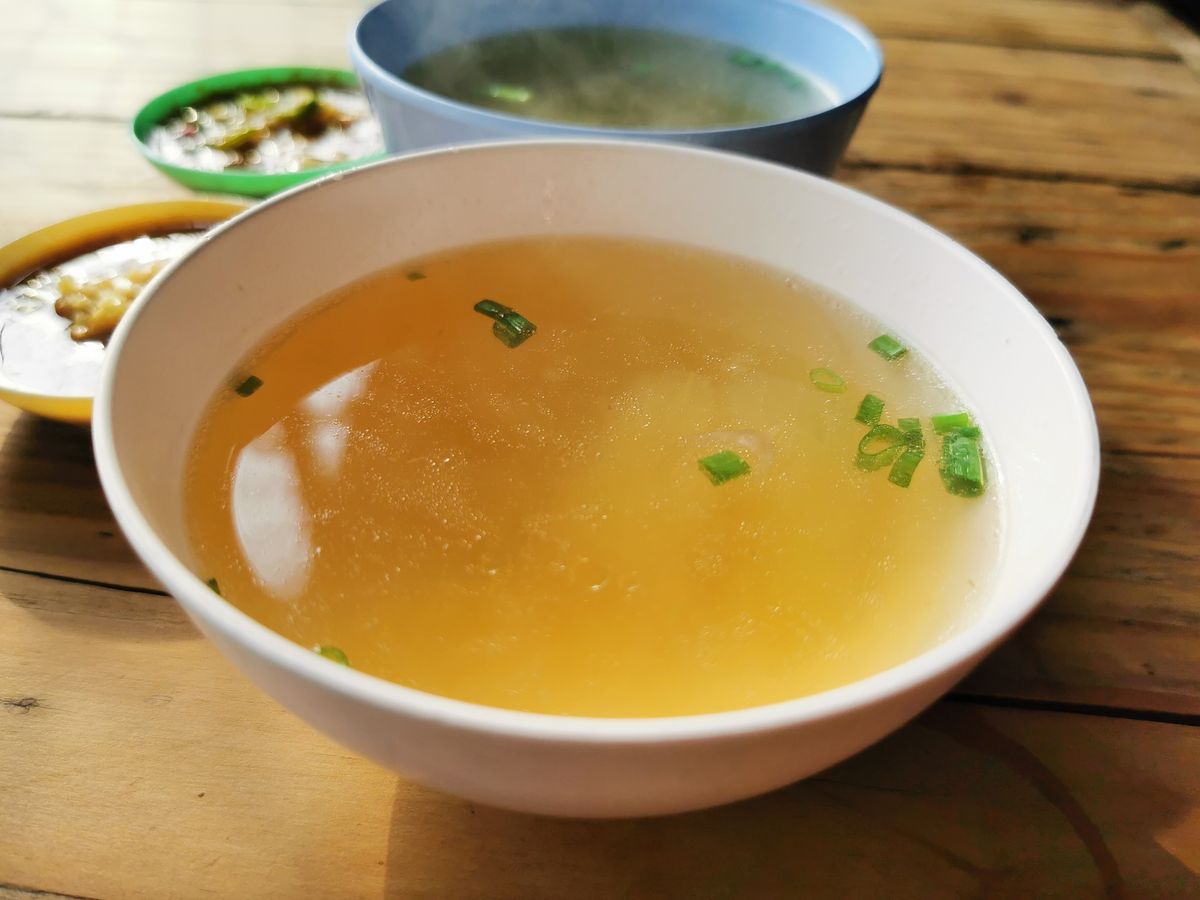
The "old" in 老火 (lou5 fo2) does not describe the fire itself — it describes the patience. A low, quiet flame kept alive for hours. Traditionally, a proper old fire soup is simmered for anywhere from two to six hours, sometimes longer, in a clay or ceramic pot. The slow heat draws minerals, collagen, and sweetness out of the bones and herbs without ever boiling them into cloudiness. The finished broth is clear, silky, and — crucially — barely seasoned. Salt is added at the table, if at all. The flavour is meant to come from the ingredients themselves.
A Tradition Rooted in Chinese Medicine
Old fire soup grew out of the food-medicine philosophy that has shaped Guangdong cooking for millennia. The Pearl River Delta is famously hot and humid — a climate the Cantonese call 濕氣 (sap1 hei3), "damp air." Old fire soups were originally therapeutic — tonics designed to expel dampness in spring, cool the body in summer, moisturise the lungs in autumn, and warm the bones in winter. Every household developed its own repertoire of soups indexed to the season, the weather, and the specific person drinking it. Feeling sluggish? A watercress and pork bone soup. Coughing dry? Snow pear with fritillaria. Anaemic? Red date and chicken.
The Home Ritual
For generations, the old fire soup pot was the first thing a Cantonese mother started in the morning. Ingredients went in, water was topped up, the flame was set low. By dinner — six or seven hours later — the soup was ready. It was drunk before the meal, not with it, from a small bowl. Skipping the soup was borderline rude. "飲咗湯未?" ("jam2 zo2 tong1 mei6?") — "Have you drunk the soup yet?" — was the standard household greeting.
The Classics Every Cantonese Kid Knows
A handful of soups appear in almost every Guangdong household. West Lake watercress and pork bone soup (西洋菜猪骨湯) — for lung dryness. Winter melon and dried duck soup (冬瓜鴨湯) — for summer heat. Papaya and snow fungus with pork ribs (木瓜雪耳猪骨湯) — for skin, hair, and youthfulness. Corn, carrot, and pork rib soup (知米紅蘿蔔猪骨湯) — for children, because it is naturally sweet. Every family has their own version. Every grandma insists hers is the right one.
The Hong Kong Twist — Bottled and Delivered
In modern Hong Kong, where nobody has six hours to babysit a stove, the tradition adapted. Small shops began selling ready-made bottled old fire soup in the 1990s. Restaurants added a "soup of the day" to their menu — usually a seasonally chosen tonic, always poured from a large brass tureen. And a whole industry of packaged soup herb bundles (湯料) sprang up in wet markets: pre-portioned mixes of dried ingredients you dump in a pot with meat and water, no expertise required. This is how old fire soup survived Hong Kong’s fast pace. It stopped needing a grandma — but it still tastes like one.
Slow Food Before the West Called It Slow Food
Long before the global "slow food" movement, Cantonese kitchens were practising it — quietly, unfashionably, patiently. Old fire soup is the opposite of everything modern cooking encourages. There are no shortcuts. There is no pressure cooker version that tastes right. You cannot Instagram it easily because it is nothing but a pale broth. But its stewards — grandmothers, aunties, and the last generation of home cooks who remember why — have kept it going. In a Cantonese dai pai dong or a Michelin-starred dining room, a good bowl of old fire soup will silence the table.
The Diaspora and the Missing Pot
Cantonese families abroad know this ache well. You can find pretty good wonton noodles in a dozen cities. Dim sum is everywhere. But real old fire soup — the kind your mum made — is almost impossible to find outside a Cantonese home. It is why so many diaspora kids, from Vancouver to London to Sydney, take up soup-making the moment they get their own kitchen. It is the fastest way home. And it is the one Cantonese tradition that requires nothing to survive except a pot, a low flame, and the patience to wait.
Try Making One This Week
You do not need to be Cantonese to try. Get pork ribs, a chunk of daikon or winter melon, a few carrots, a small handful of dried scallops or goji berries, and enough water to cover generously. Bring to a boil, skim the foam, then drop to the lowest simmer your stove will hold. Walk away for three hours. Come back to a broth that will taste like it was made by someone who loves you. That is the point. It has always been the point.
📖 Related Articles
👉 Shop Cantonese Guy — Modern Streetwear for the Global Cantonese Community