

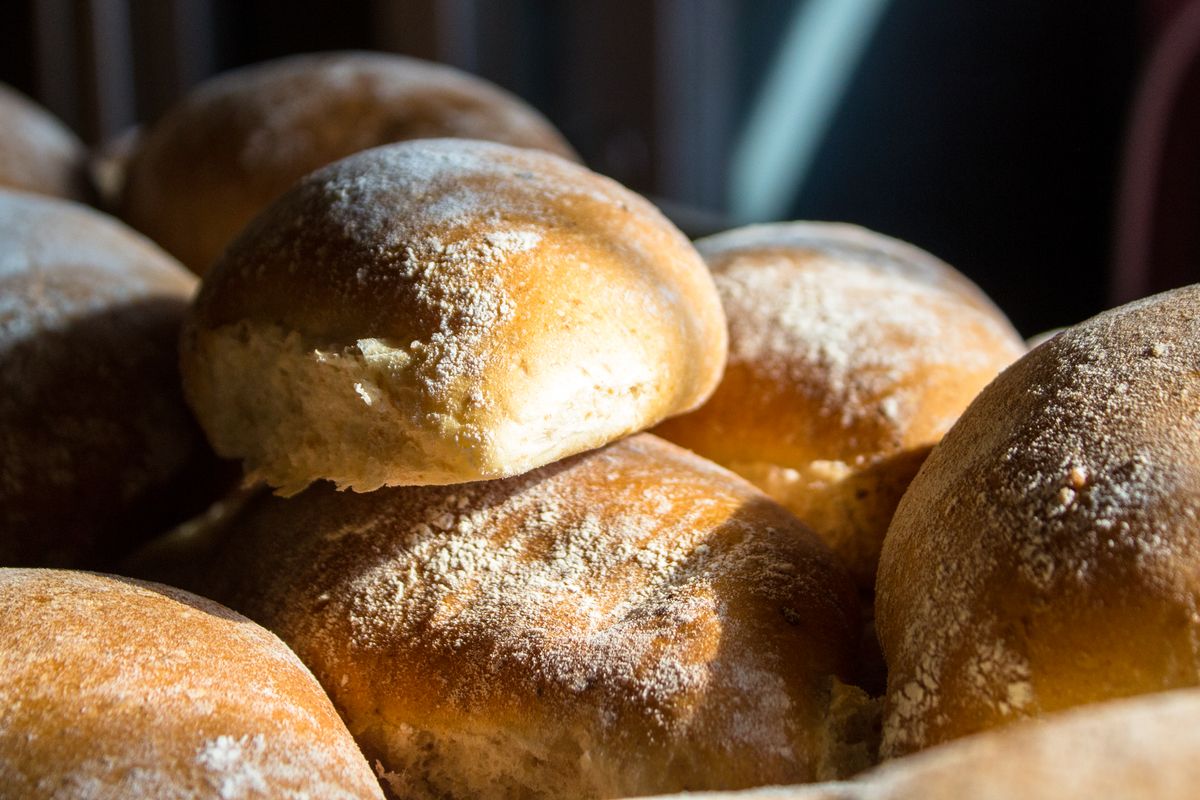
Walk into any Hong Kong bakery before 9am and you'll see them piled in their thousands: golden, fissured, sweet on top and pillowy underneath. The pineapple bun — 菠蘿包 (bo1 lo4 baau1) — is the city's most democratic pastry. Sold for the price of a coffee, eaten by office workers, schoolkids and pensioners alike, it has somehow become a symbol of an entire era of Hong Kong life. And the funniest part? It contains no pineapple at all.
What exactly is a pineapple bun?
The bo lo bao is a soft, slightly sweet enriched bun crowned with a crackly sugar-and-lard topping. When baked, that topping crackles into a textured golden crust that, with a bit of imagination, resembles a pineapple's skin. The bun underneath is fluffy and light — clearly influenced by Western bread techniques the British brought to Hong Kong — while the sweet top borrows from a long Chinese tradition of pastry crusts made with rendered fat and sugar. The whole creation is a perfect handheld snapshot of Hong Kong's hybrid food culture: East and West, savoury and sweet, working-class and aspirational, all in one bite.
Where it really comes from
The exact origin of the pineapple bun is debated, but most historians agree it emerged in Hong Kong's bakery scene in the mid-20th century. One commonly cited landmark is Tai Tung Bakery in Yuen Long, which has been making the bun for more than 70 years and is widely credited as one of the earliest and most influential bakeries to popularise it. Some theories trace the technique back to similar Japanese melon-pan or Mexican concha pastries, but Hong Kong bakers gave it a distinctively Cantonese identity — lighter, less sweet, designed to be eaten on the go.
After the Second World War, Hong Kong's economy was reshaping itself. Tens of thousands of factory workers needed cheap, filling, energy-dense food. The pineapple bun was perfect: a few cents a piece, two-bite portable, and full of butter and sugar. Bakeries reportedly produced thousands a day. It became the breakfast of an entire generation.
The bo lo yau: the upgrade that became iconic
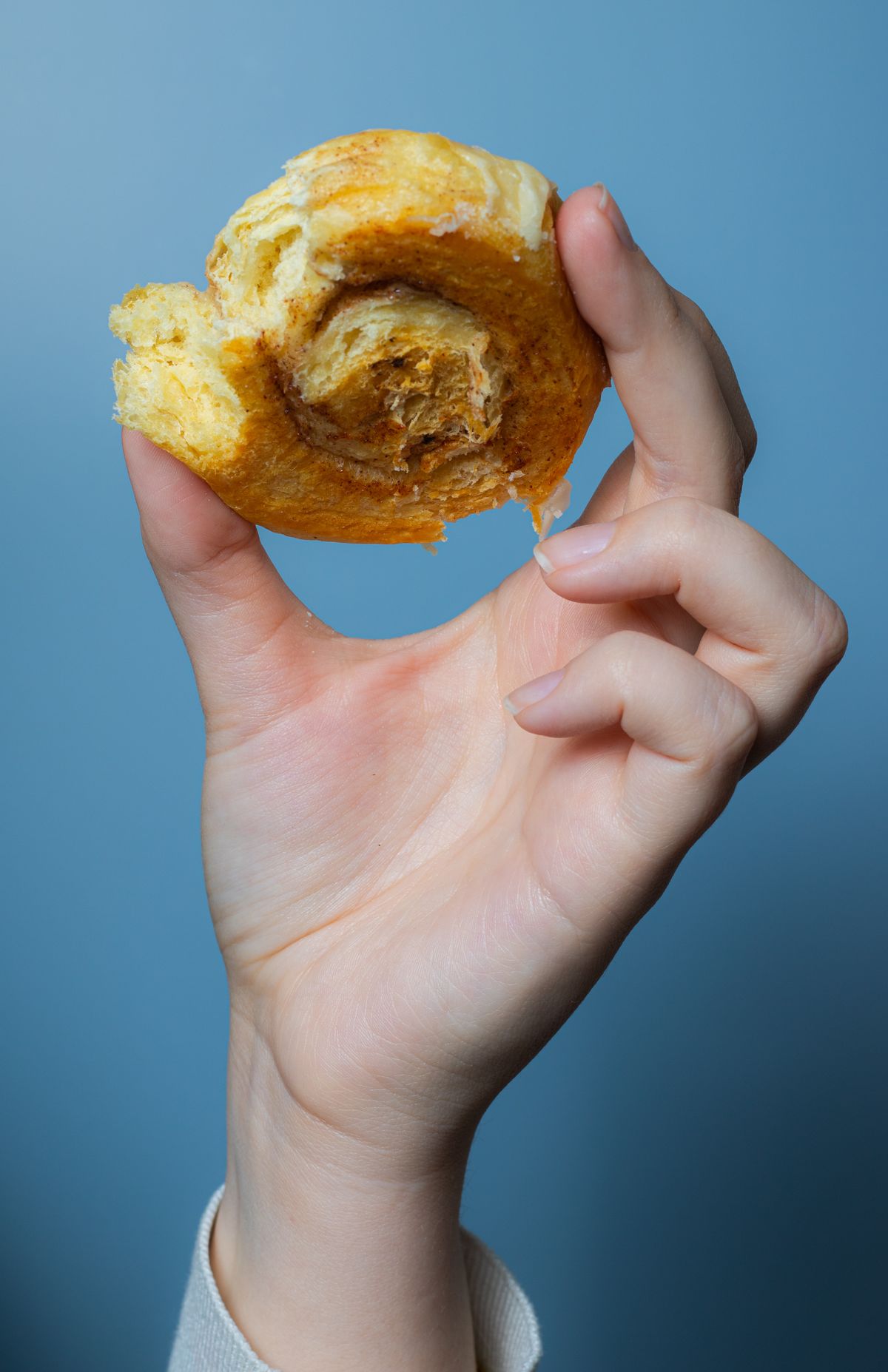
At some point — accounts vary on exactly when — someone at a cha chaan teng decided to split a hot pineapple bun in half and shove a thick cold slab of butter inside. That move created 菠蘿油 (bo1 lo4 jau4), the "pineapple butter bun". The contrast of warm crackling sugar crust against cold melting butter is the kind of thing food writers struggle to describe and locals just call breakfast.
A proper bo lo yau is served straight out of the oven so the butter melts into the steaming dough. It's almost always paired with a cup of milk tea or a yuenyeung — the half-coffee, half-milk-tea concoction that anchors Hong Kong's cha chaan teng menu.
A recognised cultural treasure
In June 2014, the Hong Kong government officially added the pineapple bun — specifically, the technique of making the traditional bo lo bao crust — to its inventory of intangible cultural heritage. It joined Cantonese opera, lion dancing and other practices the city wanted on the record before they faded. The recognition reflected what Hong Kongers already knew: this bun is not just a bun. It's a piece of how the city remembers itself.
For old-school bakers, the technique is exacting. The topping is mixed by feel — lard, sugar, egg, flour, a hint of ammonia for that classic crack — then pressed gently onto the dough so it crazes into the right pattern in the oven. Too thin, and the top doesn't crack. Too thick, and you get a sweet brick instead of a feather-light bao.
The bun in the diaspora
If you grew up Cantonese outside Hong Kong, the pineapple bun has probably tracked you wherever you went. Markham, Richmond, Sunset District, Chinatown London — every diaspora hub has a bakery that will sell you a tray of them for a few bucks, often with a Chinese aunty at the counter who calls you "靓仔" and asks if you want a bo lo yau "for here". They are how you taste home before you visit home. They're the breakfast on the kitchen counter on a Saturday morning that says: this house is Cantonese.
The bun has also crossed into pop culture. Hong Kong dramas constantly film inside cha chaan teng with a steaming bo lo yau on the table; cookbooks treat it as a centrepiece of working-class Hong Kong cuisine; and a younger generation of Cantonese diaspora chefs in Toronto, San Francisco and London are reinventing it — black sesame fillings, salted egg yolk centres, taro cream, even ice cream-stuffed versions.
Where to try the real thing
In Hong Kong, the most-cited stops are the old-school neighbourhood bakeries: Tai Tung in Yuen Long, Kam Wah Cafe in Mong Kok (famously known for its bo lo yau and milk tea combo), and dozens of unassuming corner shops where the buns come out of the oven every hour. Outside Hong Kong, look for any older Cantonese-run bakery — the ones with red plastic trays and tongs, not pastry cases. That's where the real ones are.
Why it endures
A lot of Hong Kong's old food culture has been disappearing as rents rise and bakeries close. The pineapple bun survives because it's been adopted by every generation — the grandparents who remember when it cost twenty cents, the parents who packed it as a school snack, the kids who post bo lo yau videos on TikTok. It's a foundational Cantonese flavour: humble, generous, cheap by design, and somehow still iconic.
Three-second rule for picking a good one: warm to the touch, audible crackle when you press the top, and a smell of butter that hits before you take the first bite. Anything less and you should walk to the next bakery.
📖 Related Articles
👉 Shop Cantonese Guy — Modern Streetwear for the Global Cantonese Community