

Ask a Cantonese person how many meals they eat in a day and the answer is almost never three. Breakfast, lunch, afternoon tea, dinner — and then, when the shops shutter and the buses stop, one more. It's called siu ye (宵夜, siu1 je2), and for a huge slice of Hong Kong, it is arguably the most important meal of the day. Not because the food is fancier. Because it's the meal you never eat alone.
This is the meal that turns colleagues into friends, dates into relationships, and long nights into memories. It's Hong Kong's answer to the question every restless city asks: what do we do at 1am? In Guangdong, in Kowloon, in every Cantonese diaspora neighbourhood from Vancouver to Sydney, the answer has been the same for a hundred years — you go and eat something warm with the people you love.
What Exactly Counts as Siu Ye?
Siu ye literally means "late-night" or "midnight" and refers to a meal eaten roughly between 10pm and 4am. It's smaller than dinner but always hot, almost always shared, and usually the third or fourth thing your body actually needs at that hour. A bowl of congee. A plate of wonton noodles. A serving of beef brisket noodles. Cold cuts and marinated goose from a Chiu Chow "da laang" stall. A whole roast pigeon if you're near a good dai pai dong.
The difference between siu ye and just eating late is intention. Siu ye is planned — you text your best friends after work, you meet at a specific place, you sit for an hour or two, you split the bill and walk home lighter. It's ritual, not desperation.
The Working-Class Origin Story
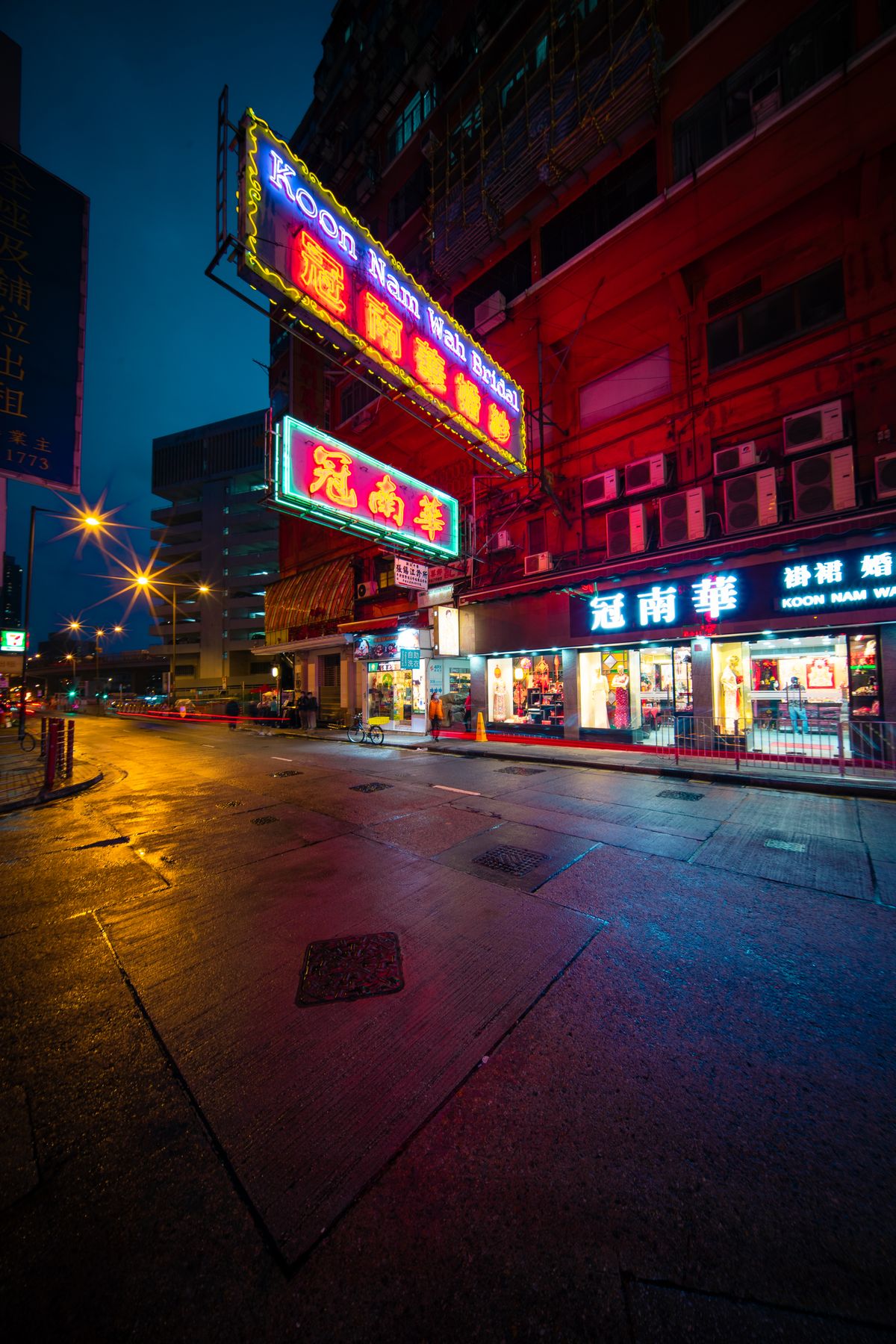
Siu ye did not begin as a lifestyle choice. It began because Hong Kong worked. Through the mid-20th century, factory workers finishing 12-hour night shifts, dockyard hands, taxi drivers, street cleaners, printing-press operators and market porters all needed to eat somewhere after midnight. Dai pai dong operators saw the opportunity. Cha chaan tengs and noodle shops in Sham Shui Po, Yau Ma Tei, Wan Chai and Mong Kok began keeping their woks lit until dawn.
The economics were simple: workers coming off shift wanted something hot, cheap, filling and fast. What they got was congee, cart noodles, minced pork rice, sliced roast meats on rice. It fed a city that never really slept, and it turned late-night eating from a necessity into a genuine cultural habit. By the time Hong Kong stopped being a factory city, siu ye had stopped being about hunger. It was about staying up together.
The Chiu Chow Cold Cut Corner
Any real conversation about siu ye has to bow to the Chiu Chow (Teochew) contribution: 潮州打冷 (ciu4 zau1 daa2 laang5), literally "Chiu Chow hitting cold." These are the marinated goose, salt-and-pepper tofu, iced crab, oyster congee and preserved-vegetable dishes served in refrigerated street stalls late into the night. Chiu Chow migrants, cousins to the Cantonese, ran these all-night operations across Kowloon and North Point. Order a plate of sliced marinated goose, a bowl of oyster congee, a beer, and you have the perfect siu ye — cheap, restorative, briny, unforgettable.
The Social Rules Nobody Writes Down
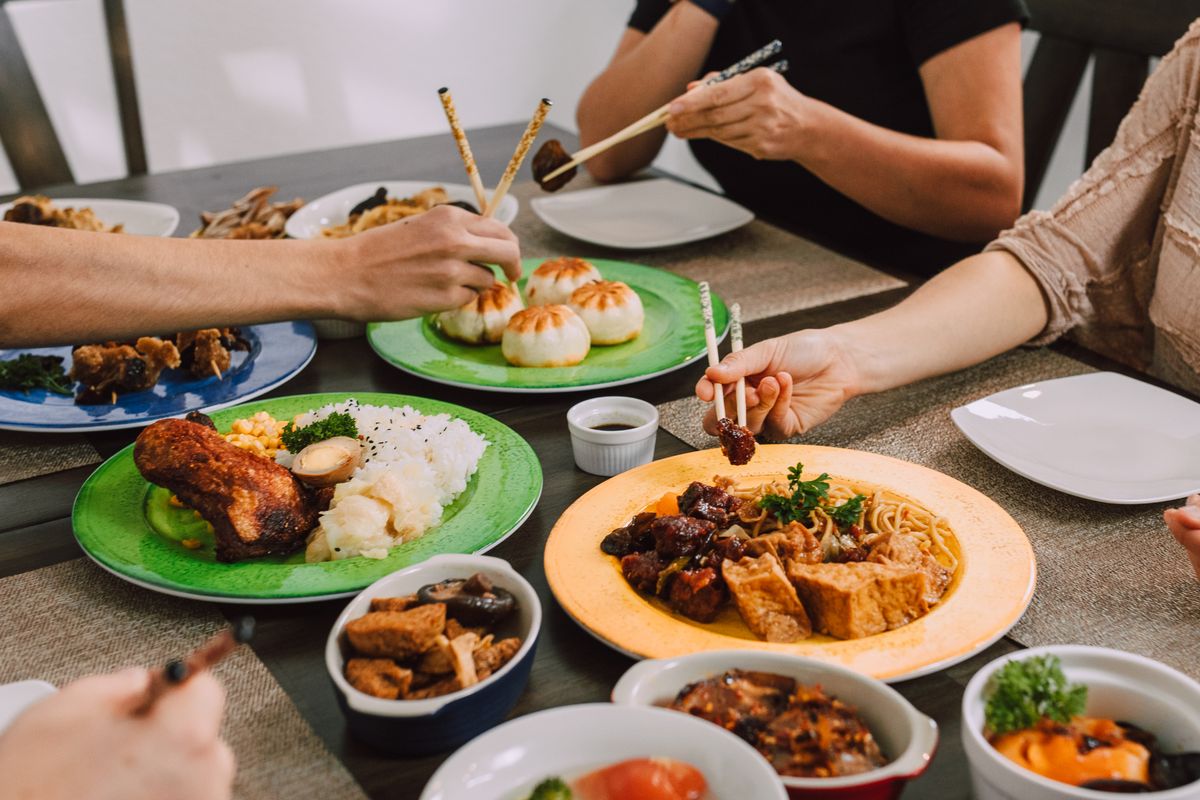
Siu ye has its own unwritten etiquette. You never eat siu ye alone if you can help it — the whole point is company. You order too much on purpose. The senior person picks the place. Everyone shares. The bill splits evenly unless someone insists on paying (and then someone else must insist harder — the ritual argument is part of the meal). Phones stay in pockets. And no one — no one — leaves before the last person finishes their soup.
Where the Culture Is Fading — and Where It's Not
Central Hong Kong has quieter nights than it used to. Cleaner streets, higher rents and the slow disappearance of dai pai dong licences have thinned out the late-night landscape. But if you know where to look, siu ye is still very much alive: Temple Street after 10pm, the noodle shops of Kowloon City, the roast-meat windows still glowing at 2am in Yau Ma Tei, the 24-hour cha chaan tengs of Mong Kok. And in the Cantonese diaspora — Richmond in Vancouver, Chinatown in San Francisco, Cabramatta in Sydney — all-night noodle bowls and 24-hour dessert cafes are keeping the ritual portable.
Cantopop films built entire scenes around siu ye: the after-hours noodle bowl, the confession over congee, the fight that starts at a hotpot stall. Watch any Stephen Chow film and count the siu ye scenes. It's the visual shorthand for the Cantonese heart.
Why Siu Ye Is Really About Care
Cantonese people have a hard time saying "I love you." They will, however, drive across town at midnight to bring you congee when you're sick. They will wait up until you finish work at 11pm just to eat a bowl of noodles with you. They will fight you for the bill and then sneak back and pay it anyway. Siu ye is where that love lives. The words don't come easily in Cantonese homes, but the food always does.
To be invited to siu ye is to be told, quietly and without fuss, that you belong. That's the whole culture in a single bowl.
📖 Related Articles
👉 Shop Cantonese Guy — Modern Streetwear for the Global Cantonese Community