

Long before Hong Kong Island had a name in English, before Central had a skyline, before the Kowloon peninsula had roads, there were people living on the water in the Pearl River delta. They were born on boats. They married on boats. They died on boats and were buried on the hillsides they could see from those boats. Cantonese speakers called them 軋家 (daan6 gaa1) — the Tanka, or "boat people." Most modern Hongkongers know almost nothing about them. And yet the shape of Cantonese Hong Kong — its fishing villages, its harbours, its seafood culture, even some of its neighbourhood names — is unimaginable without them.
Who the Tanka Were — and Where They Came From
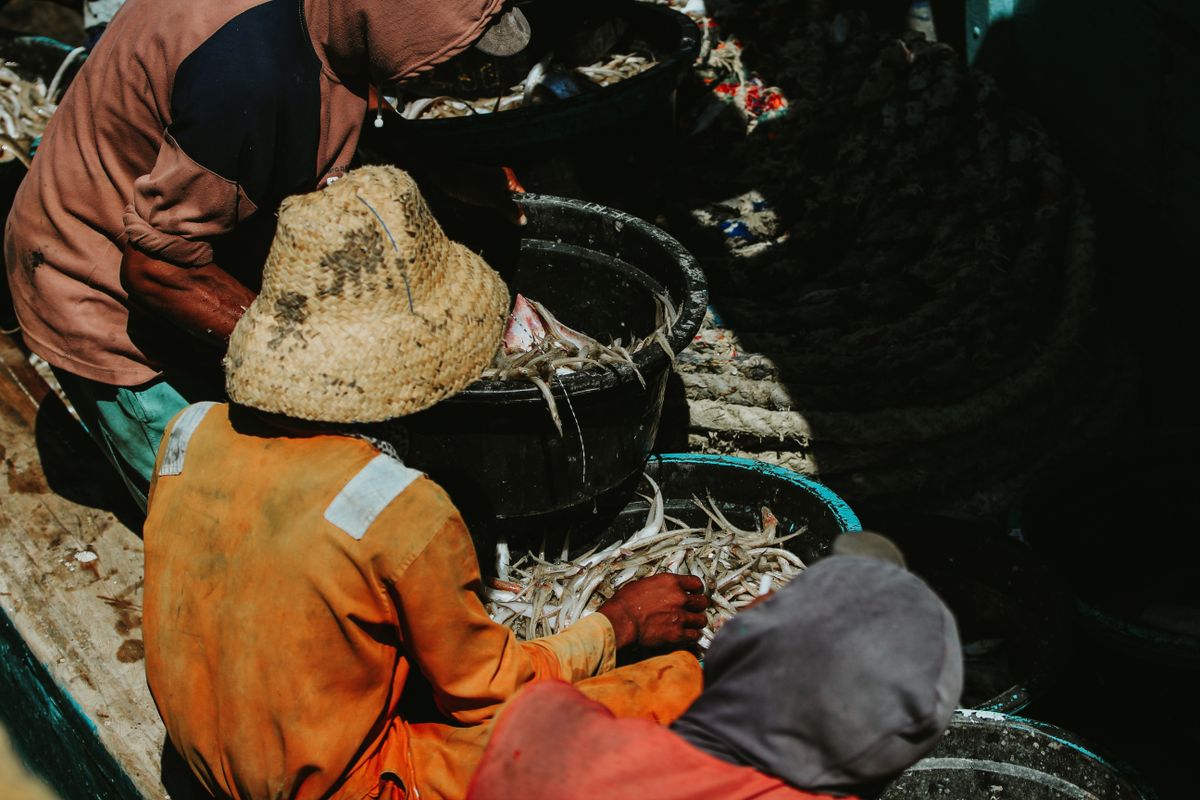
The Tanka (蜑家 or its later variant 蛋家) were a distinct water-dwelling people historically found along the coasts of Guangdong, Guangxi, Fujian, Hainan and up into Hong Kong and Macau. They spent their whole lives on wooden junks and sampans, moving between fishing grounds, sheltered coves, and typhoon anchorages. Cantonese has a gentler name for them too: 水上人 (seoi2 soeng6 jan4), "people on the water."
Historians widely believe the Tanka are descendants of the native Baiyue peoples of southern China — groups that lived along the southern coast for thousands of years before Han Chinese migration reshaped Guangdong. When Han Cantonese settled the land, the Tanka retreated to the water. That single choice defined the next thousand years of their culture. A Tang-dynasty official named Liu Zongyuan wrote about seeing Tanka boat communities in what is now Guangdong and Guangxi as early as the 8th century.
A Life Built Entirely on Water
Tanka households were not just fishing crews — they were entire nuclear families packed onto wooden boats with living quarters, kitchens, ancestral tablets, and a small deck for children to play on. Elders slept near the stern. Chickens and dogs lived on the deck. Cooking was done over small charcoal stoves. Weddings and lunar new year celebrations moved from boat to boat like a floating banquet.
A Tanka child could tie a fisherman's knot before they could write their own name. Tanka women were legendary sailors, often skippering vessels themselves. In many communities, the mother — not the father — was the practical captain of the family boat.
The Discrimination That Shaped Their History
For centuries, the Tanka were treated as an underclass by land-based Cantonese and Han populations. Imperial law at times banned them from taking the civil-service exams, from settling on land, from intermarrying with land dwellers. They were pushed to the margins of Cantonese society — useful for their fish, denied a place at the table.
In 1729, the Yongzheng Emperor of the Qing dynasty formally abolished many of these restrictions and allowed Tanka to live ashore, but centuries of prejudice do not lift by decree. Many Tanka stayed on the water. Others slowly moved to shanty villages on hillsides above harbours — the ancestors of some of Hong Kong's oldest coastal neighbourhoods.
What the Tanka Gave Cantonese Hong Kong
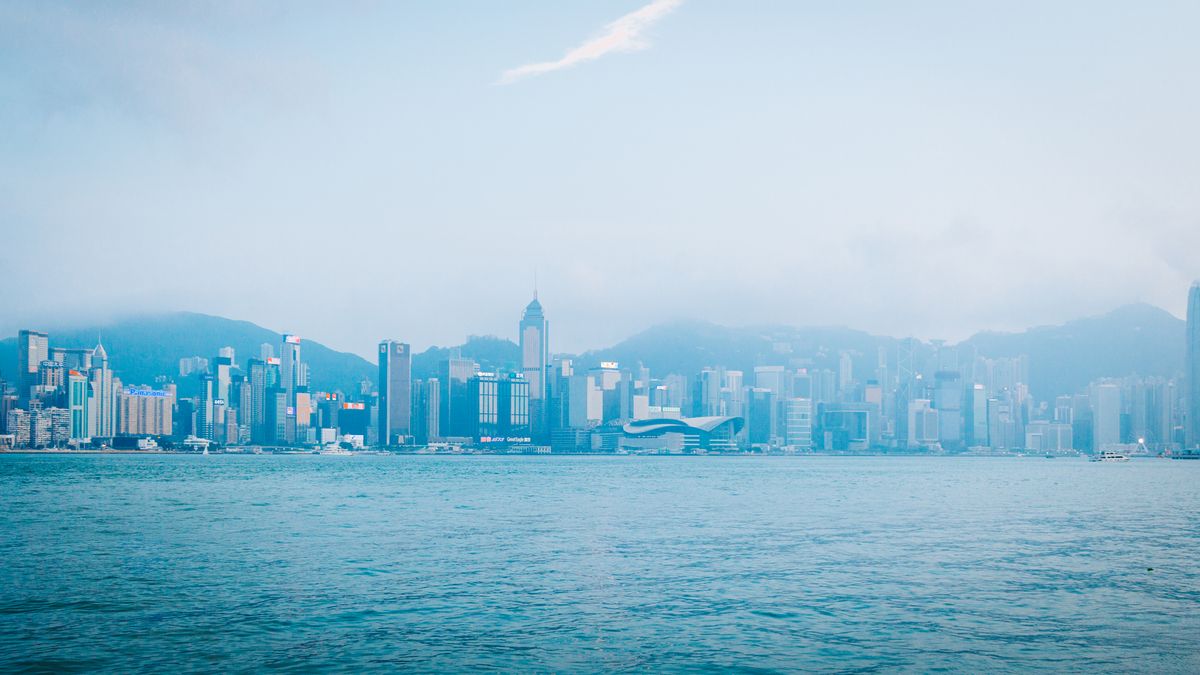
If you have ever taken a Cantonese fishing-village day trip, eaten fresh steamed fish at Sai Kung, walked the pier at Tai O, or wondered why Aberdeen has such a busy typhoon shelter full of houseboats — you are standing inside Tanka history. Tanka communities shaped the settlement of villages like Tai O on Lantau Island, where stilt houses over water are still one of Hong Kong's most iconic sights. Cantonese seafood cuisine — the entire tradition of steamed live fish, salt-baked prawns, and typhoon-shelter crab — is a Tanka gift wrapped in Cantonese cooking technique.
Tanka fisherfolk brought their own dialect too. Modern researchers have documented Tanka Cantonese as a distinct variety of the language, with unique pronunciations, vocabulary, and rhythms shaped by centuries of maritime life. It is a Cantonese cousin most Hong Kong people have never knowingly heard, and it is now critically endangered.
The Slow Disappearance
The 20th century pulled the Tanka onto land. Government resettlement schemes in colonial Hong Kong moved boat communities into new public housing estates in Aberdeen and Yau Ma Tei. Typhoons — particularly the deadly 1937 and 1962 storms — wiped out floating villages that never returned to the water. Younger generations went to Hong Kong schools, took land jobs, married land dwellers, and lost the daily rhythm of tides that had shaped their ancestors for a millennium.
Today, only a handful of ageing Tanka still live full-time on boats. The Tanka dialect is heard mostly at family dinners. But the DNA of Tanka Hong Kong is still visible everywhere: in the shape of Aberdeen harbour, in the stilt houses of Tai O, in the seafood restaurants that grew from boat kitchens, and in the last generation of grandparents who still remember being rocked to sleep by the sea.
Learning a Word From the Water
水上人
seoi2 soeng6 jan4 — Jyutping romanisation
Meaning: "People on the water" — the respectful Cantonese name for the Tanka.
Explanation: The older term 軋家 (daan6 gaa1) has picked up historic weight; 水上人 is the phrase modern Cantonese speakers use to refer to the boat-dwelling community without the baggage.
Why the Tanka Deserve to Be Remembered
The story of Cantonese Hong Kong is not just cha chaan tengs and neon signs and Cantopop concerts. It is also a story of the people who lived on wooden boats, spoke their own version of the language, and quietly kept the coast alive for a thousand years while the mainland argued about dynasties. Their descendants are Hong Kong — they just don't always know it.
For more on the communities and traditions that built Cantonese identity, read our stories on the Hakka people, the Star Ferry, and the yum cha tradition.
📖 Related Articles
👉 Shop Cantonese Guy — Modern Streetwear for the Global Cantonese Community