

Every spring, on a tiny dumbbell-shaped island a 45-minute ferry ride from Hong Kong's Central Pier, three enormous bamboo towers covered in steamed buns rise into the sky. At midnight, athletes in harnesses race up the towers, plucking lucky buns as they climb. Below, the entire population of Cheung Chau watches in costumes, lion-dance teams thread through the lanes, and the air smells of incense, fried noodles, and the open sea.
This is the Cheung Chau Bun Festival (長洲太平清醮) — one of the most distinctive and joyfully strange traditions in the Cantonese cultural calendar. Recognised by Hong Kong as part of the city's intangible cultural heritage and listed on China's national intangible heritage list, it's a centuries-old Taoist Jiao festival that became a global tourism phenomenon almost by accident.
The Plague That Started It All
The festival's origin story stretches back to the late Qing dynasty. According to the local tradition that the people of Cheung Chau still tell today, the island was ravaged by a plague — some accounts add pirate raids — and nothing the islanders tried worked. Desperate, they brought an image of Pak Tai (北帝), the Taoist Northern Emperor and patron deity of fisherfolk, through the village lanes. The procession was said to drive out evil spirits, and the plague lifted.
To say thank you, the islanders held an annual Jiao festival — a Taoist ritual of communal purification and offering. Centuries later, the ritual has evolved into a week-long celebration timed to the 8th day of the 4th lunar month, which falls in late April or May and overlaps with Buddha's Birthday.
What Actually Happens on Bun Festival Day
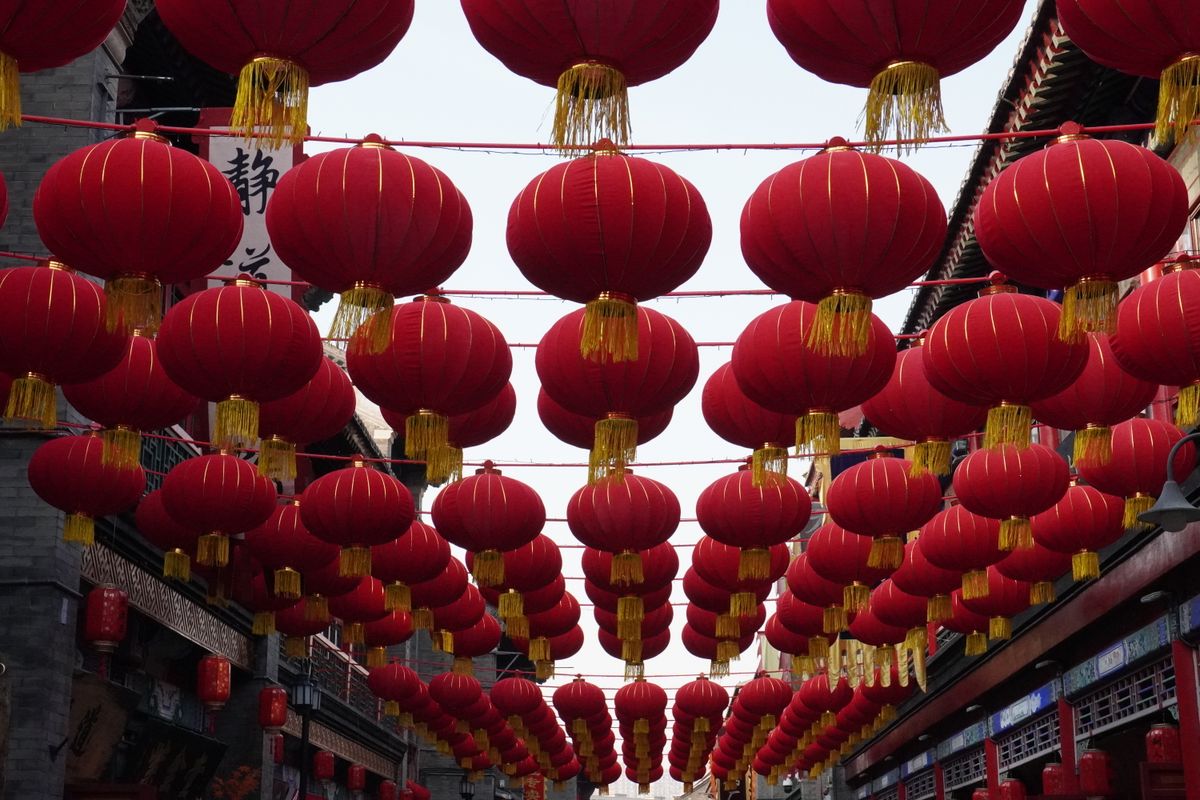
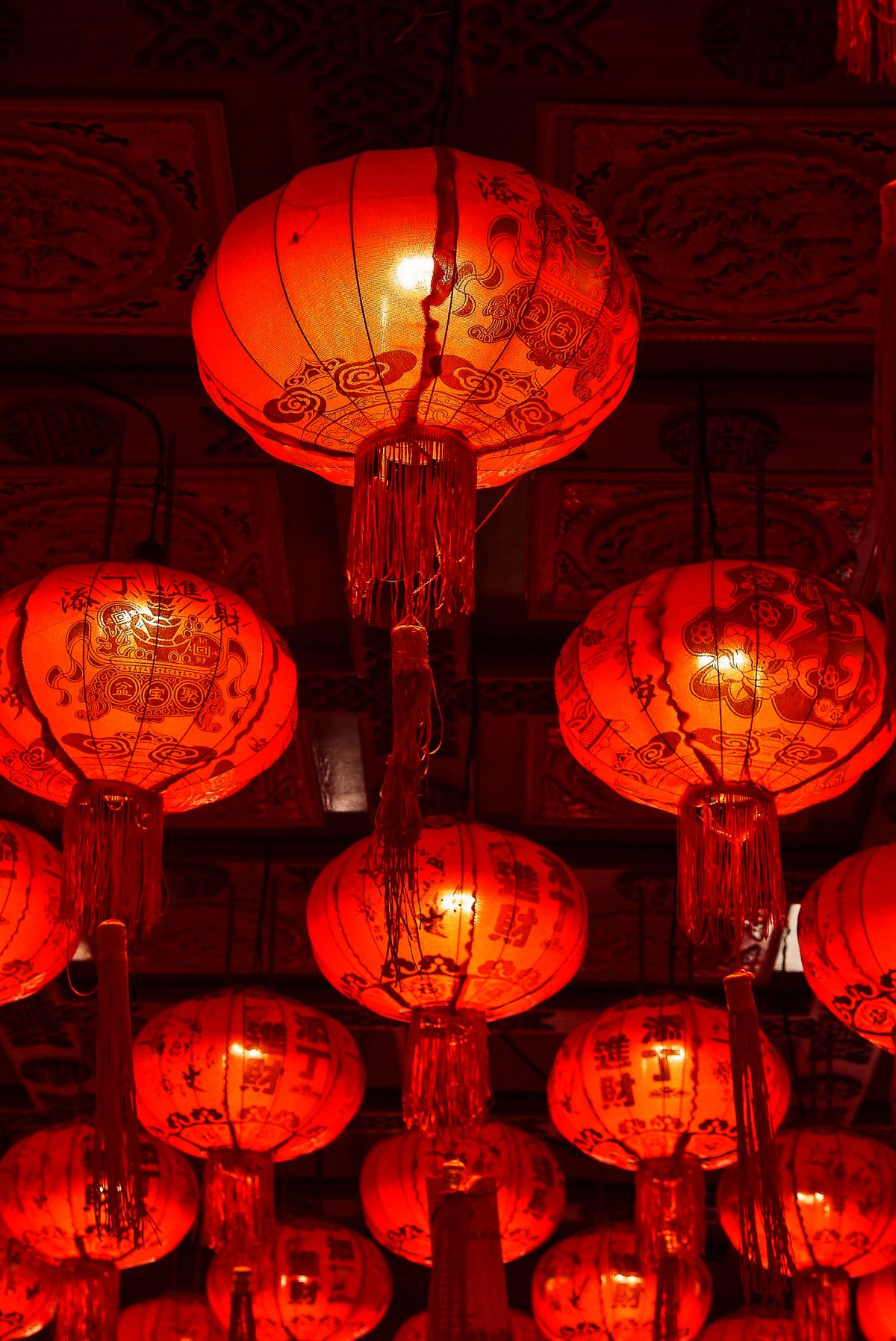
If you visit Cheung Chau during the festival, the energy is unlike anywhere else in Hong Kong. The whole island goes vegetarian for three days as part of the religious observance — even Cheung Chau's McDonald's famously joins in by serving mushroom burgers instead of beef. Streets are lined with food stalls. The main temple courtyard glows with red lanterns and offerings.
The two showpieces are the Piu Sik (飄色) Parade and the Bun Scrambling Competition (搶包山):
- The Piu Sik Parade — children dressed as gods, folk heroes, and (more recently) political figures and pop-culture characters appear to "float" on top of metal poles disguised inside their costumes. The optical illusion is dazzling. It's one of the most photographed traditions in Hong Kong.
- The Bun Scrambling Competition — held just after midnight at the end of the festival, climbers race up a 14-metre tower covered in lotus-paste-filled buns and grab as many as they can. Higher buns are worth more points, and the lucky ones are believed to bring good fortune for the year ahead.
The 1978 Disaster and the 2005 Revival
For most of the 20th century, the bun scramble was a free-for-all. Villagers climbed barefoot up bamboo towers in a chaotic dash. Then, in 1978, one of the bamboo towers collapsed. More than 100 people were injured, and the colonial government banned the bun scramble. For 26 years, the tradition went dark.
On 15 May 2005, the scramble returned — this time on a steel-framed tower, with only 12 trained climbers selected through preliminary competitions, all wearing safety harnesses. The first modern winner was Kwok Ka-ming, who edged out runner-up Yau Hung-ming by 30 marks. In 2007, organisers replaced the real lotus-paste buns on the climbing tower with plastic replicas for hygiene reasons. The "real" buns, meanwhile, are still distributed to islanders and visitors as blessings.
Why Cantonese People Around the World Still Care
The Cheung Chau Bun Festival is a beautiful example of the Cantonese instinct to keep traditions alive without freezing them in amber. The festival has been adapted, regulated, and turned into a tourist draw. But the core of it — the offering to Pak Tai, the communal vegetarian days, the Piu Sik kids being lifted into the sky — is still organised by Cheung Chau locals, for Cheung Chau locals.
For the Cantonese diaspora, that matters. Festivals like this remind us that Cantonese culture isn't only food and films and language — it's also bun towers, lion dances, and the strange specific pleasure of children dressed as Tin Hau being carried through the lanes. It's the texture of a culture that learned how to laugh through misfortune.
Planning a Visit
Ferries to Cheung Chau leave from Central Pier 5 and take roughly 35–55 minutes depending on whether you take the fast ferry or the ordinary one. During the festival, expect huge crowds on ferries — the locals' tip is to come in the late afternoon, eat your way through the food stalls, and stay for the midnight bun scramble. Beyond the festival, the island is famous for its curry fish balls, mango mochi, and freshly grilled squid — easy reasons to come back any weekend of the year.
A Festival That Refuses to Die Out
In a Hong Kong that often feels like it's racing into the future, the Cheung Chau Bun Festival is the rare event that bends time. The buns are plastic now. The towers are steel. The climbers wear harnesses. But up on those scaffolds, with the entire island looking up, the same prayer is being made that islanders made centuries ago: protect us, feed us, give us another year. It's one of the most Cantonese things you'll ever see.
📖 Related Articles
👉 Shop Cantonese Guy — Modern Streetwear for the Global Cantonese Community