

Walk into any Hong Kong bakery in the late morning and you'll see them: rows of golden discs cooling on trays, custard trembling in flaky pastry cups, still warm. Locals grab a bag of two or three, hand over ten dollars, and eat one before they've reached the corner. This is dan tat (蛋撻), the egg tart, and it's arguably the most universally beloved food in Hong Kong. Kids eat them after school. Uncles eat them with milk tea. Chris Patten — the last British governor — declared his favourites the best in the world.
But this iconic Cantonese pastry isn't just Cantonese. It's a story of English custard tarts, Guangzhou department stores, and a mid-century Hong Kong bakery that pulled off the greatest custard heist in food history.
Guangzhou, 1927: A Cantonese Chef Reinvents an English Idea
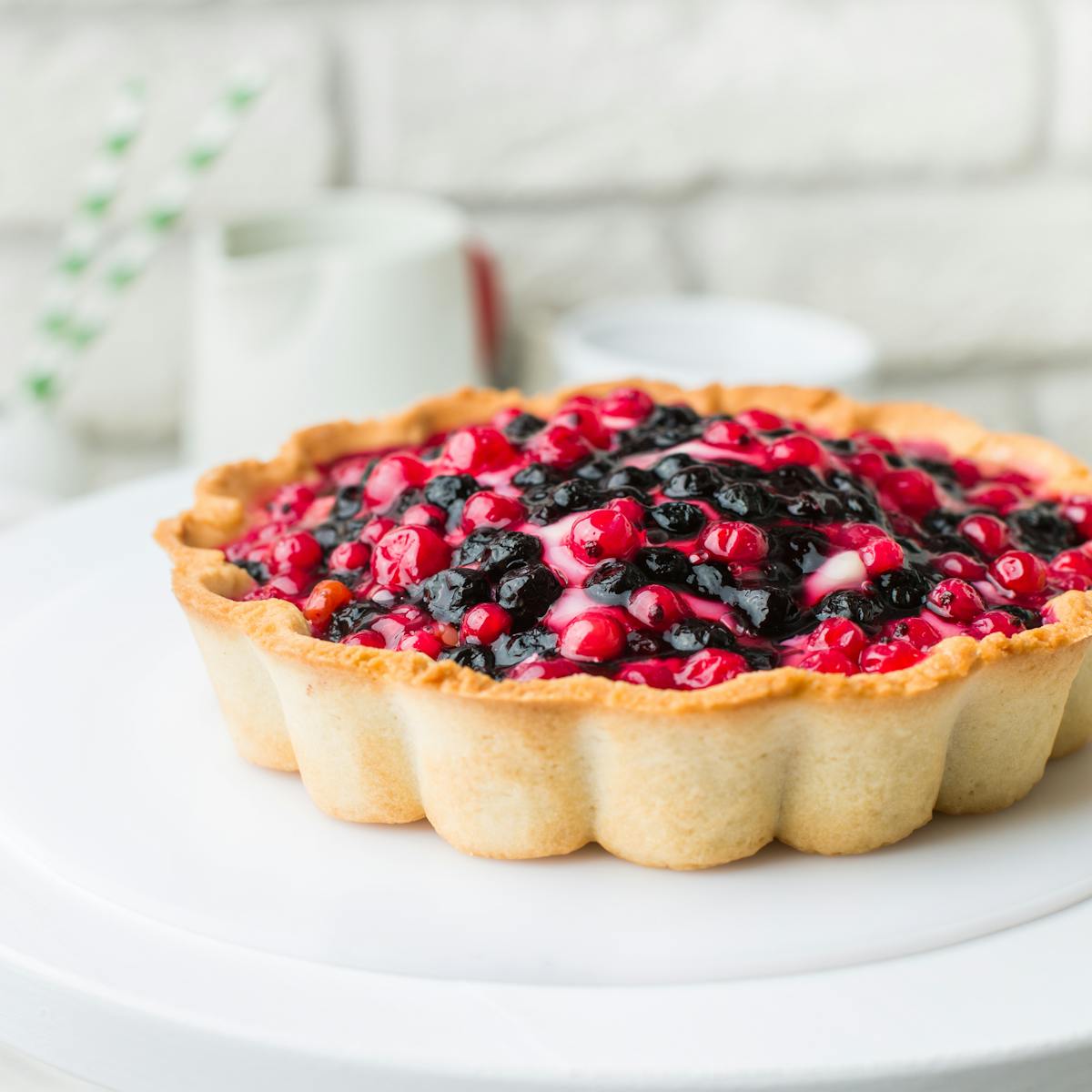
The egg tart didn't start in Hong Kong. It started in Guangzhou (廣州), the port city where Guangdong met the world. In the late 1920s, Cantonese chefs at Guangzhou's Western-style department stores were under pressure to invent new pastries to lure fashionable shoppers. They looked at the English custard tart — a Victorian-era baked dessert with a shortcrust base and set custard — and started tinkering.
Around 1927, one of Guangzhou's landmark restaurants, Zhen Guang Restaurant (真光酒樓), is credited with popularising an early version very close to what Cantonese speakers eat today. It was smaller, silkier, less sweet than the English original. The Cantonese instinct — balance, not excess — was at work.
The Migration South: Egg Tarts Come to Hong Kong
Egg tarts arrived in Hong Kong in the 1940s, following the flow of Cantonese chefs, refugees and Guangzhou-trained bakers moving south. At first, they were a luxury — sold in high-end Western-style restaurants and department stores. Ordinary Hongkongers ate them only on special occasions.
That changed in the 1960s, when the cha chaan teng — Hong Kong's uniquely local diner — started making them. Suddenly egg tarts were affordable, everywhere, and served alongside a cup of silk-stocking milk tea. The dan tat stopped being a treat and became a daily fixture of Hong Kong life, right alongside the pineapple bun and the Hong Kong French toast.
Two Crusts, Two Camps
Ask any Hongkonger about egg tarts and you'll get an opinion — because there are two schools, and people are loyal.
The flaky puff pastry crust (酥皮) is the older, more Western-influenced style. Layers of shattering pastry give way to a bright yellow custard. Traditionalists swear by it.
The shortbread crust (曲奇皮) is a mid-century Hong Kong invention — buttery, cookie-like, sturdier. And it has an origin story that comes back to one very specific man: Au Yeung, master baker of Tai Cheong Bakery.
Tai Cheong Bakery: The Dan Tat Kings of Central
Tai Cheong Bakery (泰昌餅家) opened in 1954 on Lyndhurst Terrace in Central. It was originally run by Au Yeung's uncle, and when Au Yeung took over, he began experimenting. Drawing on techniques from his earlier work in hotel bakeries, he pioneered the shortbread cookie crust that made Tai Cheong famous. His egg tarts became a Central institution.
Then, in the 1990s, the shop got a very unusual regular customer: Chris Patten, the last British governor of Hong Kong. He would stop by Lyndhurst Terrace personally, buy a bag of Tai Cheong's tarts, and eat them straight from the paper. He famously called them "the best egg tarts in the world." The bakery has been riding that endorsement ever since — they even have a signature 肥彭蛋撻 ("Fat Patten Egg Tart") on the menu.
The Anatomy of a Perfect Egg Tart
A great Hong Kong egg tart is not a difficult idea — which is exactly why it's so hard to nail. The custard should be smooth as porcelain, no ripples, no wrinkles. The colour should be an even gold, no dark spots from over-baking. The pastry should shatter cleanly, releasing tiny puffs of butter into the air. And critically, it should be eaten warm — hot enough that the custard just holds its shape.
Bakers time production so that fresh trays come out every hour. Regulars know the schedule. If you walk into Hoover Cake Shop in Kowloon City or Honolulu Coffee Shop in Wan Chai at 11am, you might catch a rush timed exactly to the oven bells.
A Cantonese Word to Know
蛋撻
daan6-2 taat1 — Jyutping romanisation
Meaning: Egg tart. Literally "egg" (蛋) + "tart" (撻) — the second character is a Cantonese phonetic borrowing of the English "tart."
Explanation: One of the most beautiful examples of Cantonese loanword construction. The English word "tart" arrived through colonial trade and Cantonese speakers wrote it phonetically with a brand new character. Today 蛋撻 is universal shorthand.
A Small Cup of Cantonese History
The egg tart is a Cantonese story in miniature. English custard, Guangzhou reinvention, Hong Kong perfection, colonial-governor endorsement, global fandom. It travelled from Victorian tea shops to Guangzhou department stores to Kowloon bakeries to the world. And every time a Cantonese speaker anywhere hands over ten dollars for a warm one, they're eating a hundred years of migration and adaptation.
📖 Related Articles
👉 Shop Cantonese Guy — Modern Streetwear for the Global Cantonese Community