

Walk through Causeway Bay on a Wednesday night and you'll notice something unusual for a global finance city: the pubs are packed, the streets crackle with a specific kind of energy, and half of Hong Kong is talking about a horse called something like Lucky Dragon or Winning Charm. This is 賽馬 (coi3 maa5) night at Happy Valley Racecourse — the weekly Cantonese ritual where a British colonial pastime became one of the most Hong Kong things a person can do.
Horse racing in Hong Kong isn't really about horses. It is about a whole city's relationship with luck, money, community, and — improbably — charity. The Hong Kong Jockey Club is the single largest taxpayer in the city and one of the world's largest charitable donors. The hospital your grandmother was born in, the university you almost got into, the park your cousins get married in — chances are horse racing helped build all of them.
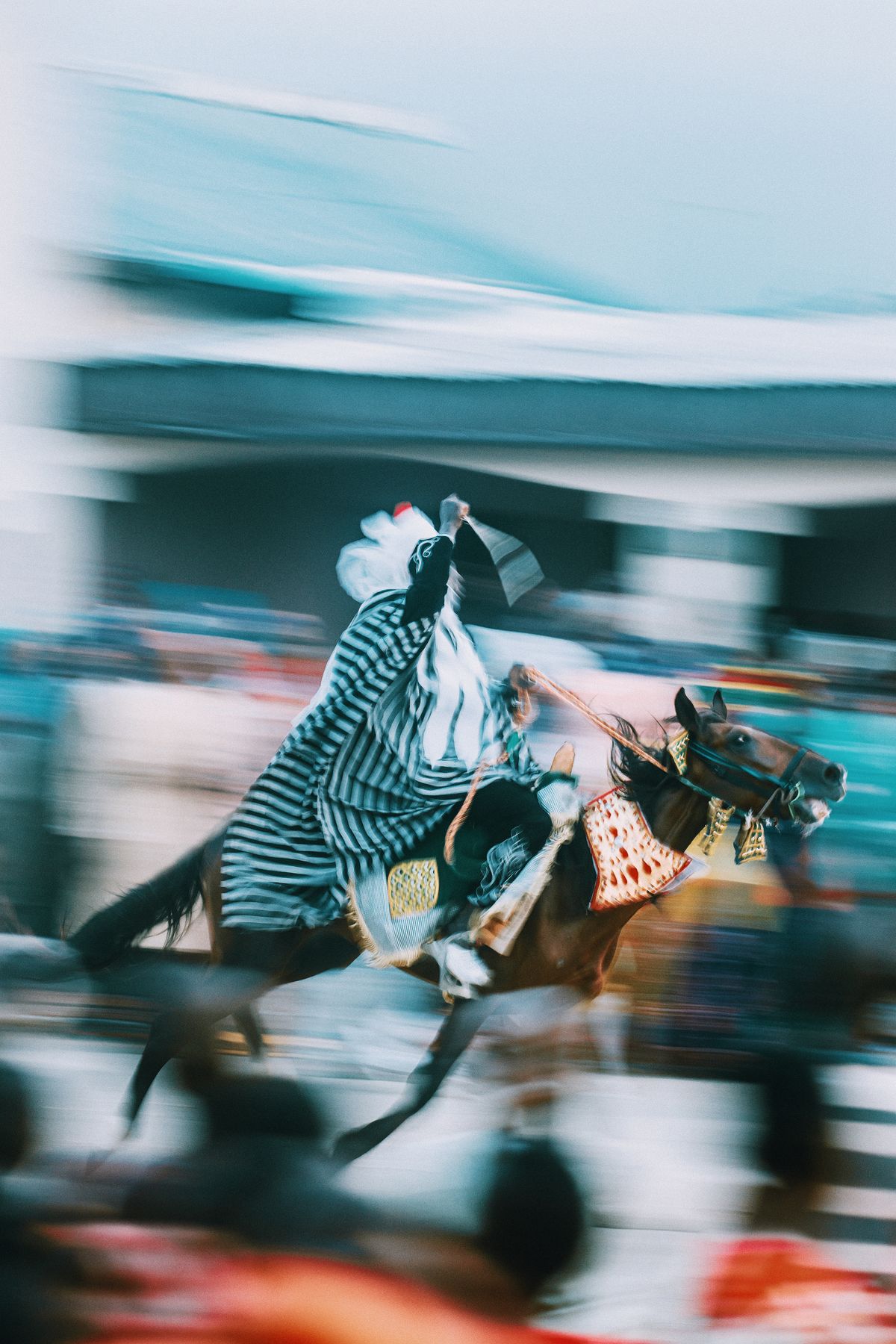
A Racecourse Built on a Swamp in 1845
Happy Valley Racecourse held its first race in 1845 — just four years after the British acquired Hong Kong Island. The site was a mosquito-ridden swamp on the edge of the young colony, close enough to the harbour to be convenient and far enough from Central to give it its own life. British soldiers, traders, and colonial officials made up the first crowds. Cantonese Hong Kong stayed on the margins.
That started to change with the founding of the Hong Kong Jockey Club in 1884. Over the next century, racing at Happy Valley slowly stopped being a colonial-only pastime. By the 1970s, Cantonese trainers, jockeys, punters, and race-day rituals had claimed the sport as their own — to the point where the modern industry is unmistakably Cantonese in every meaningful way.
Sha Tin, and the Sport Goes City-Wide
In 1978, the Jockey Club opened Sha Tin Racecourse in the New Territories — a vastly bigger venue capable of holding around 80,000 spectators, compared to Happy Valley's roughly 55,000. Sha Tin became the club's Saturday flagship, hosting most of Hong Kong's biggest international races. Happy Valley kept its Wednesday-night role as the more intimate, downtown, floodlit ritual for city dwellers. Together, the two racecourses host over 800 races a year, including 12 international Group 1 races.
The Charity Machine Nobody Notices
Here is where Hong Kong racing gets uniquely Cantonese. The Hong Kong Jockey Club operates as a non-profit. After paying prize money, staff wages, and its enormous tax bill, all remaining surplus flows into the Jockey Club Charities Trust — one of the largest philanthropic organisations in the world. Ocean Park, HKUST (Hong Kong University of Science and Technology), the Hong Kong Stadium, Victoria Park's renovations, thousands of community and elderly-care projects — all funded, at least in part, by Wednesday-night bets on horses called things like Beauty Live Forever.
This is the Cantonese sleight-of-hand that outsiders never quite grasp: for many locals, going to the races is not gambling. It is a civic act. Every dollar you lose on race night eventually shows up as a new hospital wing, a covered playground, a Chinese-medicine clinic in the New Territories.
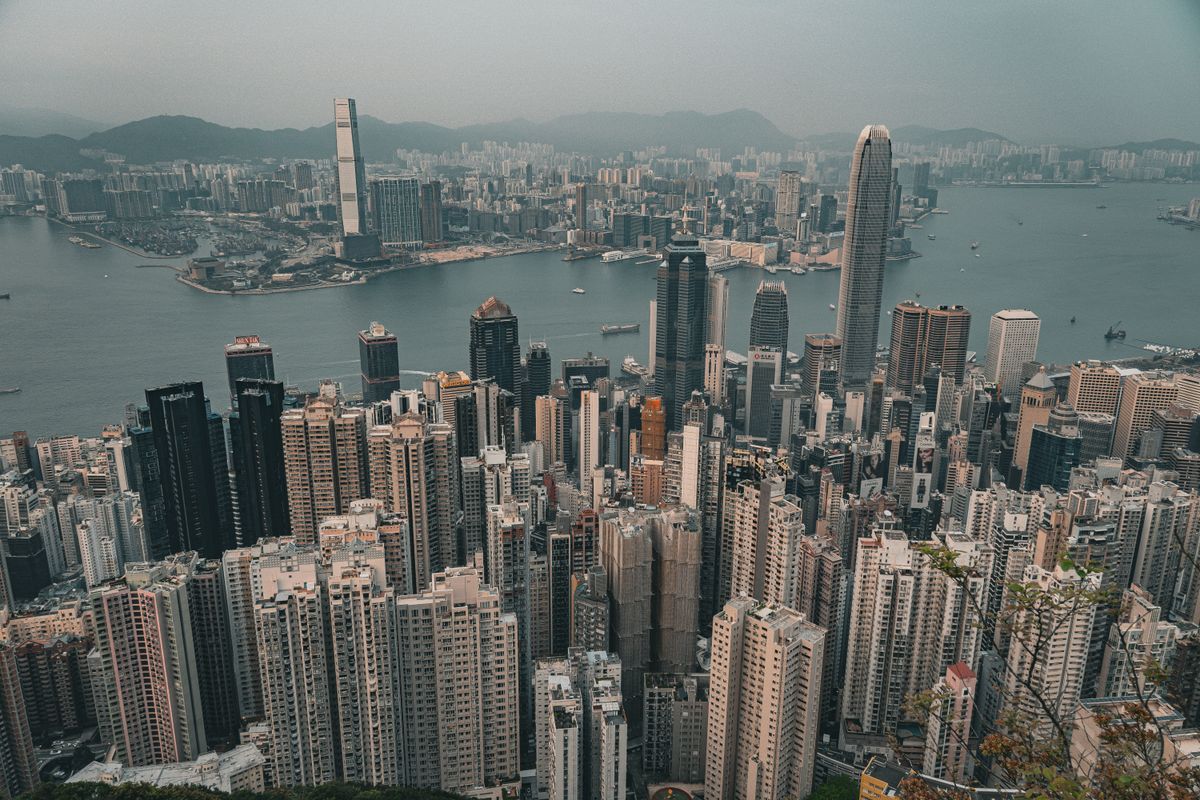
The Rituals of a Cantonese Race Night
A proper Cantonese race night has its own choreography. You arrive at Happy Valley MTR just before the first race. You buy a Beer Garden ticket and a paper race guide. You study the form as if it were a school subject you're trying not to fail. You call an uncle for a tip you will half-follow and half-ignore. You place a small bet, then a slightly less small bet, then — by the sixth race — you have appointed yourself the family's designated race consultant for next week too.
Language shapes the whole ritual. Betting slang is a subculture unto itself. Winning is 中 (zung3, "to hit"). Losing hard is 黃 (wong4, "gone yellow"). A sure-thing horse is a 神馹 (san4 keoi1, "holy steed"). You will overhear all of it if you stand near a Cantonese uncle within earshot of any TV showing the race.
Learn the Words of the Track
賽馬
coi3 maa5 — Jyutping romanisation
Meaning: Horse racing.
Explanation: Literally "race + horse." In Hong Kong, the word carries a whole culture: Wednesday evenings, Sha Tin Saturdays, uncles arguing over form guides, the roar when the field turns the final bend at Happy Valley.
Why It's So Cantonese
You can be a Hong Kong person who has never placed a bet in your life and still feel Happy Valley in your bones. It is the sound your neighbourhood makes on a Wednesday night. It is the reason a specific corner of Causeway Bay smells like fried squid on race evenings. It is the model — uniquely Cantonese — where a colonial sport got quietly re-engineered into a public-good machine that pays for a chunk of the city's civic infrastructure.
Cantonese Hong Kong has a talent for taking imported things and making them entirely local. Milk tea became silk-stocking milk tea. French toast became sai do si. And a British horse race became a citywide charity engine dressed up as Wednesday-night entertainment. That is the Cantonese superpower: quietly turning everything that walks in the door into something the whole community can claim.
For more on the Cantonese neighbourhoods and rituals that shape Hong Kong life, read our stories on Mong Kok, the cha chaan teng, and Kowloon Walled City.
📖 Related Articles
- Mong Kok: Inside the World's Densest Neighbourhood — Hong Kong's Cantonese Beating Heart
- Cha Chaan Teng: How the Bing Sutt Became Hong Kong's Most Cantonese Diner
- Kowloon Walled City: Inside the Ungovernable Cantonese City That Vanished in 1994
- Ding Ding: How Hong Kong's Trams Survived 120 Years and Became the City's Beating Heart
👉 Shop Cantonese Guy — Modern Streetwear for the Global Cantonese Community