

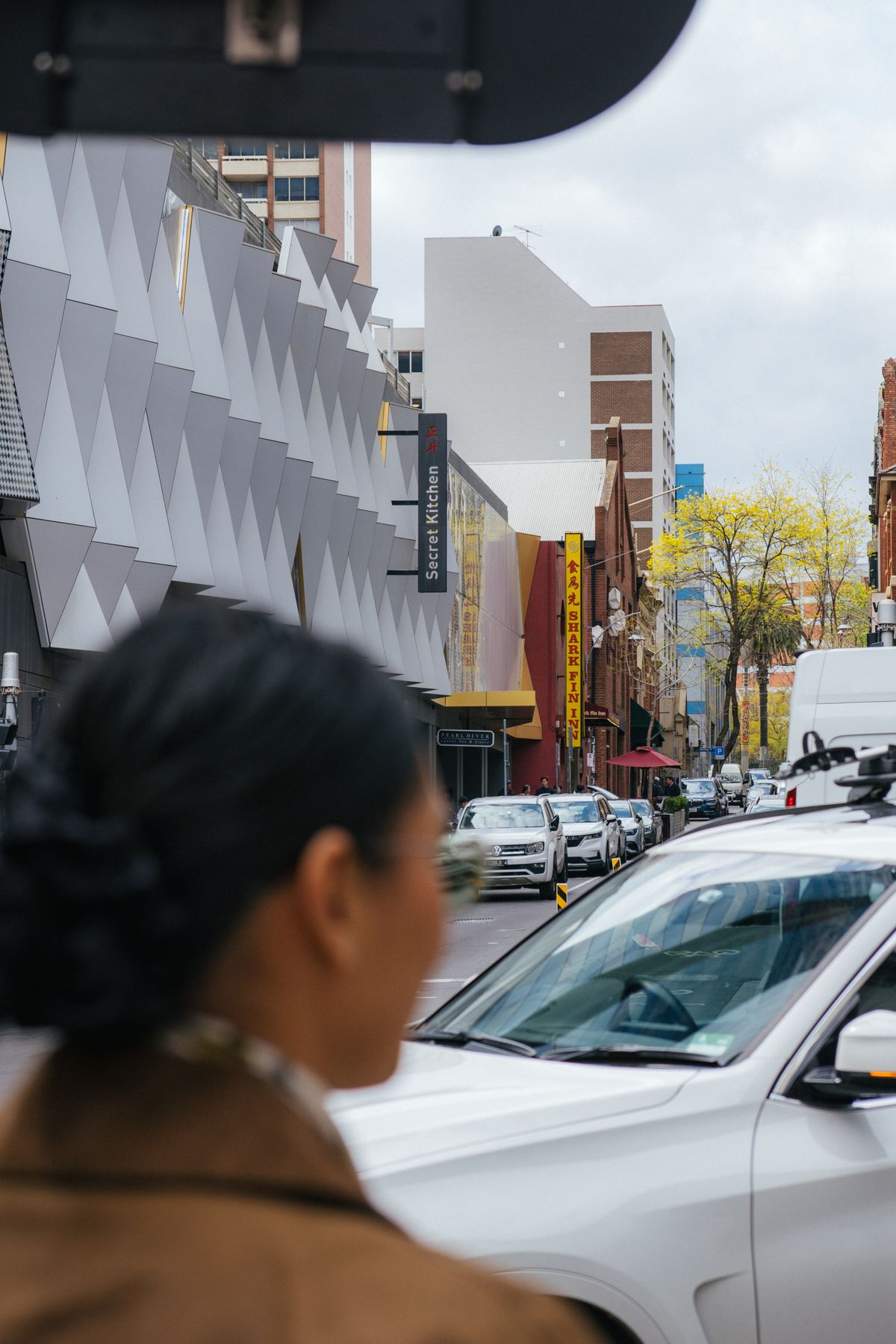
Walk down Little Bourke Street in Melbourne on any weekend evening and the first thing you hear is Cantonese. Not Mandarin, not Australian English — Cantonese, floating out of the roast meat shops, the herbalists, the yum cha halls with the paint peeling on the ceiling. That soundtrack has been running on that same block since 1854, which makes Melbourne's Chinatown the longest continuously operating Chinese settlement anywhere in the Western world. And the community that built it was, and still is, overwhelmingly Cantonese.
"New Gold Mountain" and the Sze Yap villages that came
Gold was discovered near Ballarat in 1851, and Cantonese villagers from the Sze Yap region (四邑) — Toisan (台山), Sunwui (新會), Hoiping (開平), and Yanping (恩平) — heard about it within weeks. They already called California "Old Gold Mountain" (舊金山); they now called Victoria the "New Gold Mountain" (新金山, san1 gam1 saan1). Ships loaded with young men set sail from Hong Kong and Guangzhou, and by 1855 tens of thousands of Cantonese diggers had arrived. Melbourne was the last stop before the goldfields, and Little Bourke Street was where they stocked up on rice, salted fish, medicine, and translated news from home.
Why it stayed after the gold ran out
Most gold-rush Chinatowns didn't last — the men followed the gold, then went home. Melbourne's stuck because the Cantonese who stayed pivoted from mining to trades: cabinet-makers on Little Bourke, herbal medicine shops on Heffernan Lane, fruit-and-vegetable importers who supplied the city's grocers, and eventually a strong restaurant culture that fed both the community and curious white Melburnians. By the 1870s Little Bourke Street was a permanent Cantonese neighbourhood, not a stopover. Unlike Sydney's Chinatown, which shifted location multiple times, Melbourne's has never moved.
Surviving the White Australia Policy
The Immigration Restriction Act of 1901 — the legislative core of what became known as the White Australia Policy — was designed, in part, to shut Chinese people out of the country. The Cantonese population of Melbourne dropped sharply through the early twentieth century. But the Chinatown block itself held on, sustained by families that had been there long enough to raise Australian-born children, by the Chinese temples the community had built on Little Bourke Street, and by a fierce sense that this piece of ground was theirs. When the policy was fully dismantled by the 1970s and Hong Kong migration picked up again, Chinatown had already survived seventy years of hostility and was ready to grow again.
The 1970s and 80s Hong Kong wave
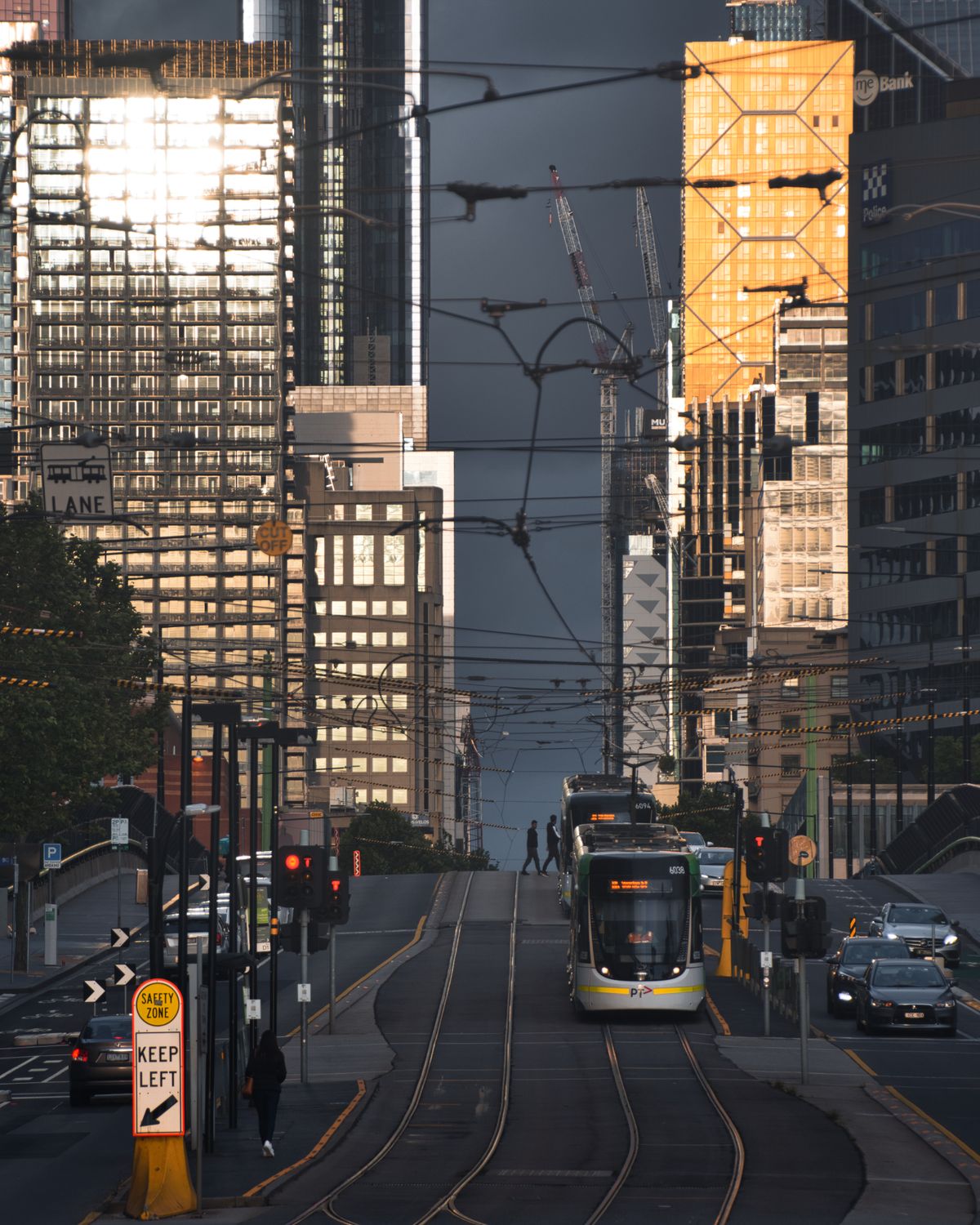
The end of the White Australia Policy in 1973 opened the door to a new wave of migration from Hong Kong, and Melbourne became one of the preferred destinations. This second wave brought BBQ meat shops, cha chaan teng-style diners, dim sum restaurants that could seat 400, and Cantopop tapes stacked in every corner shop window. The 1997 handover of Hong Kong accelerated the trend, and by the mid-2000s Melbourne had one of the largest Hong Kong-origin communities in the southern hemisphere. Suburbs like Box Hill, Glen Waverley, and Doncaster became satellite Cantonese neighbourhoods, and Little Bourke Street evolved into the historical anchor and cultural showpiece.
The Chinese Museum and the paifang gates
The Chinese Museum on Cohen Place, opened in 1985, is the community's memory bank — an archive of Chinese Australia going back to 1851, with exhibits on the goldfields, the market gardens, and Melbourne's dragon parade tradition. The city's Millennium Dai Loong (大龍), commissioned from Foshan in 2002 and paraded every Chinese New Year, is widely cited as the world's largest processional dragon, with a head alone weighing around 200 kilograms. The traditional paifang gates that arch across the entrances to Chinatown were constructed from the 1960s onwards — an initiative championed by Chinatown councillor David Wang — with the elaborate Cohen Place archway later hand-crafted in China and reassembled on-site by Chinese artisans. They mark Chinatown the way San Francisco's Dragon Gate marks Grant Avenue.
Where to actually eat and shop
Little Bourke Street between Swanston and Spring is still where Cantonese Melbourne concentrates. Old-guard yum cha rooms in the upstairs restaurants; roast meat shops with the ducks hanging in the window on Russell Street; herbalists on Heffernan Lane selling dried tangerine peel and cordyceps; bakeries turning out fresh bo lo bao and egg tarts. If you want the community that built it, come at Chinese New Year — the Dai Loong dragon comes out, the street fills with fireworks, and older aunties speak Toisan-accented Cantonese loud enough for the whole city to hear.
Why Melbourne matters to the Cantonese diaspora
Melbourne's Chinatown is proof that Cantonese migration to the Western world isn't a twentieth-century story — it's a nineteenth-century one, older than most of the buildings around it. The Cantonese who arrived in 1854 with a shoulder pole and a bag of rice built a neighbourhood that outlasted them by six generations. That's the thread that ties Melbourne to Toronto, to San Francisco, to Vancouver, and to London: the same Sze Yap villages, the same restlessness, the same instinct to build a Cantonese street corner wherever they landed. Little Bourke is just the oldest continuous piece of that thread anyone kept.
📖 Related Articles
- Sydney Chinatown (雪梨華埠): How Gold-Rush Cantonese Migrants Built Australia's Largest Chinese Neighbourhood
- San Francisco Chinatown (舊金山華埠): How Toisan Migrants Built North America's Oldest Cantonese Neighbourhood
- Toronto Chinatown (多倫多華埠): How Guangdong Migrants Built Canada's Loudest Cantonese Neighbourhood
👉 Shop Cantonese Guy — Modern Streetwear for the Global Cantonese Community