

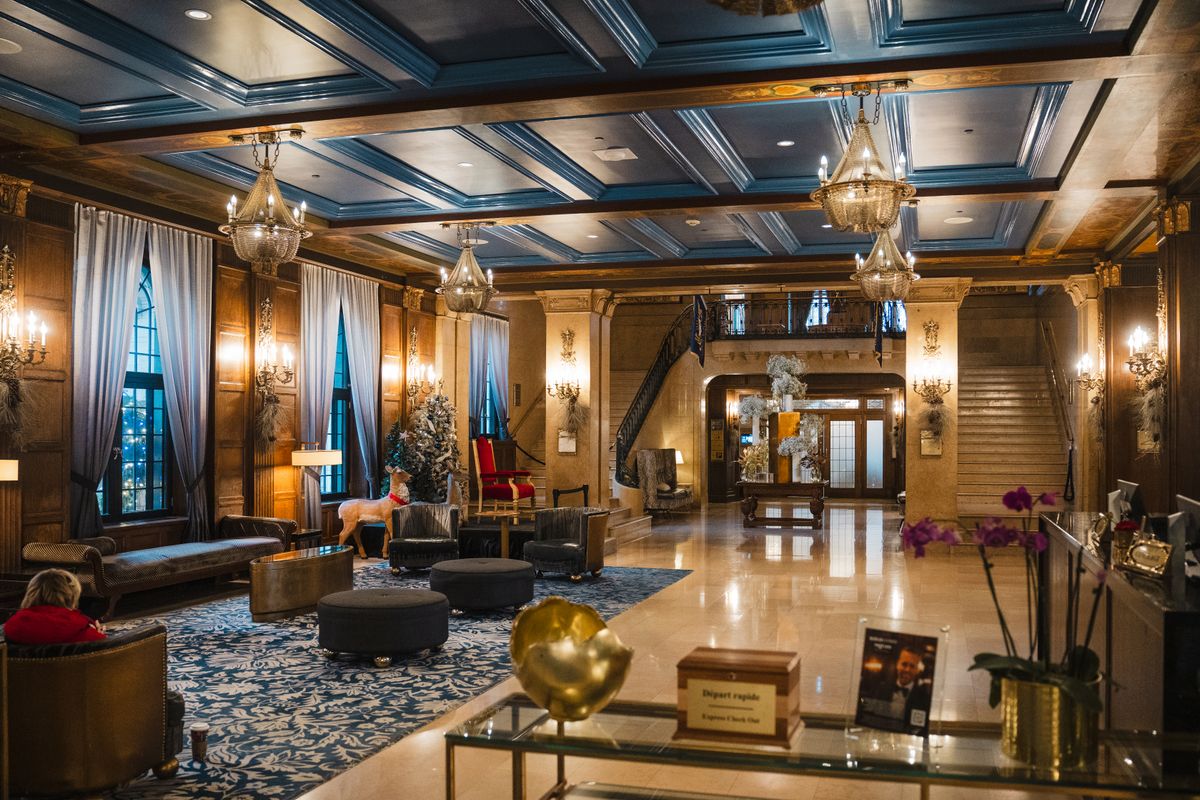
On 11 December 1928, a low white palace of a building opened at the tip of Kowloon peninsula, facing across Victoria Harbour towards Hong Kong Island. It was billed by its owners as "the finest hotel east of the Suez." For nearly a century since, generations of travellers have stepped off ocean liners, trans-Siberian trains, Cathay Pacific 747s, and now Cathay Airbus A350s, and been driven — traditionally in a fleet of Peninsula-green Rolls-Royces — through the doors of The Peninsula Hong Kong. Locals just call her "The Pen."
She turns 98 in December 2026. Very few hotels anywhere still occupy their original building. Even fewer are still run by the same family who built them. The Peninsula is both.
The Kadoorie Family and the Grand Idea
The Peninsula was founded by brothers Ellis and Elly Kadoorie, part of the Sephardi Jewish Kadoorie family who had migrated from Baghdad to Bombay to Shanghai to Hong Kong across generations. By the 1920s they were among the wealthiest merchant families in East Asia. Their bet on Kowloon in the mid-1920s was audacious: build a five-star hotel on the sleepy Kowloon side of the harbour, right across from the Kowloon-Canton Railway terminus and the ocean-liner quays at Tsim Sha Tsui.
The gamble paid off almost instantly. When the Peninsula opened, transcontinental travel meant days at sea and weeks on trains; passengers arriving in Hong Kong needed a grand hotel worthy of the effort. Kowloon transformed from a backwater into a social hub practically overnight. The Peninsula was the last stop on the Trans-Siberian Railway route from Europe and the first taste of luxury for travellers coming east from India and Africa.
The Green Rolls-Royces
The Peninsula took delivery of its first Rolls-Royce Silver Shadows in the 1970s to shuttle guests around Hong Kong. In 2006, the hotel placed what was, at the time, the largest single Rolls-Royce order in the marque's history: 14 extended-wheelbase Phantoms, all finished in a custom dark green now formally known as "Peninsula Green" (technically Brewster Green, updated with hand-polished wheel centres bearing the hotel's crest).
In May 2025 the hotel welcomed a new fleet of six bespoke Phantoms, keeping the tradition rolling into its sixth decade. If you've ever seen a fleet of glossy dark-green Rollers gliding through Tsim Sha Tsui and wondered where they were from, you were looking at the Peninsula's fleet. That specific shade of green is part of the hotel's brand identity even more than its logo.
War, Occupation and Resurrection
During the Japanese occupation of Hong Kong (1941–1945), the Peninsula was seized and renamed the Toa Hotel, serving as the headquarters of the Japanese command. The building survived largely intact. When Britain regained control in 1945, the Kadoories — who had themselves been detained during the war — returned and helped transform the hotel back into a symbol of Hong Kong's recovery. The Kadoorie family also played a role in helping settle Jewish refugees who had fled to Hong Kong during and after the war.
Through the post-war decades, the Peninsula was where Hong Kong stitched itself back together. It's where visiting royals stayed, where deals were signed in the Lobby over afternoon tea, where Hollywood shot scenes for movies (including memorable turns in Bond films), and where Cantonese business families held wedding banquets that could seat a thousand people at once.
The Afternoon Tea Ritual
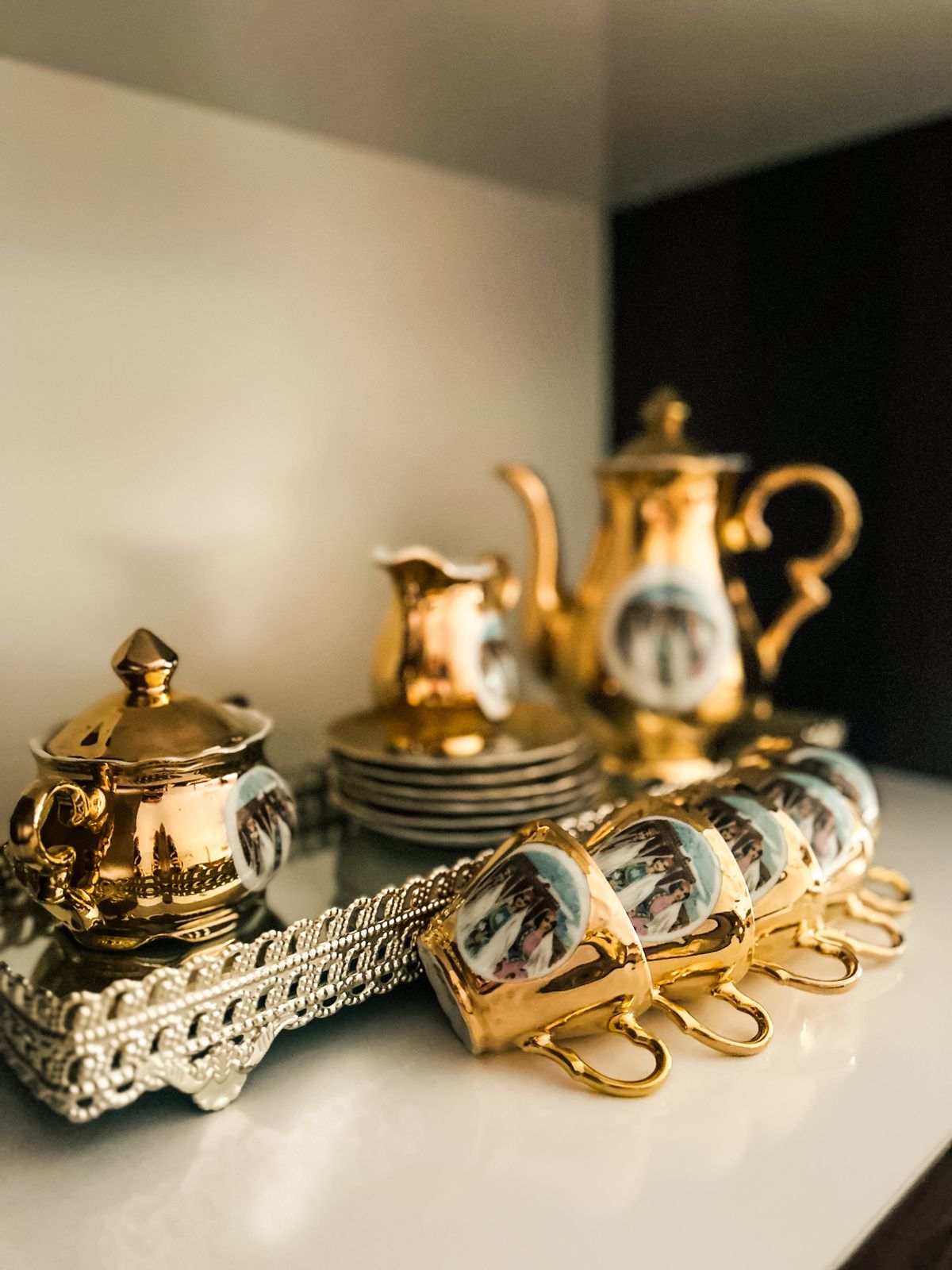
The single most Peninsula-specific ritual in Hong Kong is afternoon tea in The Lobby. Under the ornate white plasterwork ceiling, a string quartet plays on the mezzanine, and three-tiered silver stands arrive filled with finger sandwiches, scones with clotted cream, and pastries. Locals will queue for over an hour on weekends for the privilege. It is a colonial-era ritual, Cantonese-adapted — the tea is served with milk in the Hong Kong style, and the pastries lean lighter and less sweet than a strict English tea would use. It's a public space that manages to feel intimate, and it's the single easiest way for a non-guest to touch the Peninsula's history.
The Peninsula as Cantonese Cultural Landmark
It's easy to file the Peninsula under "colonial-era luxury hotel" and leave it there. But that misses what makes the building so genuinely part of Cantonese Hong Kong. The staff — doormen, bellmen, tea servers, drivers — have been Cantonese for four generations. The hospitality style, meticulous and quietly hovering, is a direct descendant of the Cantonese banquet tradition where anticipating a guest's need before they ask it is the mark of a professional. The dim sum at Spring Moon, one of the hotel's Cantonese restaurants, is regularly cited among the best in Hong Kong — a serious claim in a city that takes har gow more seriously than most countries take their national dish.
The Peninsula also sits inside Kowloon's storied Golden Mile — Nathan Road — alongside the neon-lit streets, the tailors, the wet markets and the small teahouses that have defined Kowloon Cantonese life for decades. Its rooftop helipad and 30th-floor Felix bar look out over the same Victoria Harbour that the Star Ferry has been crossing for 138 years. To arrive at the Peninsula is to arrive at a specific coordinate in Hong Kong's history — not just a hotel.
The Cantonese Word For The Peninsula
半島酒店
bun3 dou2 zau2 dim3 — Jyutping romanisation
Meaning: "Peninsula Hotel" — the direct Cantonese name for The Peninsula, referring to the Kowloon peninsula the hotel sits on.
Explanation: 半島 (bun3 dou2) literally means "half island" — Chinese for peninsula. 酒店 (zau2 dim3) literally means "wine shop" and is the standard Cantonese word for a hotel, dating from when inns and taverns were the same establishment. In casual speech, Hongkongers often just say 「The Pen」 or 「半島」.
The Grand Old Lady, Still Standing
Hong Kong tears buildings down. It's a city with a famously restless relationship to its own past — old cinemas become malls, old wet markets become residential towers, old teahouses close within a generation. The Peninsula standing on Salisbury Road for 98 years and counting is, in that context, a small miracle. She is the Grande Dame of Hong Kong hotels, the ghost of the ocean-liner era, and the physical reminder that Cantonese hospitality — quietly attentive, generously fed, aesthetically confident — can hold its own against any hotel tradition in the world. When the fleet of green Rollers pulls up outside on a Kowloon evening, that's not colonial nostalgia. That's Hong Kong being exactly what Hong Kong has always been best at: hosting the world without losing itself.
📖 Related Articles
👉 Shop Cantonese Guy — Modern Streetwear for the Global Cantonese Community