

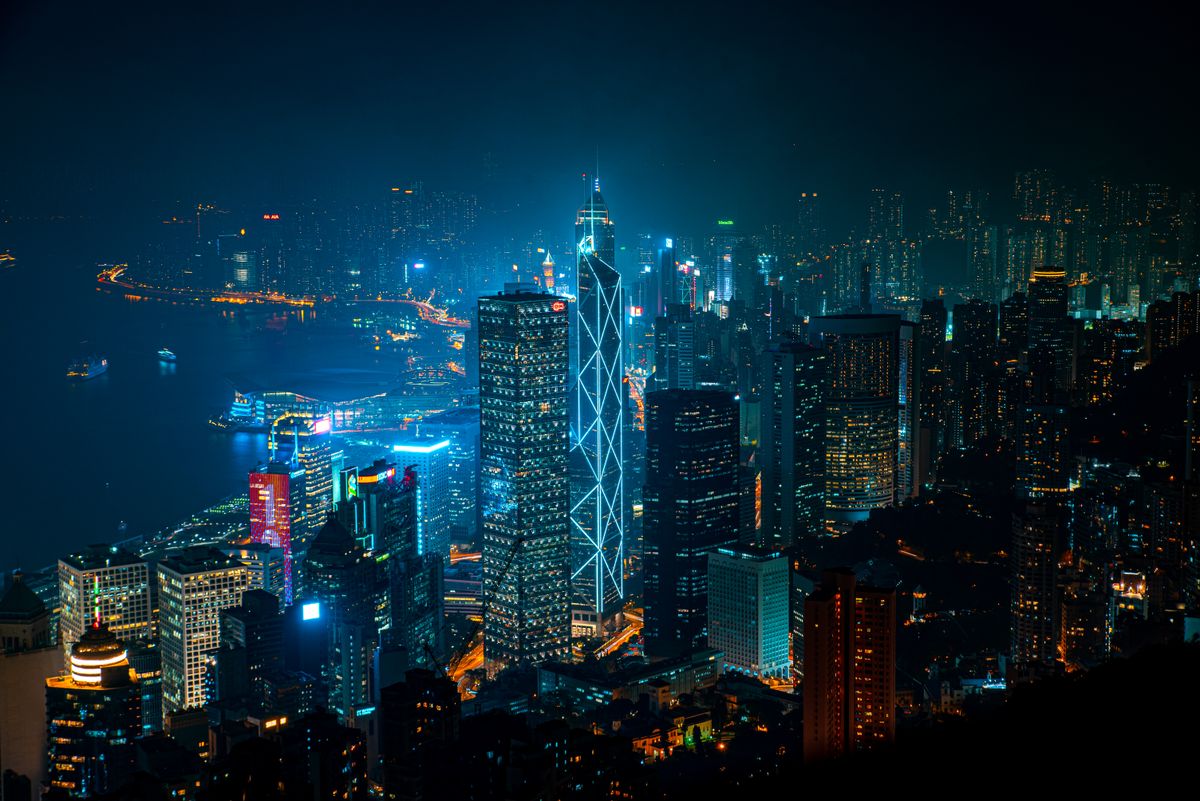
If Central is Hong Kong's glass-and-marble face, Sham Shui Po (深水埗) is the city's working-class heart still beating hard. It's the district where Cantonese aunties argue over vegetable prices at 7am, where fabric wholesalers unroll jacquard by the metre onto folding tables, and where a bowl of noodles still costs the price of a coffee anywhere else. Nowhere else in Hong Kong feels this Cantonese, this unfiltered, this alive.
A Neighborhood Built by Waves of Migrants
Sham Shui Po was first developed in the late 19th century, just before the British leased the New Territories in 1898. What transformed it from a fishing settlement into a proper urban district was people — waves and waves of them. Refugees fleeing the Chinese Civil War after 1945 poured into Kowloon looking for work, cheap rent, and a corner to sleep. Sham Shui Po had all three.
These new arrivals were mostly Cantonese-speaking families from Guangdong. They brought with them accents, dialect words, family recipes, and a willingness to grind. The district absorbed them, stacked them into tenement flats, and put them to work. Within a decade, Sham Shui Po was one of the most crowded urban patches on earth.
The Cloth King of Asia
By the 1950s and 60s, Sham Shui Po was the epicentre of Hong Kong's textile boom. Small cottage factories filled every stairwell, every rooftop, every corner shopfront. Sewing machines rattled from morning to midnight, and buttons, zippers, and lace got their own dedicated streets. Hong Kong's clothing exports — the ones that filled American department stores through the 60s and 70s — were largely stitched together right here. The nickname stuck: The Cloth King of Asia.
Even today, walk along Ki Lung Street (基隆街), Yu Chau Street (禹州街), and Nam Cheong Street (南昌街), and you'll still find third-generation shops selling fabric off the bolt — the same way their grandparents did. The district is one of the last places on the planet where a young designer can walk in, point at a fabric roll, and take home a metre for the cost of a bubble tea.
Apliu Street: The Weirdest, Best Market in Hong Kong
If you only visit one street in Sham Shui Po, make it Apliu Street (鴨寮街). It started as a place to hawk used electronics and radios. Today it's a glorious jumble of vintage cameras, obsolete cables, secondhand watches, disassembled speakers, and vinyl records piled next to smartphone chargers. Cantonese uncles negotiate prices with the intensity of stockbrokers.
Nearby, the Golden Computer Arcade (黃金商場) has been the DIY heart of Hong Kong's PC scene since the 1980s. Kids used to skip school to build gaming rigs here. It's still where you'd take a Cantonese teenager to buy their first custom keyboard.
The Cheapest Michelin Stars in the World
Sham Shui Po has more Michelin-recognised food per square kilometre than nearly anywhere in Hong Kong — and none of it is expensive. Kung Wo Beancurd Factory (公和豆品廆) still hand-grinds soy milk the way it did in 1893. Tim Ho Wan (添好運), the world's cheapest Michelin-starred dim sum, started here before it franchised globally. Cantonese roast-meat masters, wonton noodle shops, and dai pai dong stalls line every block.
This is the district where you actually eat like a Hong Konger. Not tourist Hong Kong — real Hong Kong. If you love our writeups on wonton noodle soup and cha chaan teng culture, Sham Shui Po is where those dishes are still cooked at their most honest.
The Density That Broke Records
Sham Shui Po is one of the densest urban neighbourhoods on the planet. It's home to cage homes, subdivided flats, and rows of public housing estates — the reality behind Hong Kong's postcard skyline. Roughly 25% of residents live below the poverty line, and generations of Cantonese-speaking families still share sub-500 sq ft flats with grandparents, kids, and a rice cooker on top of the fridge.
It's also, quietly, a district of dignity. Old men play chess in tiny street corners. Aunties queue at the fresh-tofu shop at 6am. A tailor who's been in the same shop for fifty years will still make you a Cantonese-style qipao if you ask nicely. The Cantonese phrase 接地氣 (zip3 dei6 hei3) — "grounded, in touch with the everyday" — was made for this place.
The New Wave of Sham Shui Po
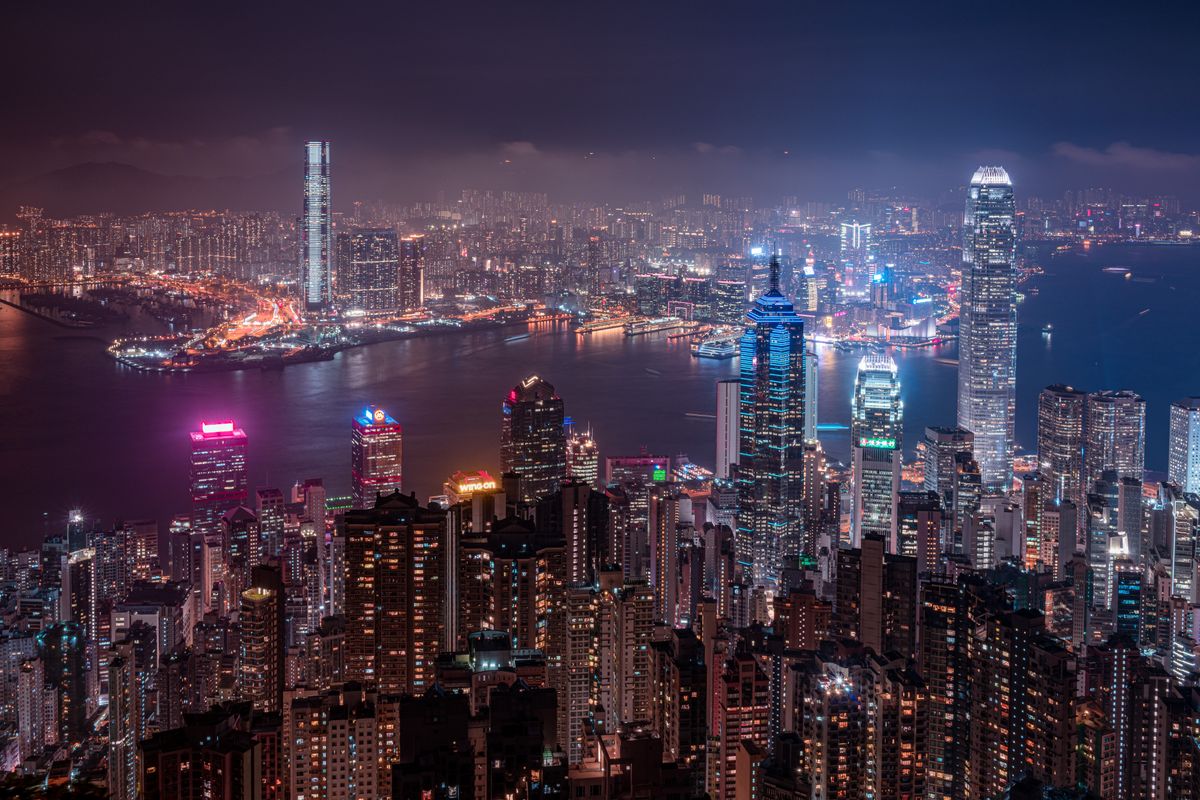
In the last decade, the district has quietly become one of Hong Kong's coolest addresses. Young creatives priced out of Central started opening design studios in old textile warehouses. Independent coffee shops opened next to the fabric wholesalers. A generation of Cantonese-speaking artists, streetwear designers, and photographers now calls Sham Shui Po home — not because it's gentrified, but because it's still real.
The mix works better than it has any right to. On the same block, you can eat a HK$40 roast pork rice from a 1970s shop and then walk into a boutique selling limited-run Cantonese streetwear made two floors above.
Why Sham Shui Po Matters to the Diaspora
For Cantonese families overseas — in Vancouver, San Francisco, London, Sydney — Sham Shui Po is often the memory that hits hardest when they visit Hong Kong. It's the district that hasn't been polished for tourists. The noodle shops smell like the ones your grandma took you to. The uncles still speak the same slang. The old shop signs still hang crooked in the way you remember.
If you want to feel what Cantonese Hong Kong actually is — loud, generous, sweaty, resourceful, and unpretentious — you go to Sham Shui Po. Everything else is optional.
📖 Related Articles
👉 Shop Cantonese Guy — Modern Streetwear for the Global Cantonese Community